Ladakh and the Himalayas
High Tibetan Buddhist plateau at 3,500 metres, accessible June to September, among Indus monasteries, Nubra Valley and Pangong Lake.
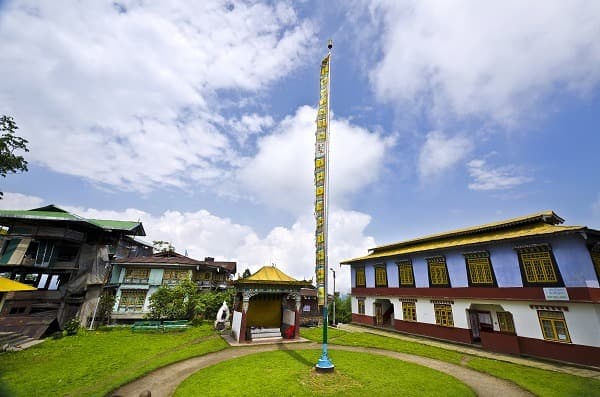
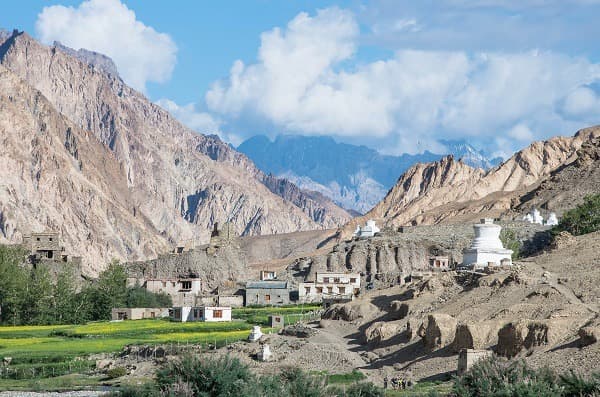
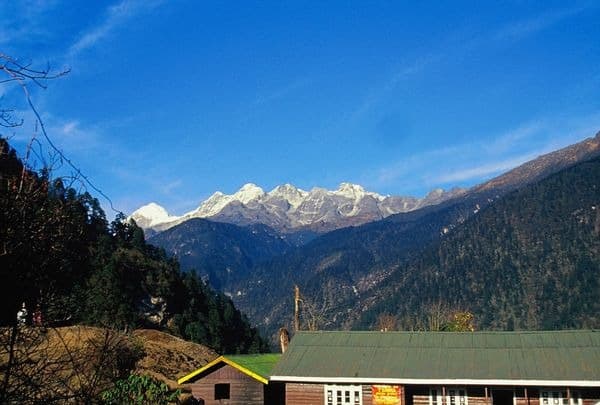
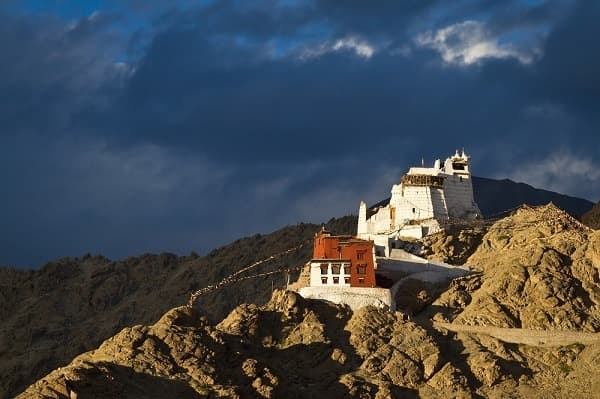
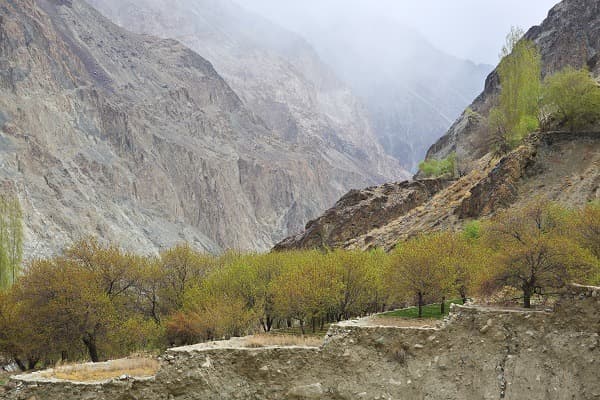
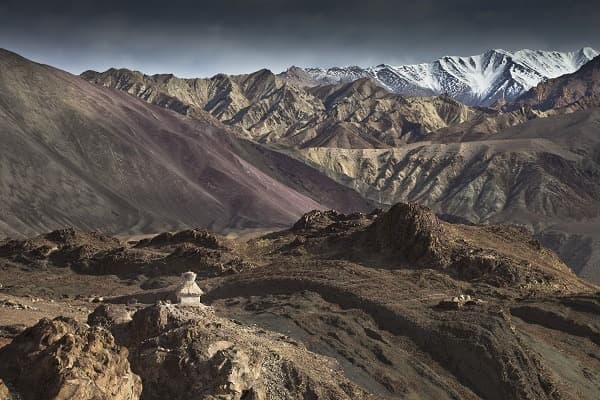
Ladakh occupies India's far north, between the Karakoram Range to the north and the Great Himalayas to the south. It is a high-altitude plateau where Leh, its capital, rises to 3,500 metres. Here the Indus cuts through arid valleys dominated by peaks exceeding 6,000 metres. The region has more in common with Tibet than with the rest of the subcontinent: a Tibetan Buddhist population, the Ladakhi language, monasteries clinging to cliffs (gompas), and architecture of stone and clay whitewashed with lime.
We work this region primarily between June and September, the window when the Manali–Leh and Srinagar–Leh roads are clear of snow and Leh airport operates without chronic cancellations. Outside this period, access is limited to air travel, and several valleys (Nubra, Zanskar) become inaccessible by road. Summer temperatures in Leh swing between 8°C at night and 25°C during the day, but drop sharply once you cross a pass such as Khardung La (5,359 m) or Chang La (5,360 m).
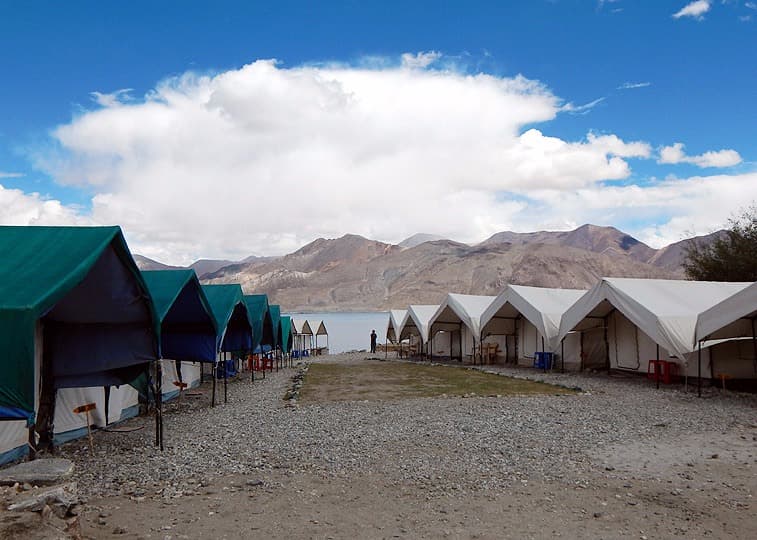
Beyond Leh, three itineraries structure discovery. Nubra Valley, reached via Khardung La, descends toward the dunes of Hunder and the villages of Diskit and Turtuk—the latter home to Muslim Baltis incorporated into India after 1971. Eastward lies Pangong Lake, shared with China, stretching 134 km at 4,250 m altitude, its waters shifting from turquoise to deep blue depending on the light. West of Leh, the monasteries of Alchi (11th century, Kashmiri frescoes), Lamayuru and Likir line the Indus Valley down to the Kashmir border.
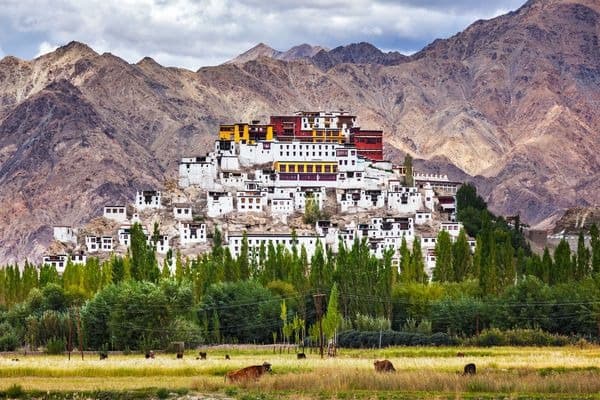
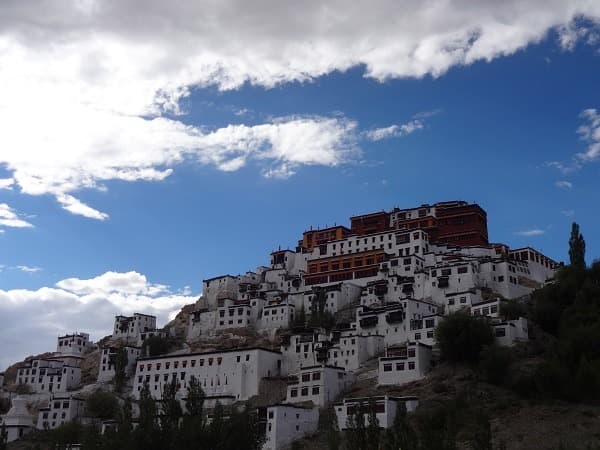
Monastic culture remains vibrant. The Hemis festival in June or July, according to the lunar calendar, gathers monks in masked cham dances in the courtyard of the region's largest monastery. At Thiksey, morning services (5.30 am) still take place with young novices in attendance. On the table, Ladakhi cuisine is hearty and sustaining: thukpa (noodle soup), momos, skyu (barley pasta stew), tsampa (roasted barley flour) and salted butter tea—rarely appreciated by Western palates but inseparable from local hospitality.
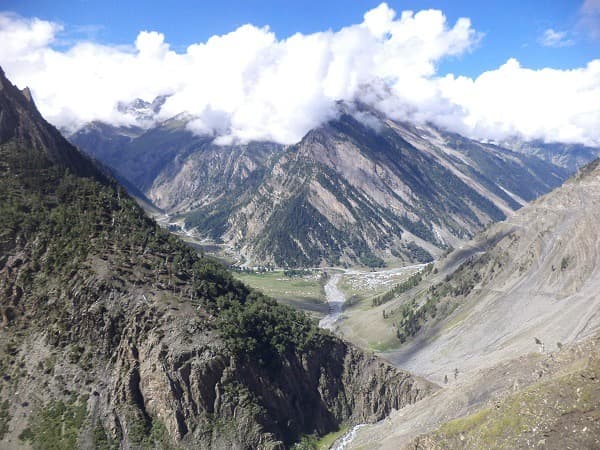
Further west, Kashmir offers a different entry into the Himalayas: Srinagar and its Dal Lake, where we lodge on cedar houseboats inherited from the British era, then the pastures of Gulmarg, Pahalgam and Sonamarg Valley. The climate is milder here (April to October) and the culture distinctly Sunni Muslim, with craftsmanship in pashmina, papier-mâché and knotted carpets. To the southeast, Spiti Valley in Himachal Pradesh extends the Ladakh experience on the Indian side, though logistics are more demanding: roads from Manali or Shimla, the monasteries of Key and Tabo, villages of Kibber and Langza above 4,000 m.
For walkers, several treks structure the season. Markha Valley (6 to 9 days) remains the most accessible, with nights in local homes and passage over Kongmaru La pass (5,260 m). The Zanskar trek and the Chadar crossing (over the frozen river in January–February) suit experienced hikers. High altitude demands a slow pace: we systematically plan two days in Leh without excursions before any journey to Nubra or Pangong.
Must-see
Thiksey Monastery at dawn. Morning service at 5.30 am in the assembly hall, young monks chanting sutras to the sound of conches and long horns. Views across the Indus Valley from the roof, framed by ochre plateaus and prayer.
Nubra Valley and Turtuk. Route via Khardung La pass (5,359 m), overnight in Hunder facing dunes traversed by Bactrian camels, then push on to Turtuk, a Balti village incorporated into India in 1971, 10 km from the Pakistani line of control.
Hemis Festival. Masked cham dances by monks in the courtyard of Ladakh's largest monastery in June or July according to the Tibetan lunar calendar. Two days of brocade costumes, drums and large thangkas unfurled.
Markha Valley Trek. Six to nine days between Chilling and Shang Sumdo, homestay lodges in the hamlets of Skiu, Markha and Hankar, crossing Kongmaru La pass at 5,260 m with views over the Kang Yatse massif (6,400 m).
Houseboat on Dal Lake. Night in Srinagar aboard a carved cedar houseboat from the British era, Kashmiri wazwan meal on deck, and dawn shikara ride through the floating market of market gardeners.
When to go
The practical window for Ladakh runs from mid-June to mid-September. Before June, mountain roads (Zoji La from Srinagar, Baralacha La from Manali) remain closed by snow, and after mid-October night temperatures in Leh quickly drop below freezing. In high summer, expect 22–28°C by day in Leh, 8–12°C at night, and near zero at the edge of Pangong at 4,250 m. Rainfall is light (Ladakh lies in the Himalayan rain shadow), but July–August sometimes bring sudden floods on the Manali–Leh road.
Kashmir follows a different calendar: practicable April to October, with tulip blooms in Srinagar in April and temperatures of 25–30°C in June–July. December to February, snow allows skiing at Gulmarg (2,650 m) but closes most excursions. For Spiti, the workable season extends from June to October via Manali, and May to October via Shimla—the latter route remaining open longer.
Practical advice
Allow a minimum of 8 to 10 days in Ladakh itself: two days acclimatising in Leh, two in Nubra, two toward Pangong, and two to three among the lower valley monasteries (Alchi, Lamayuru, Likir, Hemis, Thiksey). To add a Markha Valley trek, plan 15 days overall. Logistics begin with a flight from Delhi to Leh (1 hour 15 minutes); road connections from Manali or Srinagar take two days with an overnight stop—demanding but spectacular.
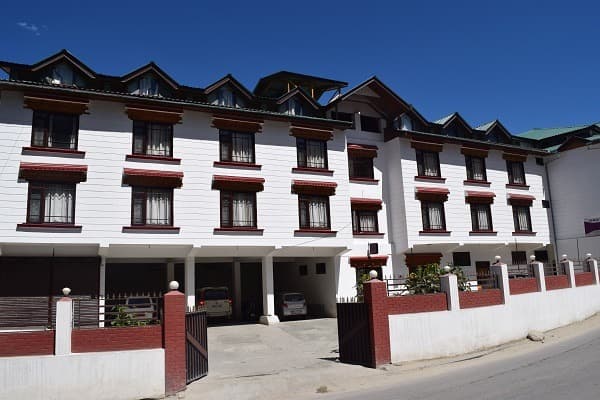
Ladakh combines well with an opening or closing stint in Uttar Pradesh around the Ganges, Varanasi and Agra being reachable from Delhi. Linking with Rajasthan is possible but requires at least three weeks to avoid rushing. Comfort is good in Leh (heated hotels, family guesthouses) but more basic in Nubra or at Pangong (semi-permanent camps, limited electricity). The region suits particularly those drawn to the Tibetan world, trained hikers, and travellers already familiar with India's plains seeking strong contrast. It is inadvisable for young children and those with cardiac or respiratory issues due to sustained altitude.