Uttar Pradesh and the Ganges
The India of the Ganges and the Mughals: Varanasi for river rituals, Agra for the Taj Mahal, Fatehpur Sikri for Akbar's court. A dense and populated plain.
Uttar Pradesh is India's most populous state, with more than 240 million inhabitants. Our team considers it the historical backbone of the subcontinent: it is here that the great chapters of ancient Buddhism, the Mughal empire, and Hindu civilization centered on the Ganges have unfolded. The Indo-Gangetic plain that crosses it is flat, alluvial, intensely cultivated—wheat and sugarcane in winter, rice during monsoon. The river stretches across nearly 1,100 kilometers before leaving the state toward Bihar.
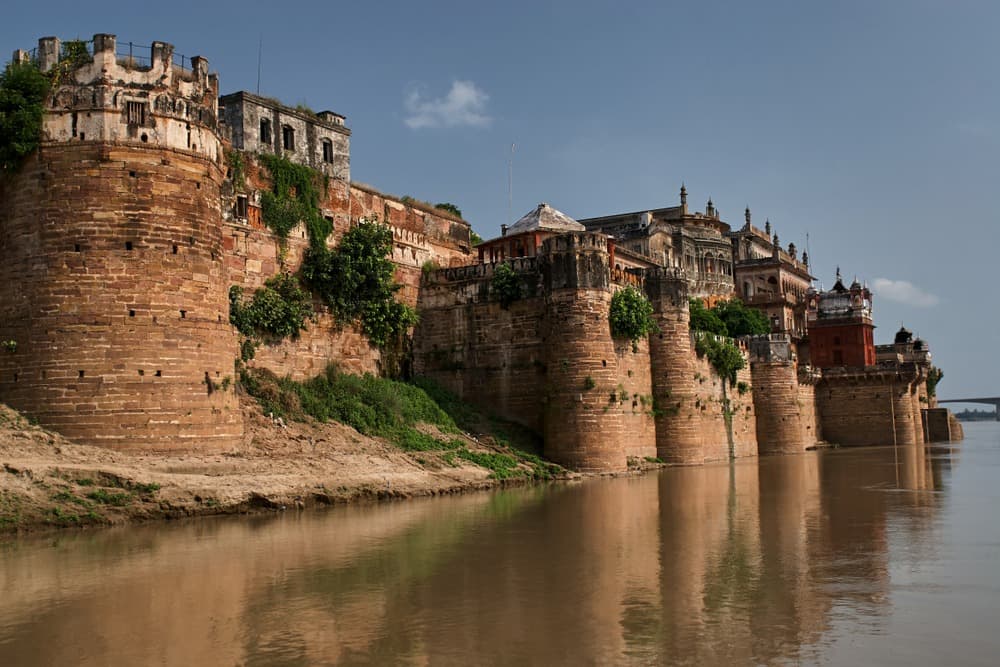
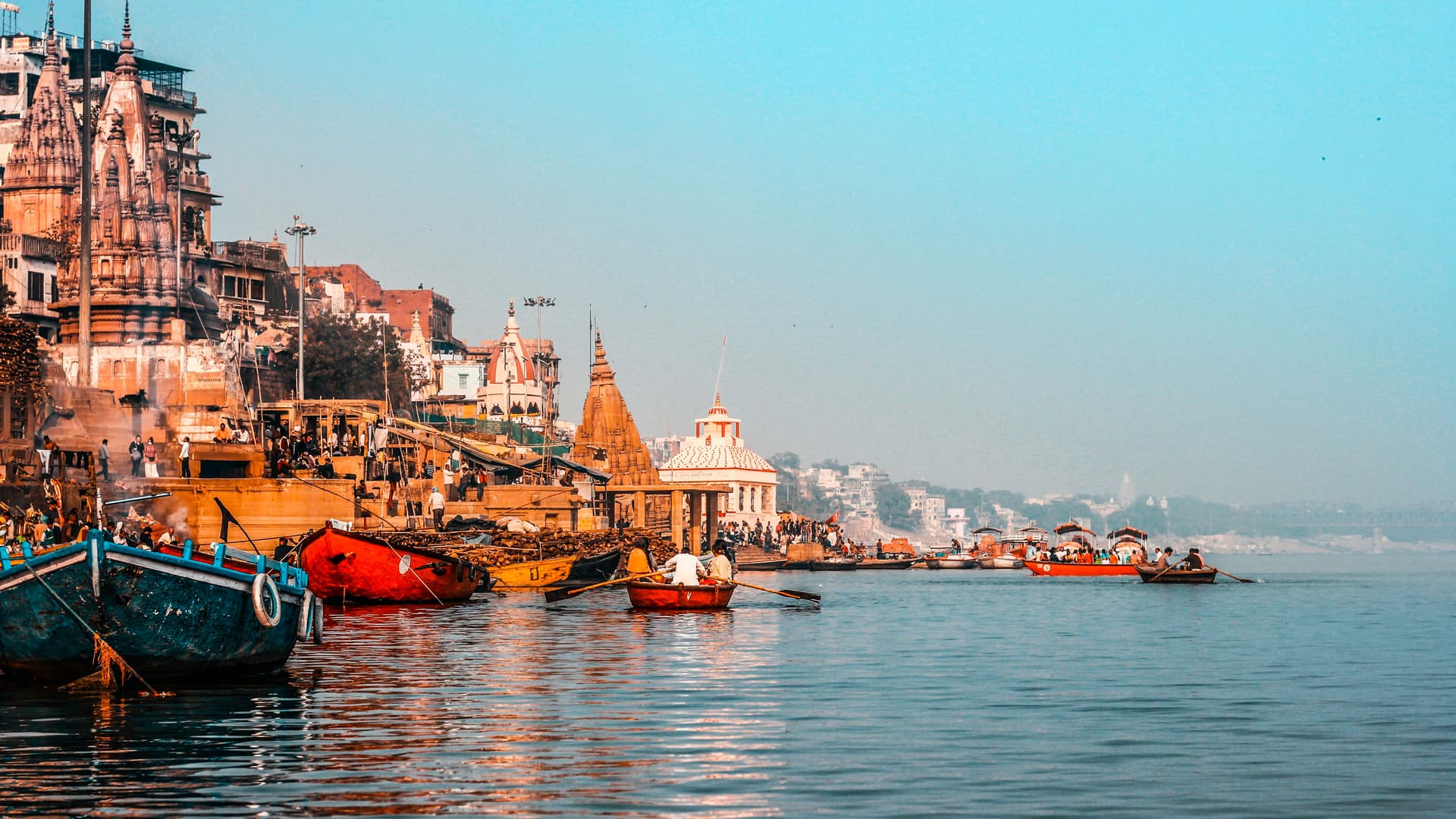
Varanasi (Benares) concentrates the spiritual dimension of the region. The city is organized on the west bank of the Ganges in a semicircle and counts 88 ghats, those stone steps descending into the water. Two of them structure ritual life: Manikarnika and Harishchandra, where the dead are continuously cremated, and Dashashwamedh, where the evening aarti, a ceremony of fire and chanting facing the river, takes place. The old city behind the ghats is a maze of alleys too narrow for cars, where you encounter cows, motorcycles, paan vendors, and pilgrims from across the country. Sarnath, 10 kilometers to the north, is the site of Buddha's first sermon after his enlightenment: here stands the Dhamek stupa, built of brick and dated to the 5th century.
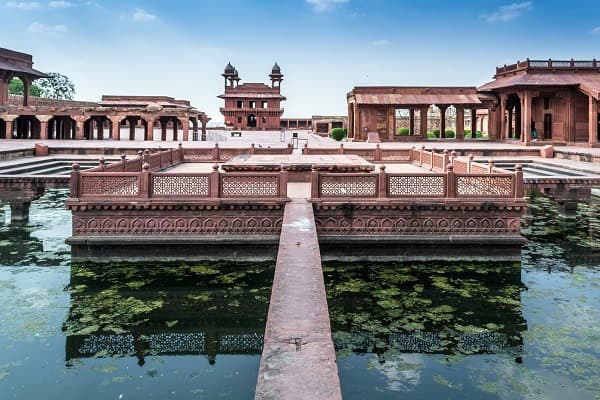
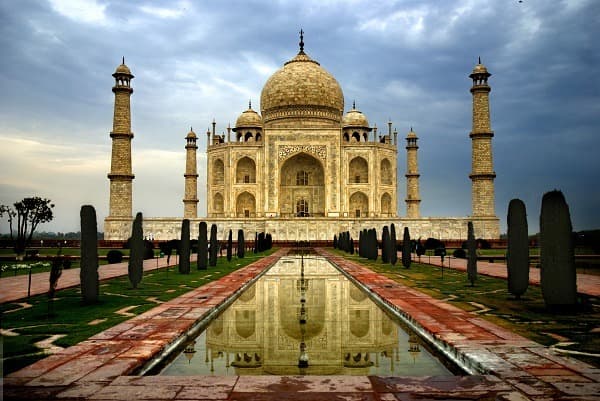
Agra, to the west, tells the other side of the region: Mughal India. The Taj Mahal, the white marble mausoleum commissioned by Shah Jahan for his wife Mumtaz Mahal, was completed around 1653. We recommend entering at opening time, around 6 a.m., when raking light crosses the marble and crowds remain contained. Agra's Red Fort, built of sandstone, houses the emperors' private palaces and offers a view of the Taj from the octagonal tower where Shah Jahan spent his final years, confined by his son Aurangzeb. Forty kilometers away, Fatehpur Sikri is an imperial city built by Akbar in 1571 and then abandoned fifteen years later due to lack of water. The red sandstone pavilions are remarkably well preserved.
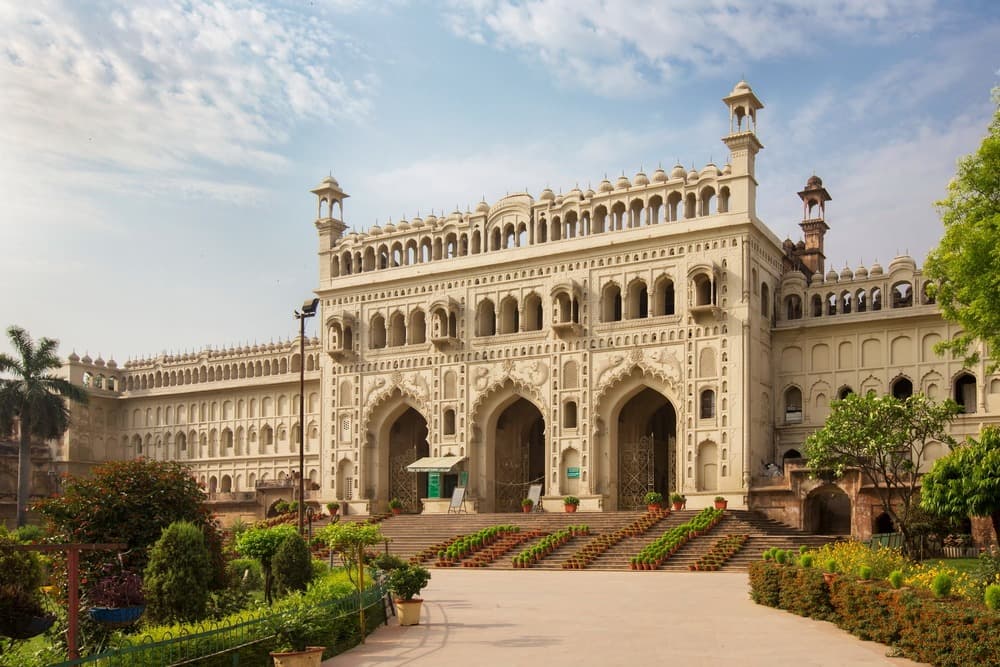
Between these two poles, Lucknow, the state capital, bears the imprint of the Shia Nawabs of the 18th century: the Bara Imambara with its labyrinths (bhul bhulaiya) beneath the vault, and a distinctive cuisine—galouti kebabs and Awadh biryanis, slow-cooked over charcoal. Further east, Allahabad (Prayagraj) marks the confluence of the Ganges, the Yamuna, and the mythical Saraswati: this is where the Kumbh Mela, held every twelve years, the world's largest religious gathering, can bring together 100 million pilgrims over six weeks.
The geography is not spectacular in landscape terms. No mountains, no desert. What strikes our travelers is the human density: fields and villages every two kilometers, markets, neighborhood temples, weaving workshops in Varanasi (Banaras silk saris are still produced on hand looms in Muslim quarters). This is a plains India, agricultural and religious, experienced rather than contemplated.
Must-See
Evening aarti at Dashashwamedh Ghat. Seven synchronized priests, oil lamps and conches facing the Ganges around 6:30 p.m. in winter. The bank fills with pilgrims and aligned boats.
Dawn boat ride on the Ganges. Departure around 5:30 a.m. from Assi Ghat. You drift slowly upstream to Manikarnika to see bathers and funeral pyres in golden light.
Taj Mahal at sunrise. The marble shifts from pink to white over an hour. Opening at 6 a.m. allows you to avoid the crowds that arrive around 9 a.m.
Fatehpur Sikri, Akbar's abandoned capital. An intact 16th-century Mughal city in red sandstone, deserted due to lack of water. The five-story Panch Mahal and the Diwan-i-Khas courtyard deserve two hours.
Sarnath and the Dhamek stupa. The site of Buddha's first sermon, 10 km from Varanasi. The archaeological museum houses the lion capital, emblem of the Indian Republic.
When to Go
The comfortable window extends from October to March. In November, temperatures in Varanasi and Agra fluctuate between 12°C at night and 26°C in the afternoon, with generally clear skies. December and January are cooler (5 to 8°C at night) and marked by thick morning mist, which can delay domestic flights by several hours, particularly on connections to or from Delhi. We systematically build in extra time for international connections during this period. February and March are an excellent time: 15 to 30°C, clear light, flowering gardens around the Taj Mahal.
From April to June, the plain becomes difficult: 40 to 45°C in the afternoon, air saturated with dust. The monsoon, from July to mid-September, brings 800 to 1,000 mm of cumulative rainfall; the Ganges sometimes rises 10 meters at Varanasi, some ghats are submerged, and boats suspended. September remains humid but temperatures drop.
Practical Advice
Allow a minimum of 5 days in the region: 2 nights in Agra (including Fatehpur Sikri en route or as an excursion), 2 to 3 nights in Varanasi. Delhi serves as a logistical entry point: Agra is 3 hours away by Gatimaan Express train, Varanasi is reached by direct flight (1h15) or overnight train. Combining this circuit with Rajasthan is the most common extension: Agra lies on the route between Delhi and Jaipur. For travelers with three weeks, extending into Madhya Pradesh (Khajuraho, Orchha) is easily done by train from Agra or Varanasi.
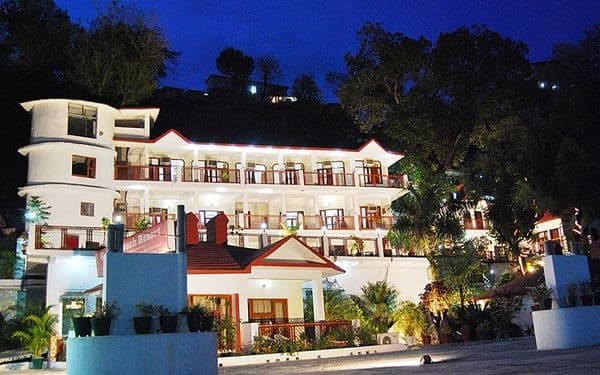
Comfort levels in Agra are high, with several hotels offering views of the Taj. In Varanasi, we favor restored guesthouses in the old city or hotels on the Ganges waterfront, simpler but well-positioned for dawn access to the ghats. The region suits travelers interested in history, spirituality, and ritual observation. It is more sensorially demanding than Rajasthan: crowds, noise, odors, the presence of death in Varanasi. For a first family trip with young children, we suggest limiting Varanasi to two nights.