Markha Valley
Markha Valley
Markha Valley is Ladakh's iconic trek: mud-brick villages, Buddhist monasteries, Nimaling plateau, and Kongmaru La pass at over 5,100 m, between Chilling and Hemis.
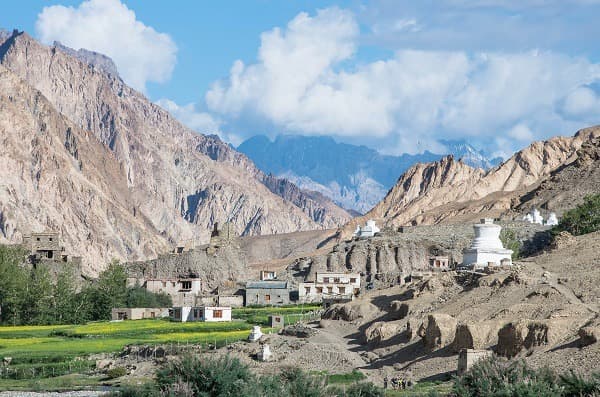
Markha Valley is a high-altitude corridor carved by the Markha River in the Ladakh region. It stretches between the Zanskar and Stok Kangri massifs, east of Leh. This multi-day trek crosses Tibetan villages, perched monasteries, and high-altitude desert landscapes. It is one of Ladakh's most frequented trekking routes, accessible without special permits for the majority of the route.
Quick Facts
- Access: usual departure from Chilling (reachable by jeep from Leh) or from Spituk via the Zingchen canyon
- Recommended duration: 6 to 9 days for the complete circuit (Chilling → Nimaling → Kongmaru La pass → Hemis)
- Maximum altitude: Kongmaru La pass at approximately 5,150 m — acclimatization essential
- Season: mid-June to mid-October; July-August for wildflowers, September for clear skies
- Accommodation: homestays and tent camps in villages (Skiu, Markha, Hankar, Nimaling)
- Permits: no trekking permit required for this standard route; protected area permit necessary for certain variants
- Accessibility: not accessible — high mountain terrain
What You'll See
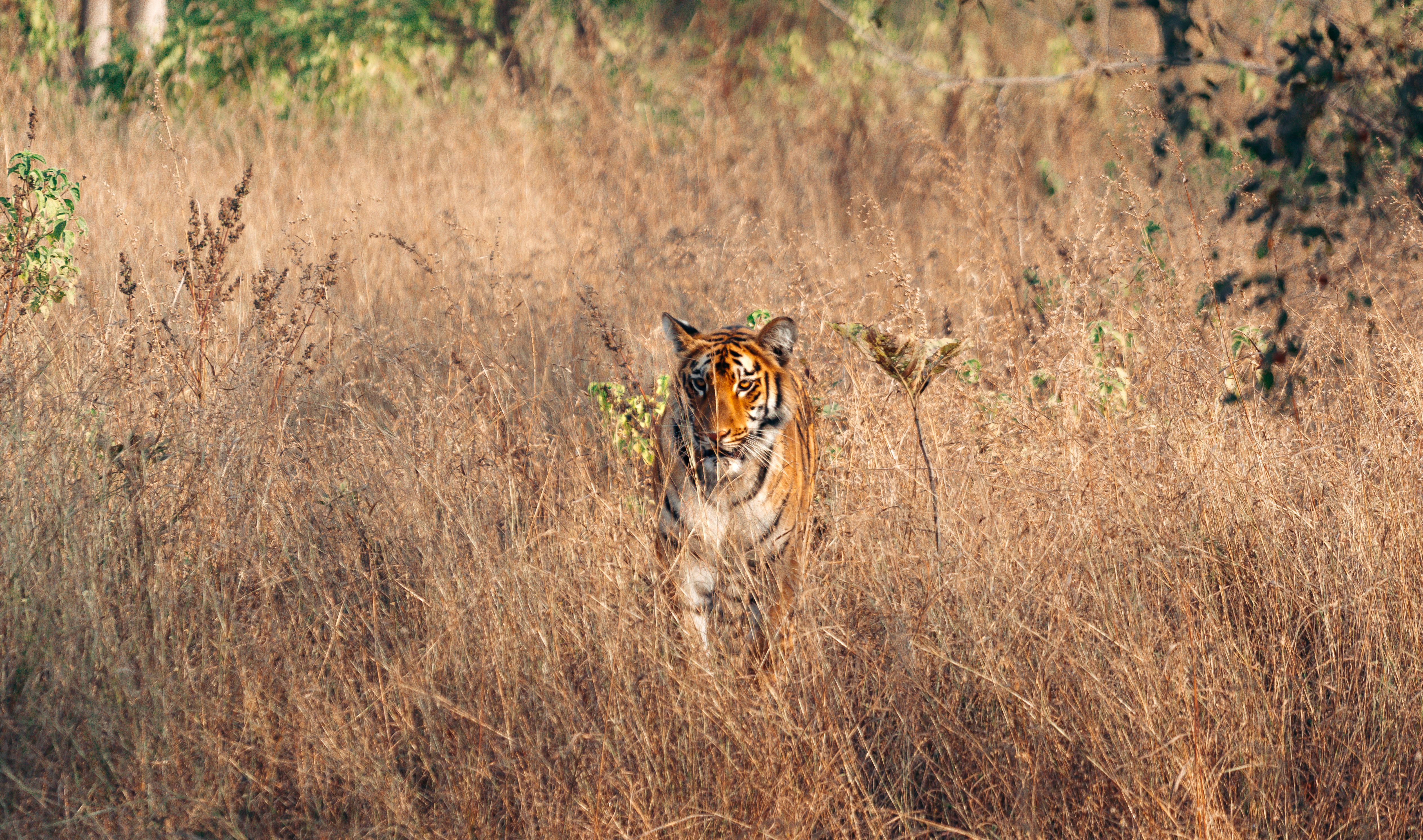
The landscape alternates between narrow gorges, alpine meadows, and arid plateaus. The villages of Skiu, Markha, and Hankar preserve the typical mud-brick architecture of Ladakh. Nimaling plateau, at over 4,700 m, offers a direct view of Kang Yatze (approximately 6,400 m). Herds of yaks and horses graze freely at altitude. Marmots and bharals (blue sheep) are frequently observed.
History and Context
Markha Valley was a secondary trade route linking central Ladakh to Zanskar. The villages dotting it historically depended on Hemis monastery, one of Ladakh's largest gompas, located at the trek's eastern terminus. The inhabitants, of Ladakhi ethnicity and Tibetan Buddhist tradition, still practice transhumant herding. The trek as we know it today took shape from the 1980s onward with Ladakh's opening to tourism.
Highlights of the Trek
Markha Monastery
In the heart of the village of the same name, this small partially ruined gompa overlooks the valley from a rocky spur. The interior preserves Buddhist frescoes and statues. Access is on foot from the village in a few minutes.
Nimaling Plateau
This vast high-altitude pasture is the trek's high point before the pass. In summer, Changpa nomads pitch their tents here. The view of Kang Yatze is unobstructed and the silence is complete. This is the trek's most physically demanding stage.
Kongmaru La Pass
At approximately 5,150 m, this pass marks the exit from the valley toward Hemis. The ascent is steep from Nimaling. In clear weather, the panorama spans the Karakoram ranges to the north and Zanskar to the south.
Hemis Monastery
The classic ending point of the trek, Hemis is Ladakh's largest and wealthiest monastery. It houses a library of Tibetan texts and a museum. The annual Hemis festival (June-July according to the lunar calendar) attracts thousands of visitors.
Etiquette and Visiting Rules
- In monasteries, remove your shoes before entering prayer halls.
- Always turn prayer wheels and circumambulate chortens clockwise.
- Ask permission before photographing residents or religious ceremonies.
- Avoid short clothing in villages and places of worship.
Photography Tips
Morning light is ideal on the ochre mud-brick villages, before heat haze obscures the peaks. Nimaling plateau photographs best in late afternoon, when raking light accentuates the relief of Kang Yatze. Avoid flash in monastery prayer halls. A polarizing filter is useful for the intense high-altitude blue sky.
Location and Access
Markha Valley lies within Hemis National Park, approximately fifty kilometers southeast of Leh. The most common starting point, Chilling, is reachable by jeep from Leh via the Nimmu road and the ferry across the Indus. The classic finish is at Hemis, connected to Leh by a paved road. Trekking agencies in Leh organize circuits with guides, porters, and equipment.
Nearby Attractions
- Hemis Monastery — Ladakh's largest gompa, the natural finishing point of the trek.
- Thiksey Monastery — tiered monastic complex overlooking the Indus valley, an hour from Leh.
- Stok Kangri — peak over 6,100 m, accessible to experienced mountaineers from Stok village.
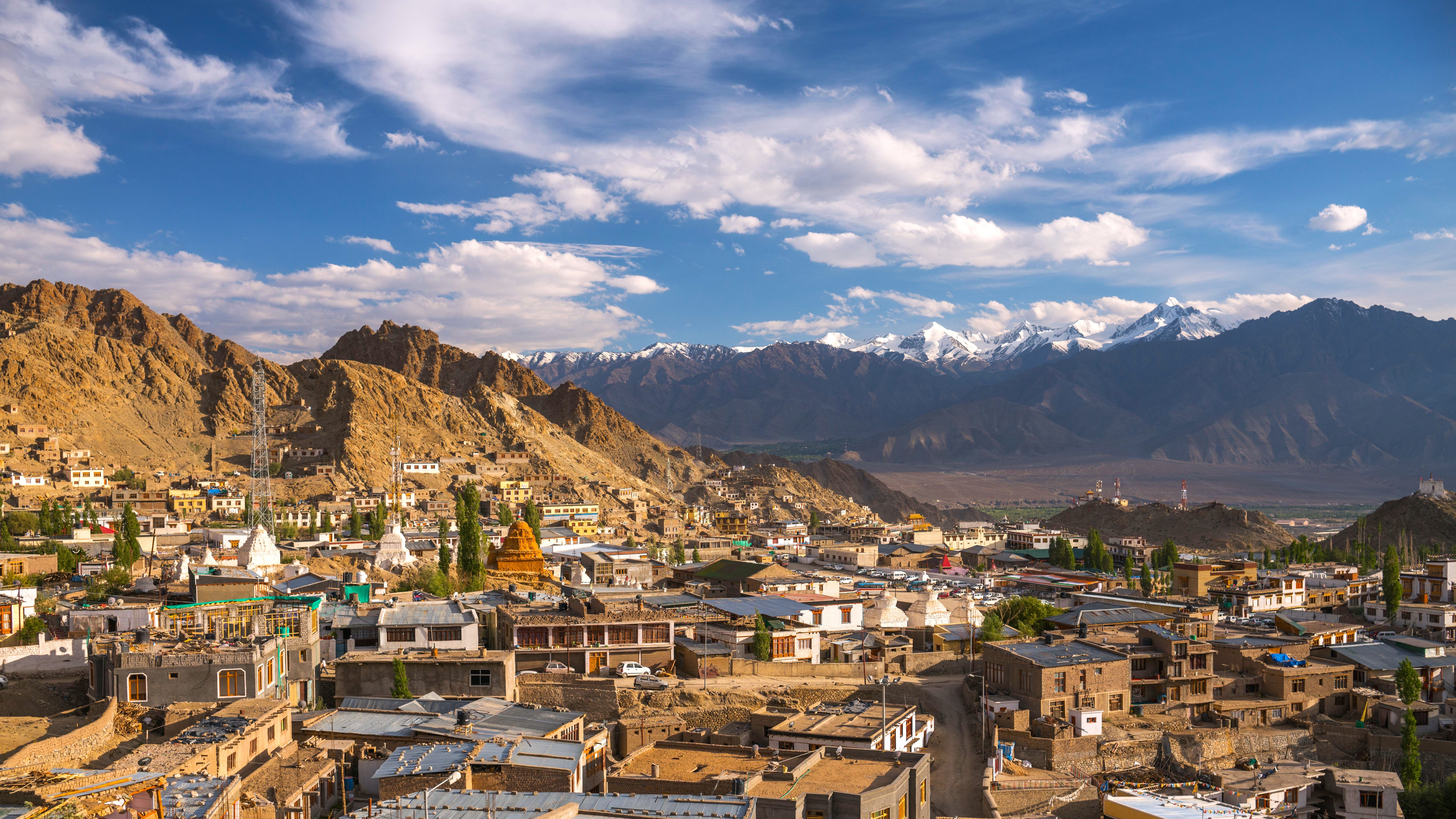
- Leh — Ladakh's capital, essential logistics hub for trek preparation.
- Zanskar Valley — even more remote region, accessible from Padum to the southwest.
Frequently asked questions
The ideal window runs from mid-June to mid-October. July and August are the most crowded months. September offers a more stable sky and still-manageable nighttime temperatures.
The trek is marked and homestays dot the route. An experienced hiker can do it without a guide. For less experienced trekkers, a local guide or Leh-based agency provides safety and logistics (mules, tents, food).
Yes. Kongmaru La pass exceeds 5,100 m. It is strongly recommended to spend at least two nights in Leh (3,500 m) before beginning the trek to reduce the risk of acute mountain sickness.
Yes. The trek is often combined with a visit to Hemis monastery at the end. Variants allow you to reach Zanskar Valley or continue with the Stok Kangri trek for mountaineers.
Outside, generally yes. Inside prayer halls, always ask the resident monk's permission. Some sanctuaries prohibit photography or request a donation.
Homestays with local families are available in main villages (Skiu, Markha, Hankar). At Nimaling, only tent camps are possible. Advance booking is not always necessary outside peak season, but recommended in August.
Photos
Want to discover this destination?
Our local advisors design your tailor-made trip.