Yuksom
Yuksom
Sikkim's first capital and gateway to Khangchendzonga, Yuksom blends Buddhist spirituality, ancient monasteries and exceptional Himalayan trekking.
Yuksom is a peaceful village nestled in the verdant hills of western Sikkim. The historical birthplace of the Sikkimese kingdom and former royal capital, it also serves as the gateway to the mythical peaks of Khangchendzonga. Yuksom appeals equally to history enthusiasts and nature lovers seeking world-class trekking.
Yuksom, an Essential Sikkim Destination
The first village founded in Sikkim, Yuksom holds major symbolic and spiritual significance for the Sikkimese people. It was here, in 1642, that the Tibetan monk Lhatsun Chenpo crowned Phuntsog Namgyal, Sikkim's first chogyal (religious king). This coronation marked the birth of an influential Buddhist monarchy and established Yuksom as a sacred site for followers of the Nyingmapa tradition.
Yuksom is one of the most sought-after entry points to the Khangchendzonga National Park, one of Sikkim's finest tourist destinations and a UNESCO World Heritage site. Travelers come to walk through rhododendron forests, visit centuries-old monasteries, and admire views of Khangchendzonga, the world's third-highest peak.
More than a simple village, Yuksom embodies an introduction to authentic Sikkim: a place where spirituality, hospitality and nature converge.
History
The name Yuksom means "the meeting place of three lamas." According to tradition, three monks from Tibet (Lhatsun Chenpo, Sempa Chenpo and Rigzin Chenpo) met here to establish Sikkim's first kingdom. Together, they selected and crowned Phuntsog Namgyal as the first chogyal, giving birth to a spiritual monarchy that would last over three centuries.
The Norbugang Coronation Throne site still bears witness to this founding event. It symbolizes both the religious unity of the country and its integration into Himalayan Buddhist culture. Yuksom became the kingdom's first capital before power was successively transferred to Rabdentse, then Tumlong, and finally to Gangtok in the 19th century.
Today
Today, Yuksom is a small rural village oriented toward sustainable tourism and trekking. Its wooden-housed lanes, cornfields and cardamom plantations, and trails leading to perched monasteries make it an ideal stop for hikers. The atmosphere remains peaceful, infused with spirituality and authenticity.
What to See and Do in Yuksom?
Norbugang Coronation Throne
Located in Coronation Park, this stone throne commemorates the coronation of Sikkim's first king in 1642. Four seats symbolize the ceremony's participants: the central throne dedicated to Lhatsun Chenpo, the one to his right for Phuntsog Namgyal, and the two to the left for other lamas from the south and west.
The park also houses the Norbugang chorten, beneath which Lhatsun Chenpo reportedly buried sacred soil from throughout Sikkim, symbolizing unity of the emerging kingdom. Bordered by ancient trees and prayer flags, it's a peaceful place conducive to meditation and reflection.
Trekking to Discover the Region's Monasteries
Sikkim's oldest monasteries are found around Yuksom. They are accessible only on foot. The hiking route connects Dubdi, Sikkim's oldest monastery, to those of Sinon and Hongri, before descending toward Tashiding, one of Buddhism's most sacred sites in Sikkim.
Crossing forests and isolated hamlets, it offers complete immersion in Sikkim's spirituality and rural life. Recommended only for visitors in good physical condition, the excursion can be done in one well-organized day or over several days, with nights in welcoming village guesthouses.
Trek to Dzongri Peak and Goechala
A true challenge for mountain enthusiasts, the Goechala trek is one of the Himalaya's most spectacular. It reveals breathtaking views of fourteen peaks, including the majestic Khangchendzonga. The route alternates between pine forests, alpine meadows and glacial lakes such as Samiti Lake.
For those short on time, the Dzongri trek offers a shorter alternative. It also guarantees exceptional panoramas of snow-capped summits.
Kathok Lake
Not far from the village center, Kathok Lake is a small sacred body of water surrounded by forests and prayer flags. Its waters reportedly were used in the consecration ceremony of Sikkim's first king. A visible footprint on a rock is attributed to one of the three founding lamas.
A place of reflection, the lake is frequented by locals who come to feed the fish or pray. Its calm and spiritual atmosphere make it a restful stop during a visit to Yuksom.
Rimbi Orange Gardens
The Rimbi Orange Gardens, about ten kilometers from Yuksom, spread across the banks of the Rathong Chhu river. In season (December to January), trees are laden with golden mandarines. Visitors can taste fresh juices or local fruit wines. The site is also a paradise for bird and butterfly enthusiasts.
From Gangtok, allow approximately six to seven hours of driving (120 km) to reach Yuksom. Shared or private vehicles travel a scenic road through forested hills and small villages. It's also possible to reach the village from nearby Pelling or Geyzing by taxi or local jeep.
When to Visit Yuksom?
The best time to visit Yuksom runs from March to May and September to November, when skies are clear. In winter, temperatures remain cool but the village retains its charm and tranquility.
Frequently Asked Questions About Yuksom
Why is Yuksom Famous?
Yuksom is famous as Sikkim's first capital and starting point for the celebrated Goechala trek.
What Does Yuksom Mean?
The name Yuksom means "meeting place of three lamas," referring to the founding monks of the kingdom.
What Altitude is Yuksom At?
The village of Yuksom sits at 1,780 meters altitude, at the foot of the Khangchendzonga mountains.
Where to Stay in Yuksom?
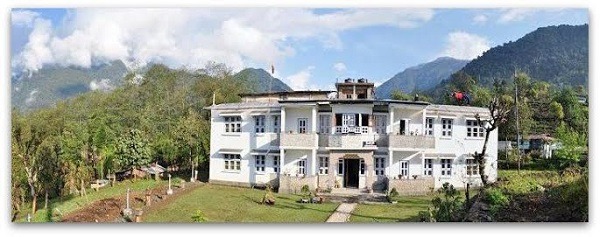
You can stay with local families or in small family-run guesthouses in Yuksom. Comfort remains simple, but the welcome and immersion in local life are authentic.
Accommodation in Yuksom
Want to discover this destination?
Our local advisors design your tailor-made trip.