Himachal Pradesh
Land of the Gods, Domain of snow and mountains, Basket of flowers of the world… Himachal Pradesh has earned every one of its monikers.
Land of the Gods, Domain of snow and mountains, Basket of flowers of the world… Himachal Pradesh has earned every one of its monikers.
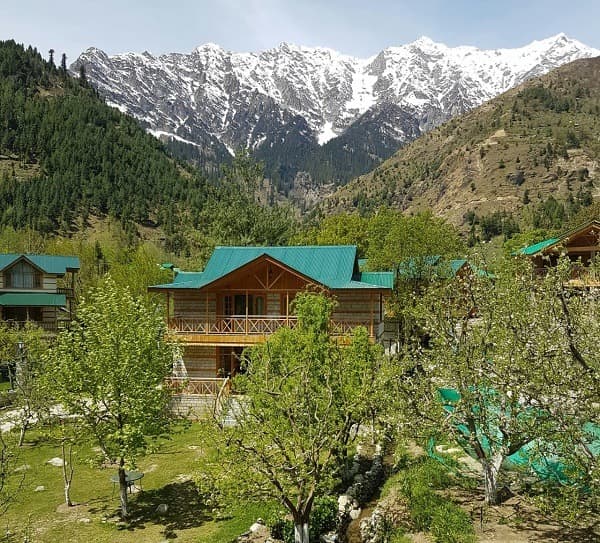
Nestled within the snow-capped ranges of the Himalayas, it shares borders with Haryana, Jammu and Kashmir, Punjab, and Chinese Tibet. The splendor of its natural setting makes Himachal Pradesh a particularly sought-after destination for mountain tourism and adventure activities.
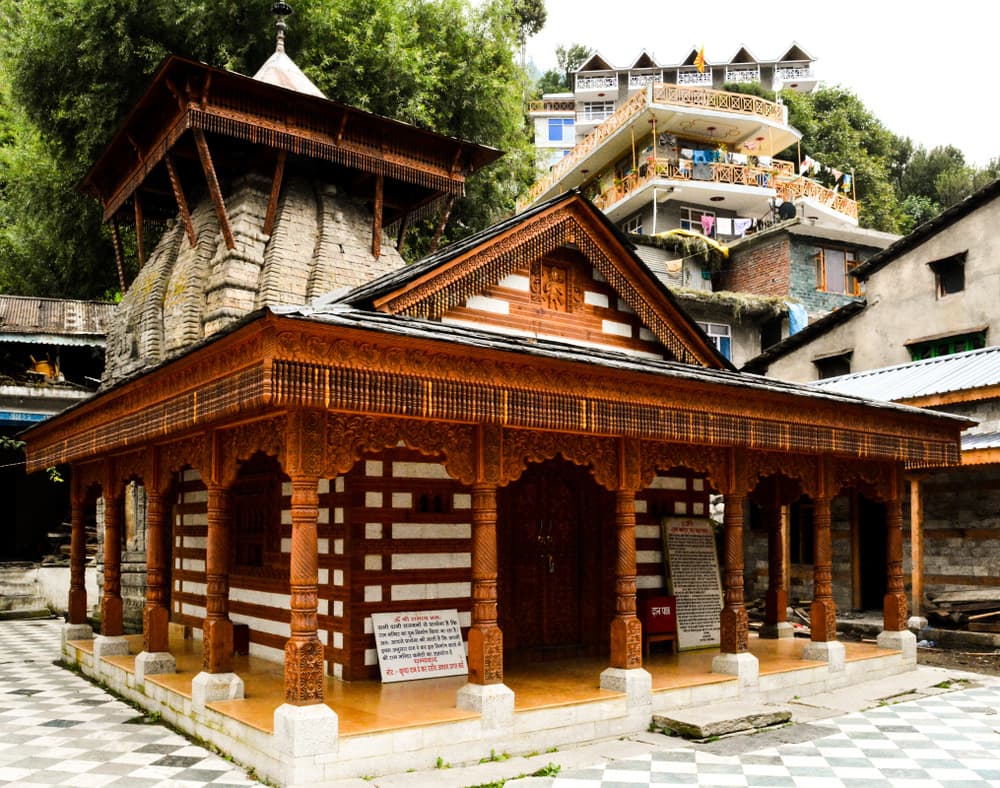
This state in northwest India is also renowned for its spectacular temples, which draw pilgrims from across the region.
Travelers universally agree: Himachal Pradesh is an enchanting destination whose visit leaves a lasting impression and inspires an immediate desire to return.
History
Archaeologists date the earliest traces of human settlement to the Bronze Age. Between 1500 and 500 BC, Aryan peoples migrated to northwest India and settled in the most fertile valleys of the Himalayas. Thus, the Himachal region emerged, composed of small independent kingdoms (janpadas) that vied with one another. Around 300 BC, the rise of the Mauryan dynasty marked the beginning of a unified empire.
From successive invasions by the Mughals, Sikhs, and Gurkhas, Himachal inherited an invaluable religious heritage: its streets are filled with pagodas with sweeping roofs, temples adorned with intricate carvings, and Buddhist gompas. The Sikhs brought Hindu traditions, mastery of craftsmanship, and agricultural expertise.
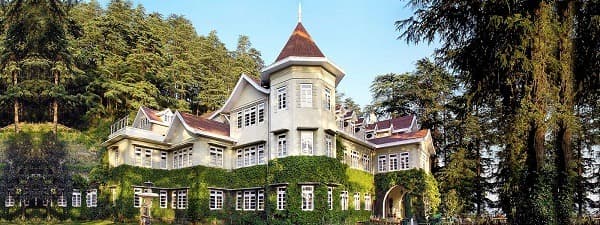
From British occupation in the mid-19th century until 1947, Himachal preserved exceptional buildings, including Christ Church and the Indian Institute of Advanced Study, once home to the Viceroy and Governors of India. English officers made Shimla their summer retreat.
Large portions of Himachal Pradesh's ruins and historic buildings have been carefully restored. Blending colonial architecture with Indian treasures, the state leverages its exotic character to captivate international visitors.
Today
Himachal Pradesh's entry into the modern world began in 1948, when thirty principalities were unified. It was declared a Union Territory in 1956, before becoming a federal state with its own local governance in 1971. Following years of political turbulence, Himachal Pradesh now positions itself as one of India's most prosperous states. Nature is its greatest asset. The region's economy rests on two pillars: agriculture and tourism.
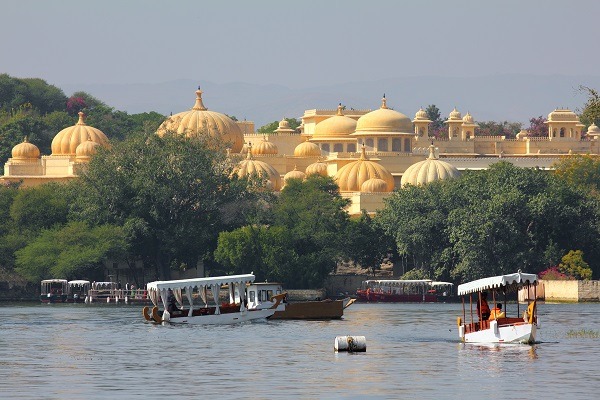
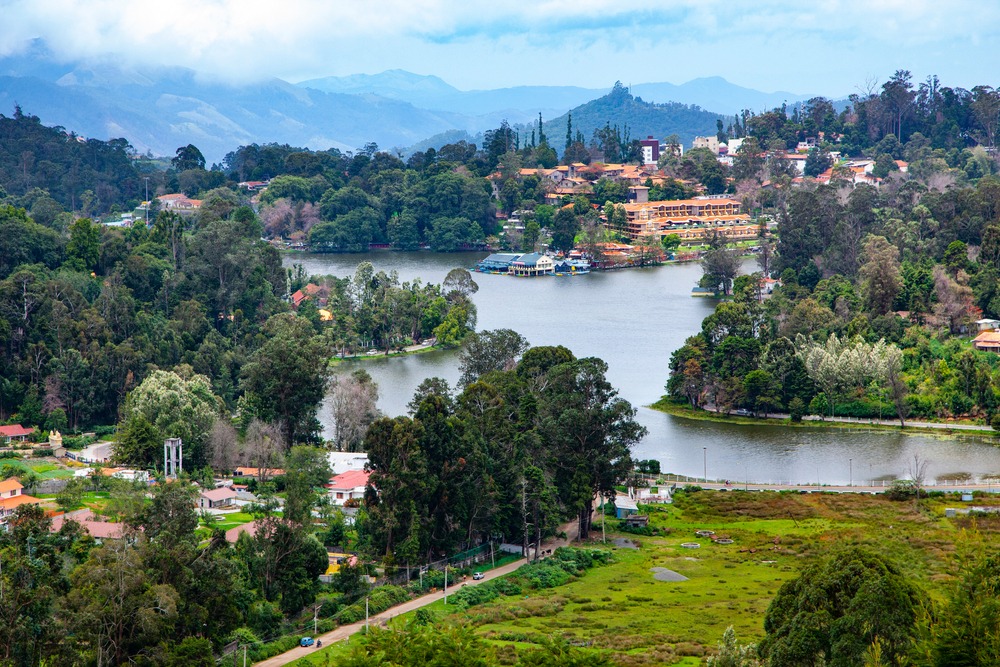
The tourism market is experiencing robust growth in Himachal Pradesh. Its extremely mountainous terrain, punctuated by lakes, valleys, gorges, cliffs, and verdant enclaves, holds endless appeal for trekkers and romantic travelers. True to its heritage, Himachal offers the thrills of rallying, skiing, and extreme sports.
The cultural potential is equally vast: tribal communities fiercely preserve their customs and traditions; traditional crafts continue to flourish well into the 21st century. Himachal Pradesh boasts numerous pilgrimage sites where Hindus gather in devotion: the Shri Naina Devi Ji sanctuary and the Kajji Naga sanctuary, to name but a few.
In 2016 alone, the Tourism Board recorded nearly 16 million visitors across the territory. Tourist arrivals are primarily concentrated in the resorts of Shimla, Manali, Dharamshala, and Shamba.
Must-See Attractions
- Viceregal Lodge, Shimla District: a cultural immersion in this former palace of India's Viceroys, featuring a striking Scottish-inspired façade. Inside, you can discover a map detailing the partition of India.
- Gaiety Heritage Cultural Complex: a celebrated Victorian theater hall built during the colonial era
- Office of His Holiness the Dalai Lama: in Dharamshala
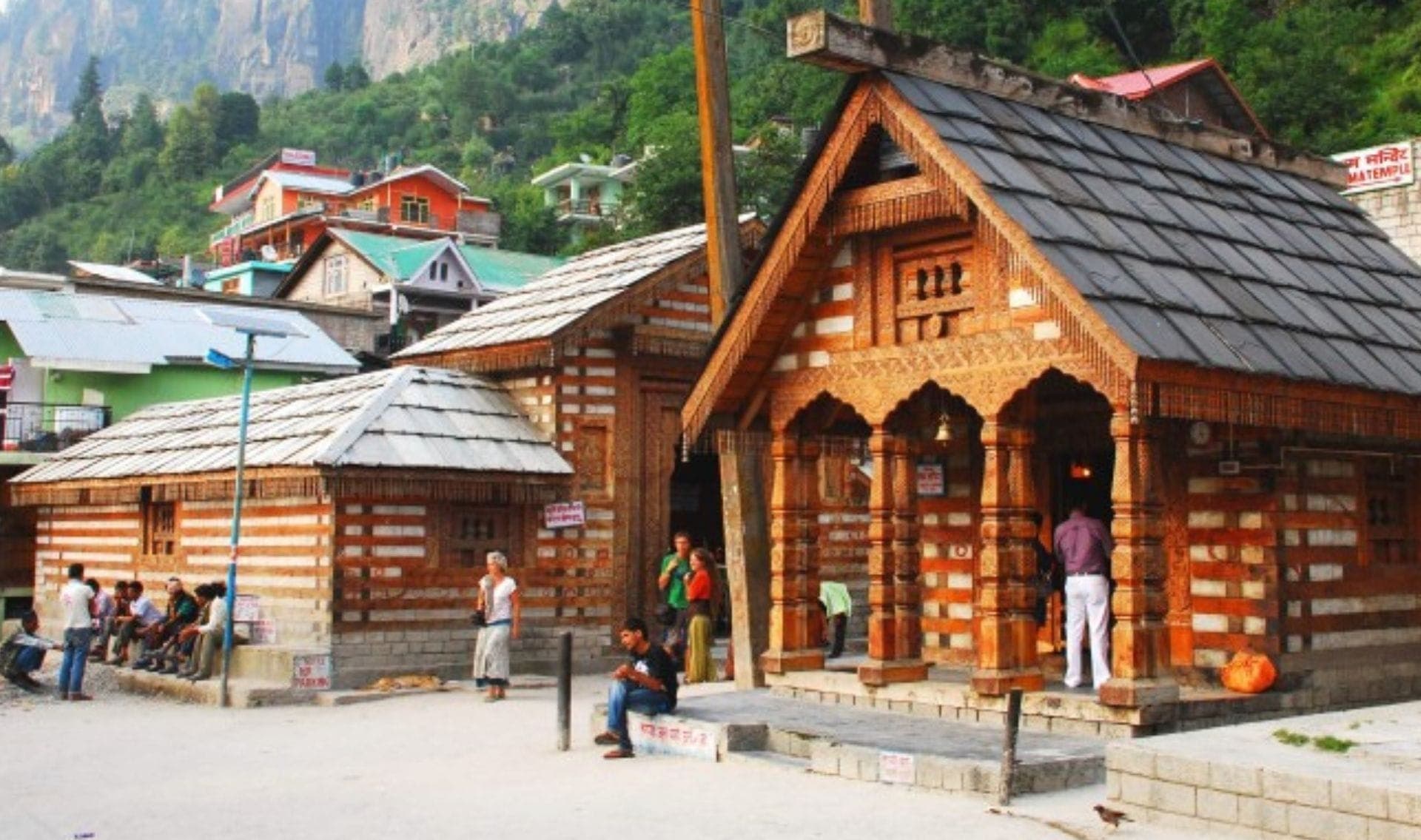
- Hadimba Devi Temple, Manali: completed in 1553, this four-story temple with pagoda-style architecture immerses you in the mythological adventures of Hindu deities.
Things You Must Do
Himachal Pradesh is one of India's most beautiful destinations, where travelers can fulfill virtually any desire:
- pursue outdoor activities in Manali: choose from skiing, snowboarding, heli-skiing, trekking, climbing, or mountaineering;
- visit Manali's bird sanctuary;
- enjoy water-based experiences: white-water rafting, water skiing, or fishing;
- play golf at a resort facility;
- watch the sunset from Dalhousie;
- savor madra, one of Himachal's signature dishes.
Shopping & Gift Ideas
A trip to Himachal Pradesh is synonymous with shopping. The region is an Indian hub of artisanal crafts: weaving, basketry, embroidery, beadwork, painting, and wood carving flourish here. As memorable souvenirs, you can purchase:
- a carpet featuring motifs of flutes or lotus flowers,
- a thangka (traditional Indian canvas painting),
- a Himachali-style hat,
- richly embroidered accessories such as a shawl, fan, or handbag,
- a silver or turquoise bracelet.
The main artisanal markets are those in Dharamshala and Dalhousie.
Climate
Himachal Pradesh is characterized by climate diversity influenced by altitude: subtropical humid climate dominates the low southern plains (450–900 meters), warm and temperate conditions prevail between 900–1,800 meters, cold and temperate weather occurs in mountains between 1,900–2,400 meters, and alpine and glacial conditions define the high northeastern mountains exceeding 2,500 meters.
The best time to spend a holiday in Himachal is between April and June, when temperatures are mild. Cold weather grips the region particularly in October, November, and December—a slow period for most tourists, but an excellent season for winter sports enthusiasts.
Himachal Pradesh is accessible by air, road, or rail.
§ By Air: Himachal Pradesh has three international airfields. However, few airlines serve the destination directly. Passengers typically prefer to take a flight to Chandigarh and then reach Himachal by car or bus.
§ By Train: traveling to Himachal Pradesh by train is a memorable experience. Be prepared, as the journey can take between 6 and 8 hours. You'll board the toy train built by the British that connects Kalka and Shimla (a UNESCO World Heritage site). The train journey offers a beautiful preview of Himachal Pradesh's picturesque landscapes.
§ By Car: all major cities in Himachal Pradesh are easily accessible thanks to a well-maintained road network. The Government operates public bus services offering affordable connections to major destinations such as Chandigarh, Haryana, and Delhi.