Uttarakhand
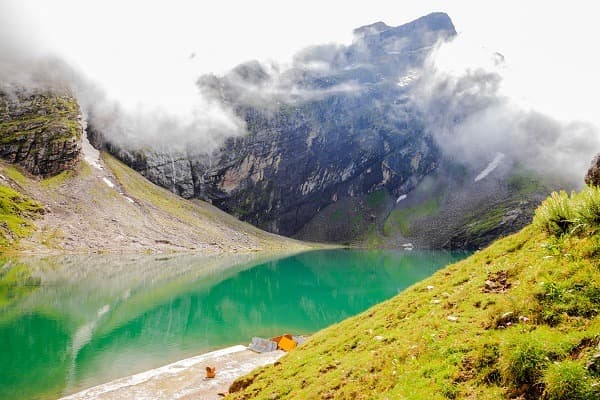
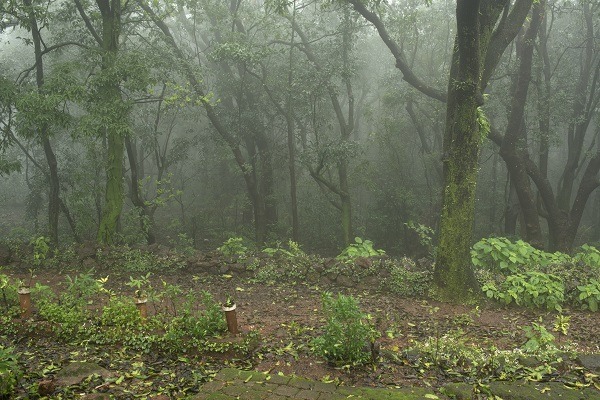
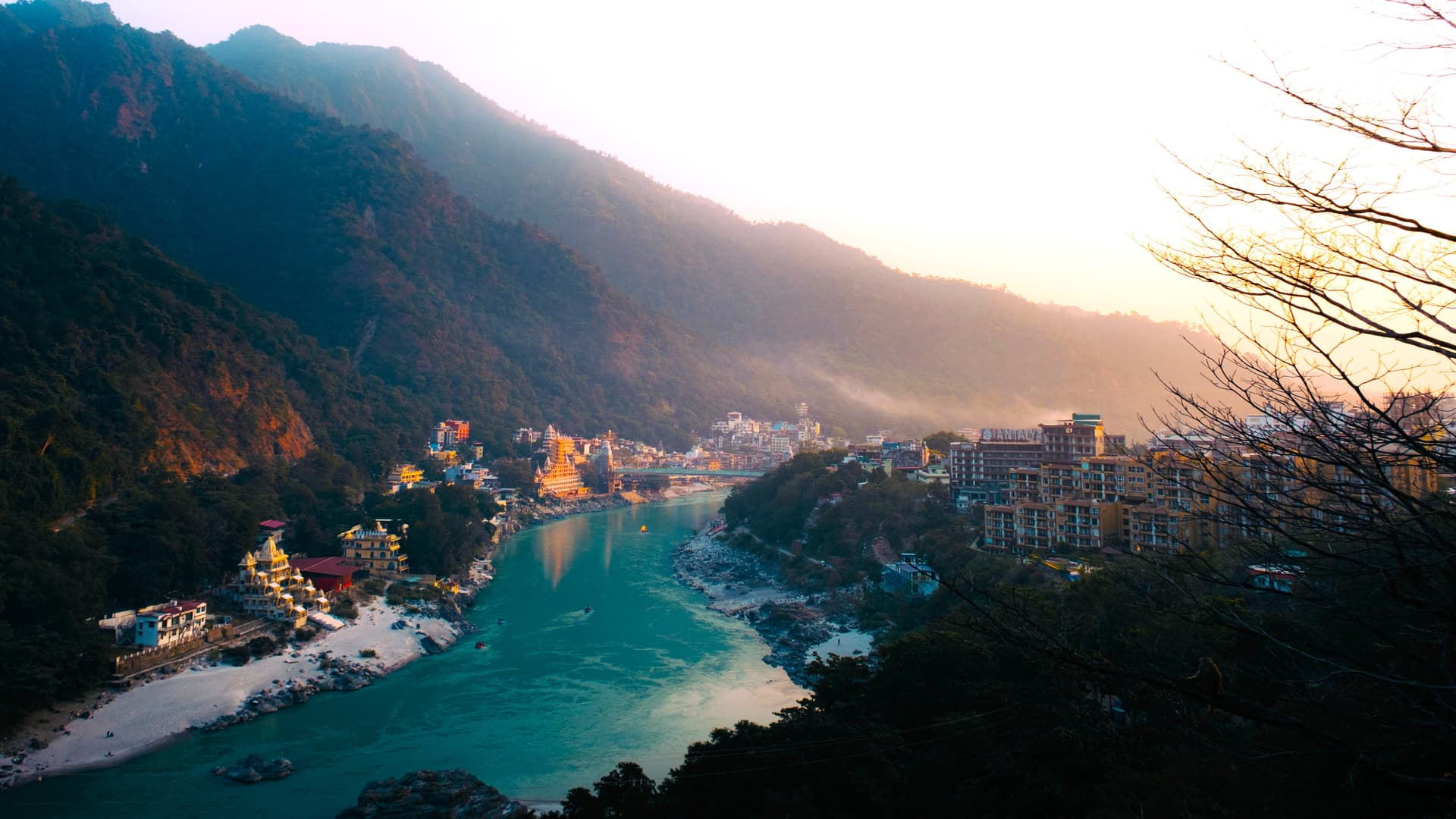
With its emerald lakes, pine and rhododendron forests, snow-capped peaks stretching endlessly, and the rushing waters of the Ganges, the State of Uttarakhand is a unique and exceptional destination
With its emerald lakes, pine and rhododendron forests, snow-capped peaks stretching endlessly, and the rushing waters of the Ganges, the State of Uttarakhand is a unique and exceptional destination. This Himalayan paradise lies in the northeastern part of India, beside Tibet and Nepal, less than 300 kilometers from the states of Himachal Pradesh and Uttar Pradesh. Whether you're a nature lover, culture enthusiast, or simply curious to discover authentic Indian territory, Uttarakhand has everything to impress you.
History
The State of Uttarakhand appeared on India's geographical map on November 9, 2000. Archaeologists estimate that the first waves of human settlement in the region date back thousands of years. According to a widespread legend, it was here that the saint-poet Vyasa first committed the epics of the Mahabharata to writing.
During the medieval period, the region was administered by the sovereigns of Garhwal and Kumaon. During the Chand dynasty era, Kumaon experienced a golden age with the establishment of education and painting centers. In 1791, it fell under the flag of the Gorkha Empire before enduring British occupation for more than 130 years.
Following the Declaration of Independence in 1947, Uttarakhand entered the Indian Union and remained administratively attached to Uttar Pradesh until 2000.
How many cities are there in Uttarakhand?
The Indian state of Uttarakhand has approximately 55 cities, distributed among different administrative categories, such as Municipal Corporations, Municipal Councils, and Nagar Panchayats (city councils). This estimate includes major cities such as Dehradun, Haridwar, Haldwani, Roorkee, Kashipur, Rishikesh, as well as numerous other medium or small-sized urban centers. These cities are spread across Uttarakhand's 13 districts, covering the two major geographical divisions of the state: Garhwal and Kumaon. Each district comprises several towns and villages, forming a diverse urban network that reflects the cultural and geographical richness of the region, particularly in areas like southeastern Udham Singh Nagar.
Today
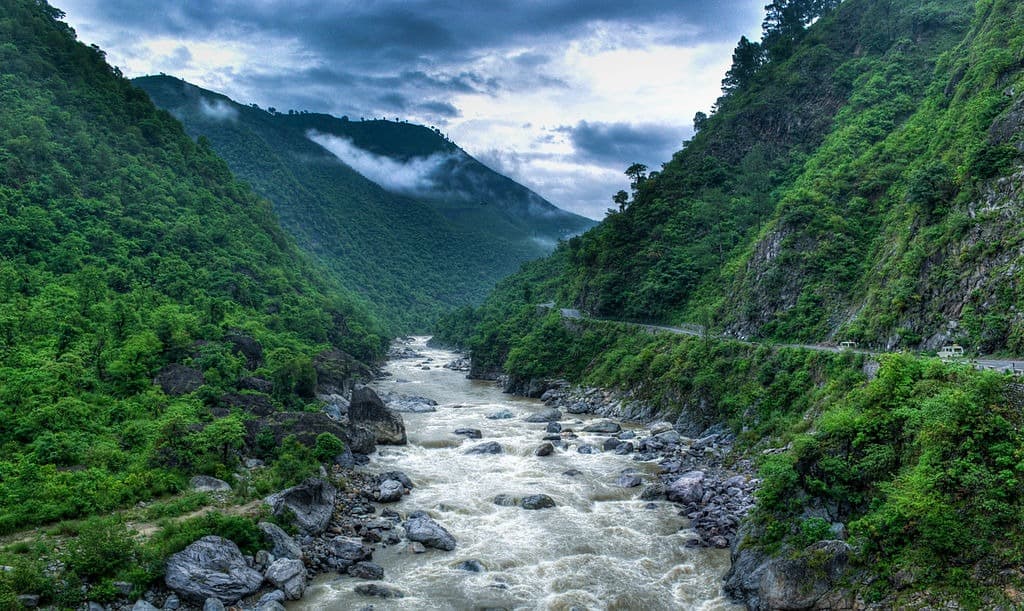
Uttarakhand's economy relies primarily on agricultural activities and livestock farming. The travel industry is beginning to take off since the state established the Uttarakhand Tourism Development Council. With its picturesque hill stations, gorges, rivers, and streams with majestic currents, the Land of the Gods is positioning itself as a fashionable adventure destination for vacationers in India.
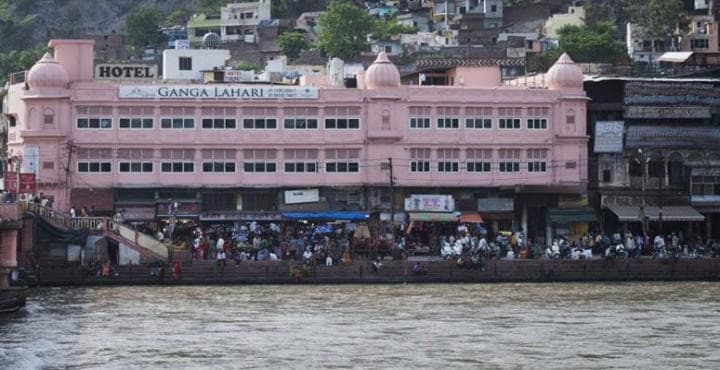
Parallel to spiritual circuits in the cities of Rishikesh, Haridwar, and Badrinath, we promote responsible tourism that combines nature discovery, participation in local activities, and respect for traditions. A portion of tourism revenues is shared with villagers.
Why do so many people visit Uttarakhand every year?
Each year, Uttarakhand attracts thousands of visitors seeking nature, spirituality, and adventure. This region in northern India captivates through the richness of its sacred sites, landscapes, and outdoor activity opportunities. Here are some monuments and places of interest to discover during a trip to Uttarakhand:
Religious Heritage
Uttarakhand is filled with celebrated places of worship where Hindu and Jain communities have long practiced their devotion:
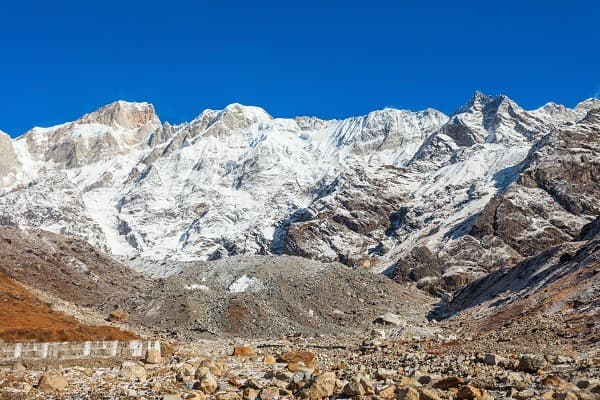
- The Badrinath Temple: Nestled between the Nar and Narayan mountain chains at an altitude of 3,133 meters, the Badrinath Temple is an important pilgrimage destination surrounded by the legend of Vishnu;
- The Kedarnath Temple: A major center of Shiva worship, the Kedarnath Temple is open to visitors in April, May, and November. Facing the Mandakini River, it marks the spot where Lord Shiva, wishing to test the Pandava brothers, hid from them in the form of a buffalo;
- The Gangotri Temple: Perched at over 3,000 meters, it stands out by being situated near the source of the Ganges. The belief holds that Ganga placed her feet on this spot when she descended from Shiva's hair. The evening aarti is the temple's main attraction: young monks proceed in offering a plate filled with flickering flames to Ganga, accompanied by the chanting of mantras and cymbals;
- The Bagnath Temple: Dedicated to Lord Shiva, the Bagnath Temple is a haven of serenity ideal for its spirituality and enchanting setting bordered by mountains and glacial fields. It attracts pilgrims, trekkers, and adventure sports enthusiasts alike;
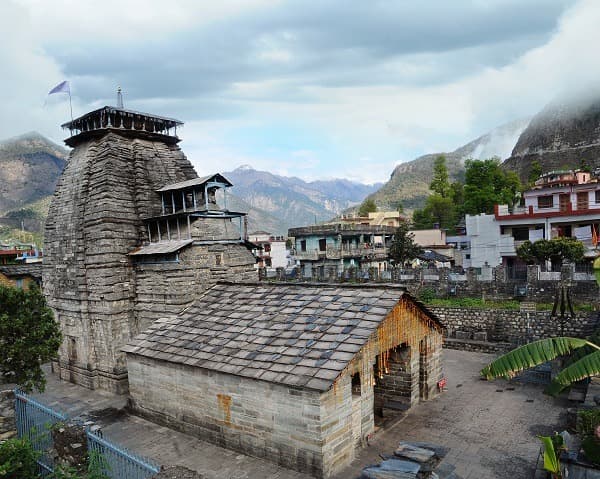
- The Lakha Mandal Temple: Built in the 8th century, the Lakha Mandal temple strikes with its simple stone facade adorned with numerous mythological engravings. It is a striking testimony to Nagara architecture.
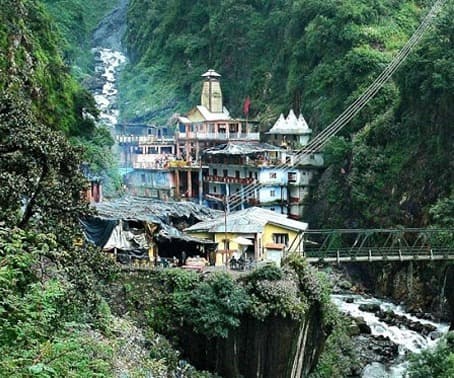
This network of sacred sites forms part of the Char Dham, the sacred pilgrimage circuit that attracts millions of devotees each year.
Historical and Cultural Heritage
Uttarakhand offers charms beyond religious tourism. Several quality historical and archaeological monuments are worth visiting:
- Lohaghat: Bordered by the Lohawati River, Lohaghat combines mountain sports with cultural immersion. With a flattering mythological past, this destination has gained recognition worldwide for its Advaita Ashram, a spiritual hermitage center founded in 1899 by Swami Vivekananda, the father of Vedanta and yoga; among other nearby sites of interest are Vanasur Fort, where the thousand-armed demon defeated by Krishna once resided, and Abbot Mount, a small hill station equipped with European bungalows and a recreation area.
- Binsar: This lush region was, from the 7th to the 18th century, the summer capital of the Chand sovereigns. After an exciting trek through the wooded forest, you will appreciate visiting the Royal Palace, now transformed into a luxury hotel. About 30 kilometers from the village, the Shiva rock-cut temple, known as Binsar Mahadev, is adorned with lovely rock sculptures that will charm archaeology enthusiasts.
Natural Heritage
Uttarakhand brings together some of the most beautiful sites in the Himalayas. You will be delighted, whether seeking a breath of fresh air, a rush of adrenaline, or stunning mountain views:
- Jim Corbett Forest Park: This is India's first protected area, which opened its doors in 1936. It is an excellent base camp for observing numerous species of big cats, cervids, and elephants in the wild;
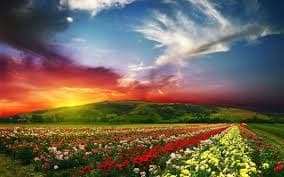
- The Valley of Flowers National Park: Inscribed on the UNESCO World Heritage List, the Valley of Flowers will impress nature lovers with its floral formations that color its peaks and alpine meadows in summer. Access to the reserve is via a 16-kilometer trek. Nearby stands Nanda Devi, one of India's highest peaks and a sacred mountain for inhabitants.
Adventure Sports
Uttarakhand's rugged terrain, with its tangle of gorges, mountains, and streams, is particularly conducive to extreme sports:
- The rivers Ganga, Yamuna, Alaknanda, and Bhagirathi are frequented by rafting enthusiasts;
- The Auli station, enjoying breathtaking views of Himalayan landscapes, offers skiing pleasures to aficionados, including sledding, tobogganing, and cable lifts leading to the high hills;
- The spots of Dayara, Nainital, Pithoragarh, Mussoorie, Ranikhet in the Kumaon region are the most suitable for paragliding experiences. Launched into the air like a bird, you will enjoy an exceptional aerial view of the Himalayas and surrounding landscapes;
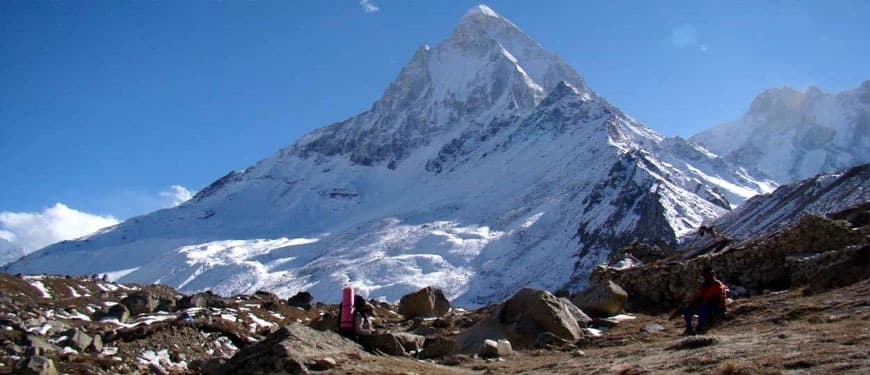
- During peak summer, the mountain sites of Pithoragarh, Kedarnath, and Garhwal will delight mountaineering enthusiasts.
What can you see and do in Uttarakhand?
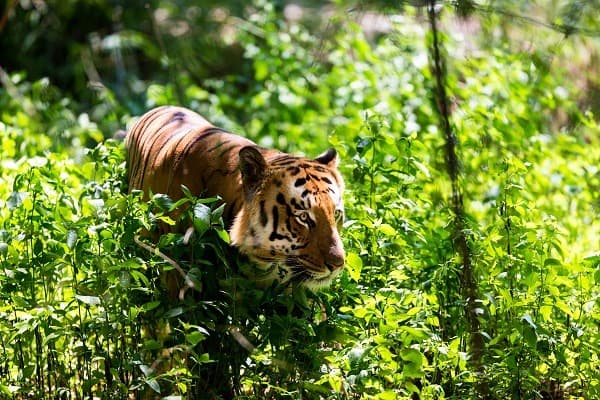
- Photograph iconic Uttarakhand wildlife (Bengal tiger, Himalayan black bear, snow leopard, etc.);
- Discover the authenticity of local cuisine. Recipes are dominated by wheat, vegetables, and dairy products. Dubuk, chutkani, and meat dumplings Koftas are the most well-known specialties;
- Try bal mithai, a delicacy popular among mountain dwellers;
- Visit Rishikesh, the world capital of yoga;
- Enjoy a meditation retreat at the Advaita Ashram center;
- Nainital: enjoy a pleasure boat ride on Nainital Lake;
- Haridwar: a recommended destination for wildlife and flora lovers.
To reach Uttarakhand, several options are available to travelers:
By Air
The Jolly Grant Airport in Dehradun serves as the main gateway to the state of Uttarakhand and offers regular flights from Delhi. Pantnagar Airport is another option, although international flights are typically made via Delhi with a connection to reach the capital Dehradun.
By Road
Uttarakhand's road infrastructure is well-developed, allowing access to the region by car, whether your own vehicle or a rental. The roads offer panoramic views of Himalayan landscapes.
By Train
Several stations serve the state, notably Haridwar, Roorkee, Rishikesh, Kotdwar, and Dehradun. The railway network is a convenient alternative for those wishing to travel comfortably while appreciating the landscapes of northern India.