Vashisht Temple
Vashisht Temple
Just 3 km from Manali, Vashisht Temple combines Himalayan architecture in cedar wood, a statue of the Vedic sage, and natural hot springs at 43-51°C.
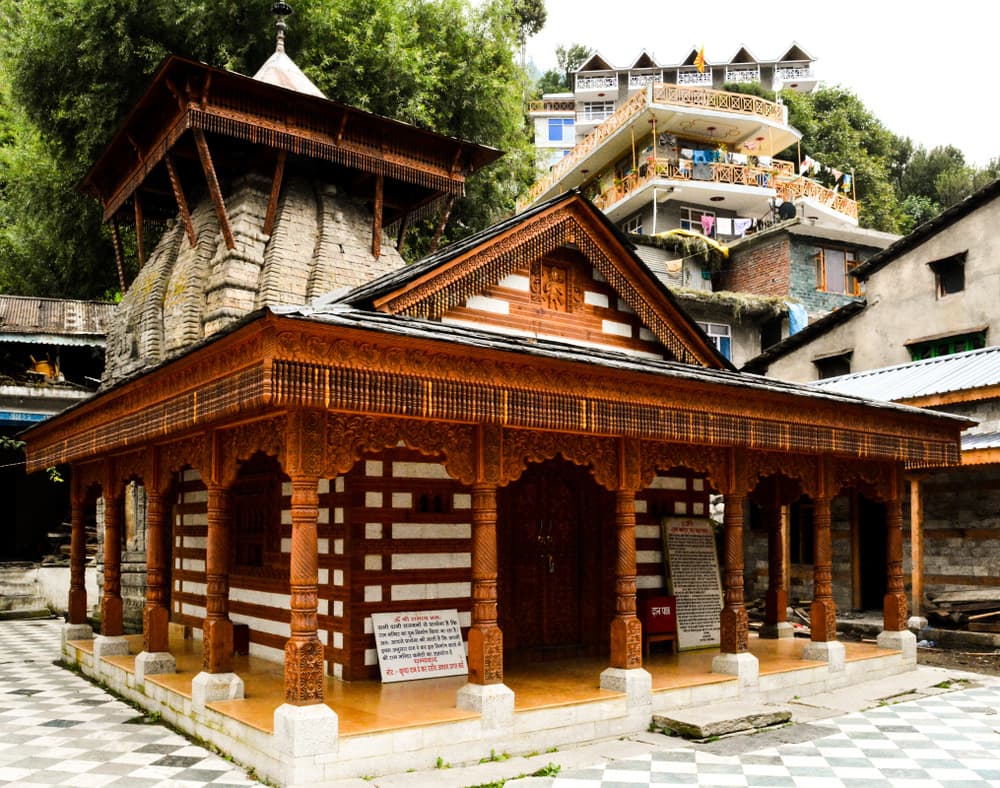
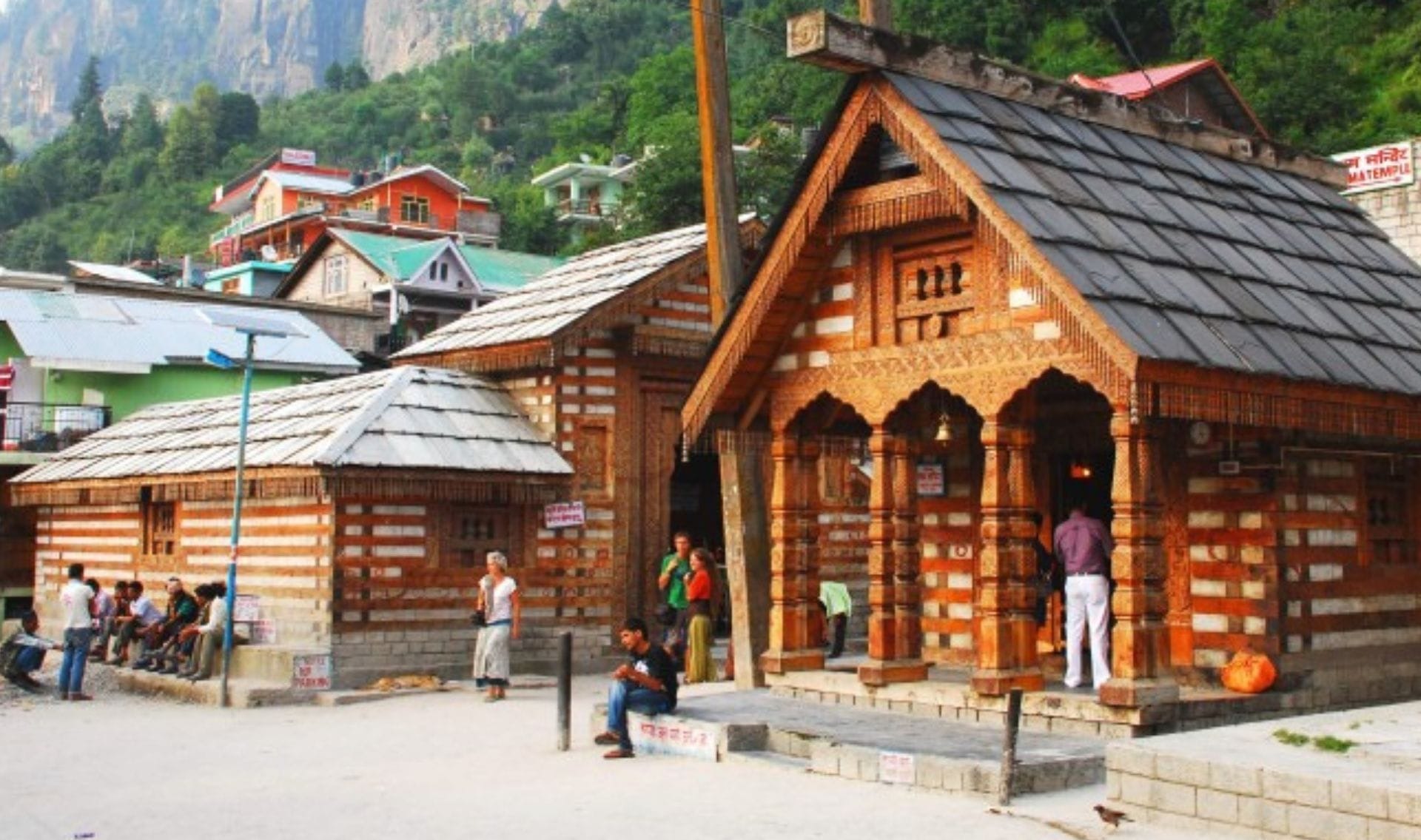
The Vashisht Temple stands 3 km from central Manali, in the Kullu Valley, Himachal Pradesh. Dedicated to the sage Vashisht, one of the seven great sages (Saptarishi) of Hindu Vedic tradition, it unites a place of worship, natural thermal springs, and traditional Himalayan architecture. Local tradition credits it with an antiquity of roughly 4,000 years.
Why Visit Vashisht Temple
The site combines three compelling interests that make it a worthwhile stop during a Manali stay. First, a temple built in cedar wood according to the vernacular Kath Kuni technique, still little documented outside India. Second, thermal baths fed by sulfurous springs, frequented by pilgrims and locals alike. Finally, a Himalayan village setting, within short reach of other sites such as Jogini Falls or Rama Temple. A visit pairs naturally with a half-day walk through the surrounding pine forests.
History and Legend
The temple bears the name of the sage Vashisht, a major figure in Hindu mythology. According to tradition, he maintained a long rivalry with King Vishwamitra, who had his children killed. Overwhelmed with grief, Vashisht reportedly attempted to end his life by throwing himself into the Vipasha River—known today as the Beas River. The waters allegedly returned him safely to the shore. He settled there to meditate for the rest of his life, and the temple was built at this sacred spot.
This 4,000-year antiquity rests more on oral tradition than archaeological dating. The present building, reworked over centuries, nonetheless illustrates an ancient continuity of worship in the valley.
What You'll See On Site
Kath Kuni Architecture
The temple is built in the Kath Kuni technique, unique to Himalayan valleys: alternating courses of dry stone and cedar wood beams, without mortar. This structure provides good resistance to the region's frequent earthquakes and adapts to mountain climate variations. The facades bear carvings of traditional motifs.
Sanctuary Interior
Inside are murals, frescoes, and traditional figurines. At the center, a black granite statue of the sage Vashisht is draped in a white dhoti. The space is confined: circulation is slow and quiet, and shoes are left at the entrance.
Natural Hot Springs
The complex features sulfurous springs whose water, drawn from granitic rock, reaches temperatures between 43 and 51°C. Locals regard them as beneficial for certain skin conditions and muscle pain. Bathing pools are arranged in separate men's and women's zones. Plan 30 minutes to 1 hour of soaking, alternating with cool breaks.
Practical Information
- Dress code: modest, covering clothing, especially during ceremonies.
- Bathing: bring a towel, change of clothes, and plastic bags for wet items.
- Prohibitions: smoking is forbidden within temple grounds. Photography inside the sanctuary is generally discouraged.
- Fees: temple and bath access are usually free. A donation to the box is appreciated.
- Climate: evenings are cool even in summer; a windbreaker is useful.
- Safety: watch for pickpockets in busy areas, and negotiate souvenir prices with vendors.
When to Visit
The Manali region follows a marked seasonality. The most comfortable period runs from late March through June, with mild days and lush vegetation. July and August bring the monsoon: rain makes trails slippery and complicates excursions to Jogini or Jagatsukh. September and October offer a fine balance, with clear skies and gentle temperatures. From December through February, snow may blanket the village; the temple and baths generally remain accessible, but the road from Manali requires caution. The contrast between crisp mountain air and warm spring water is prized in this season.
How to Get There
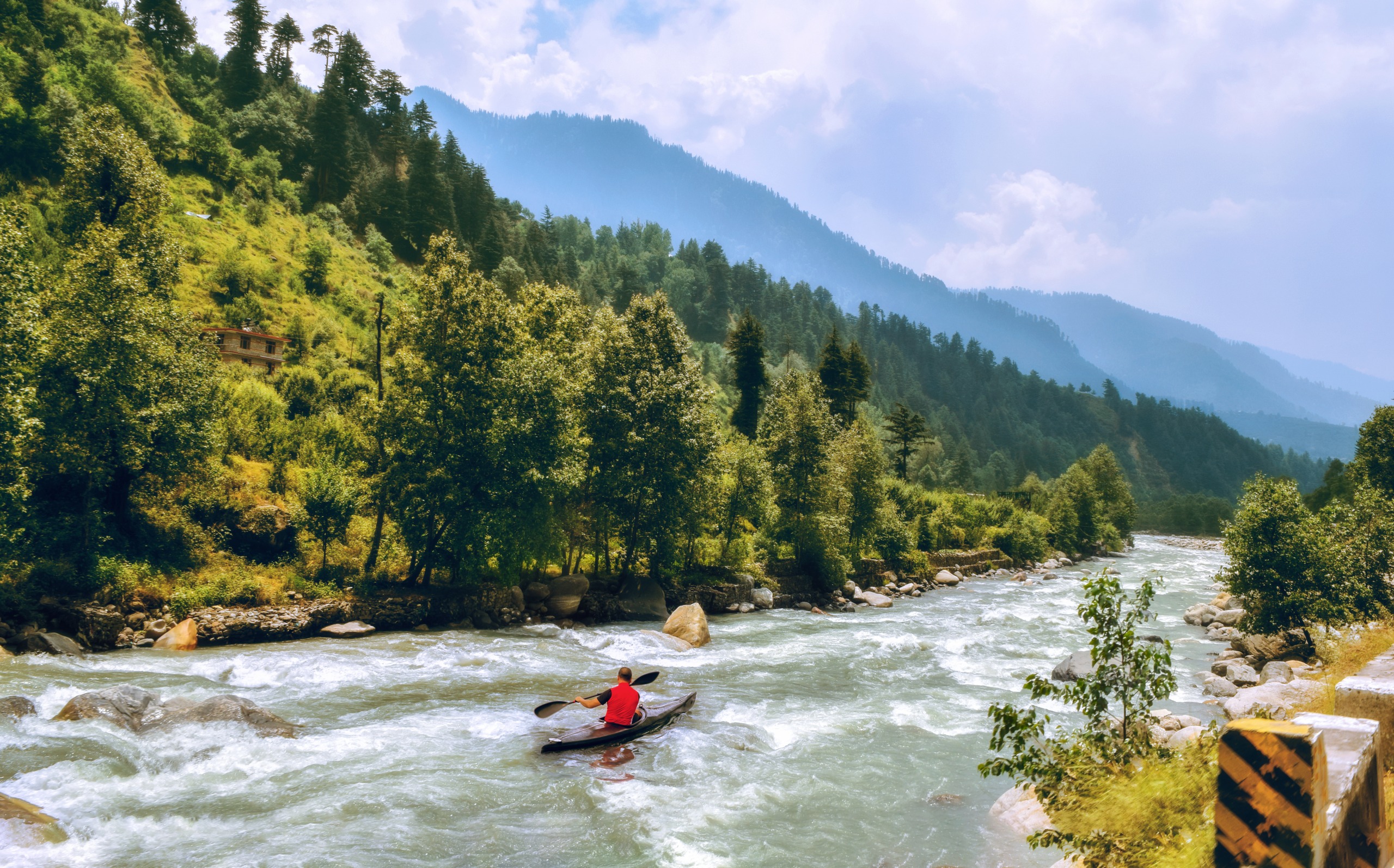
The village of Vashisht lies approximately 3 km from central Manali, on the opposite bank of the Beas. Several options exist:
- On foot: 45 minutes to 1 hour from Mall Road, via a gently climbing road.
- By auto-rickshaw: the most common method, a short ride to negotiate at departure.
- By taxi: practical if combining multiple sites in one day.
Manali is connected to Delhi by overnight bus (12 to 14 hours) and to Bhuntar airport, roughly 50 km to the south.
Nearby Attractions
- Rama Temple: adjacent to Vashisht Temple. It hosts the seven-day Dussehra celebrations.
- Jogini Falls: 2 km away, accessible by roughly 1 hour's hike through pine forests, with views over the Beas Valley.
- Manu Temple: dedicated to the sage Manu, believed author of the Manusmriti, one of Hinduism's foundational texts.
- Hidimba Devi Temple: devoted to Hidimba, wife of Bhima in the Mahabharata.
- Jagatsukh Village: 7 km from Manali, trailhead for the Deo Tibba trek.
- Mall Road: Manali's bustling thoroughfare, perfect for strolling and tasting local cuisine.
Frequently asked questions
Plan Your Journey
Vashisht Temple fits naturally into a circuit across Himachal Pradesh, between Manali, the Spiti Valley, and the Himalayan foothills. To craft a bespoke itinerary, explore our travel suggestions for India.
Interested in this visit?
We can include it in your personalised itinerary.