West Bengal
A cradle of poets, spirituality and intellectual revolution, West Bengal is a land of many faces. Here you'll discover a literate, artistic India, both rooted in its traditions and curious about the world.
A cradle of poets, spirituality and intellectual revolution, West Bengal is a land of many faces. Here you'll discover a literate, artistic India, both rooted in its traditions and curious about the world. Travelling to West Bengal means stepping into a universe where every street corner tells a story. It is a vibrant destination, off the beaten path, that awakens all the senses.
Where is West Bengal Located?
West Bengal is a state in northeastern Inde, masterfully blending millennia of history, cultural richness, magnificent nature and vibrant modernity. Bordered by Nepal, Bhutan, Bangladesh (former East Pakistan) and bathed by the Bay of Bengal, it also shares its borders with the Indian states of Bihar, Odisha, Jharkhand, Sikkim, Assam and Madhya Pradesh to the northwest. Less frequented than classic routes like Rajasthan or Delhi, this state appeals to curious travellers seeking authenticity, heritage and natural diversity.
History
West Bengal has been at the heart of Indian history since antiquity. It was successively dominated by the Mauryas, the Guptas, the Palas (whose dynasty marked a flourishing period between the 8th and 11th centuries AD), and the Senas, before being integrated into the Mughal Empire in the 16th century. Dacca (now in Bangladesh) then thrived through trade in silk, cotton and foodstuffs. Later, the territory fell into the hands of the Marathas, the Afghans and then the British. It should be noted that the Nabobs of Bengal played an essential role in the region before British domination.
In the 18th century AD, the Battle of Plassey in 1757 marked a decisive turning point: it initiated British colonial domination over the province of Bengal, and with it, a major transformation of the local economy and institutions. This takeover was confirmed by the British viceroy, who from the 19th century onwards consolidated the empire's authority over the entire region.
It was only in 1950, after Inde's independence, that the Indian state of West Bengal was officially established, incorporating the former state of Cooch Behar and the French trading post of Chandernagor. Thus, from the early 1950s, the new state was equipped with a legislative assembly to represent its population in the Indian federal democratic system.
But Bengal's history doesn't end there: it was the cradle of the Indian Renaissance in the 19th century. Major figures were born there, such as poet Rabindranath Tagore, the first Asian Nobel Prize winner, Swami Vivekananda, and filmmaker Satyajit Ray, recognized worldwide.
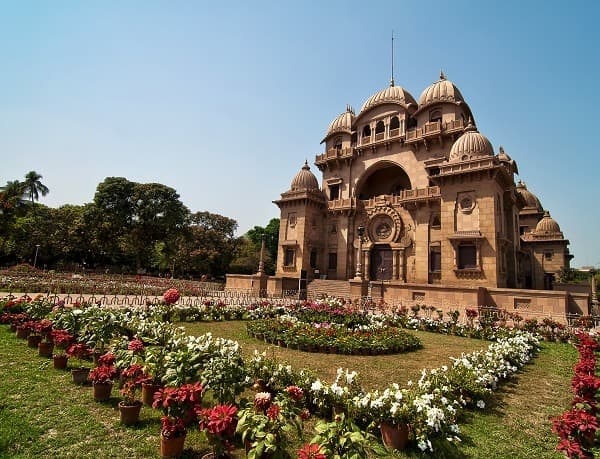
Moreover, Kolkata (or Calcutta) preserves this heritage today through its libraries, prestigious universities (Presidency, Jadavpur), century-old tramways, colonial buildings and the Asiatic Society, one of the oldest research institutions on the continent. It is also worth noting that during World War II, Kolkata played a strategic role as an operational base for Allied forces in the Asian theatre.
Geography and Nature
West Bengal offers impressive geographical diversity, divided into three main zones:
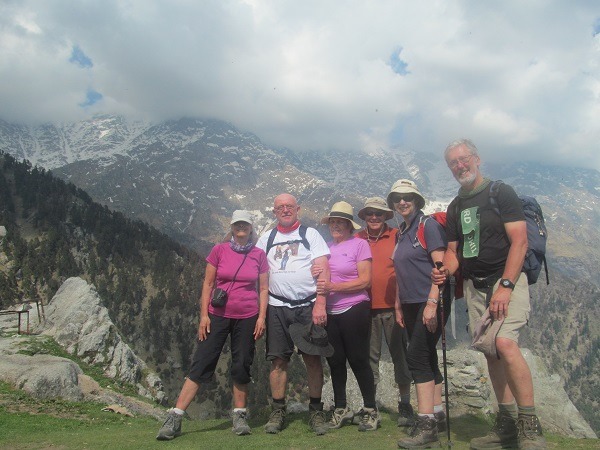
- The mountainous north, around Darjeeling, Kalimpong and Kurseong, with its Himalayan landscapes, tea plantations and colonial heritage.
- The Ganges plain, the agricultural and industrial heart of the state, crossed by countless rivers and canals.
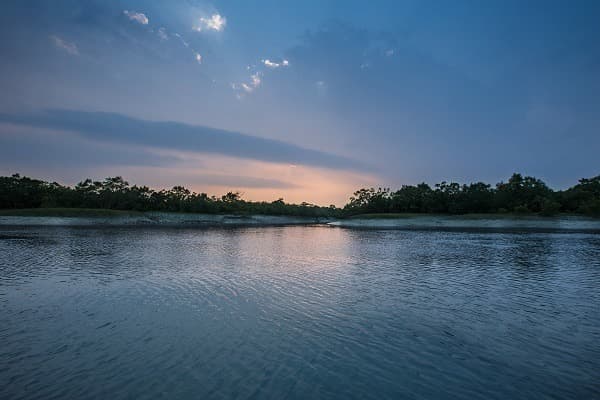
- The Sundarbans delta, the world's largest mangrove forest, a UNESCO World Heritage site, home to tigers, dolphins, crocodiles and unique flora.
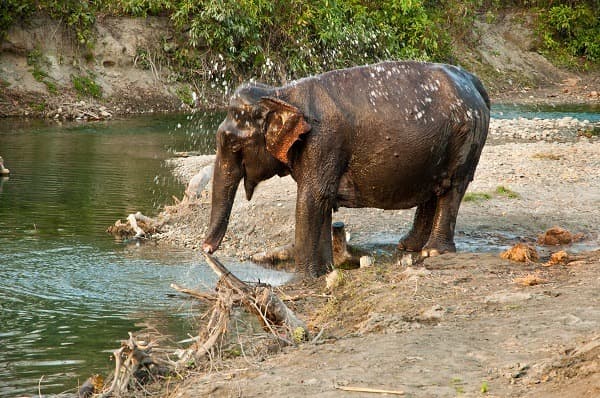
The West Bengal region is brimming with natural wonders: the tea gardens of Darjeeling, the mangrove forests of the Sundarbans, where the legendary Bengal tiger roams, or the rhinoceroses of Jaldapara park, in Jalpaiguri district. On the coast, Mandarmani and Digha offer well-deserved seaside relaxation. As for Kolkata, the former capital of the British Raj, it offers a fascinating immersion into history, art and Indian urban life, notably through its typical markets such as the famous Mullick Ghat flower market.
Among the natural sites not to be missed when travelling to West Bengal are: Jaldapara National Park, Tiger Hill, the Darjeeling "toy train", inscribed on the UNESCO list.
Who are the inhabitants of West Bengal?
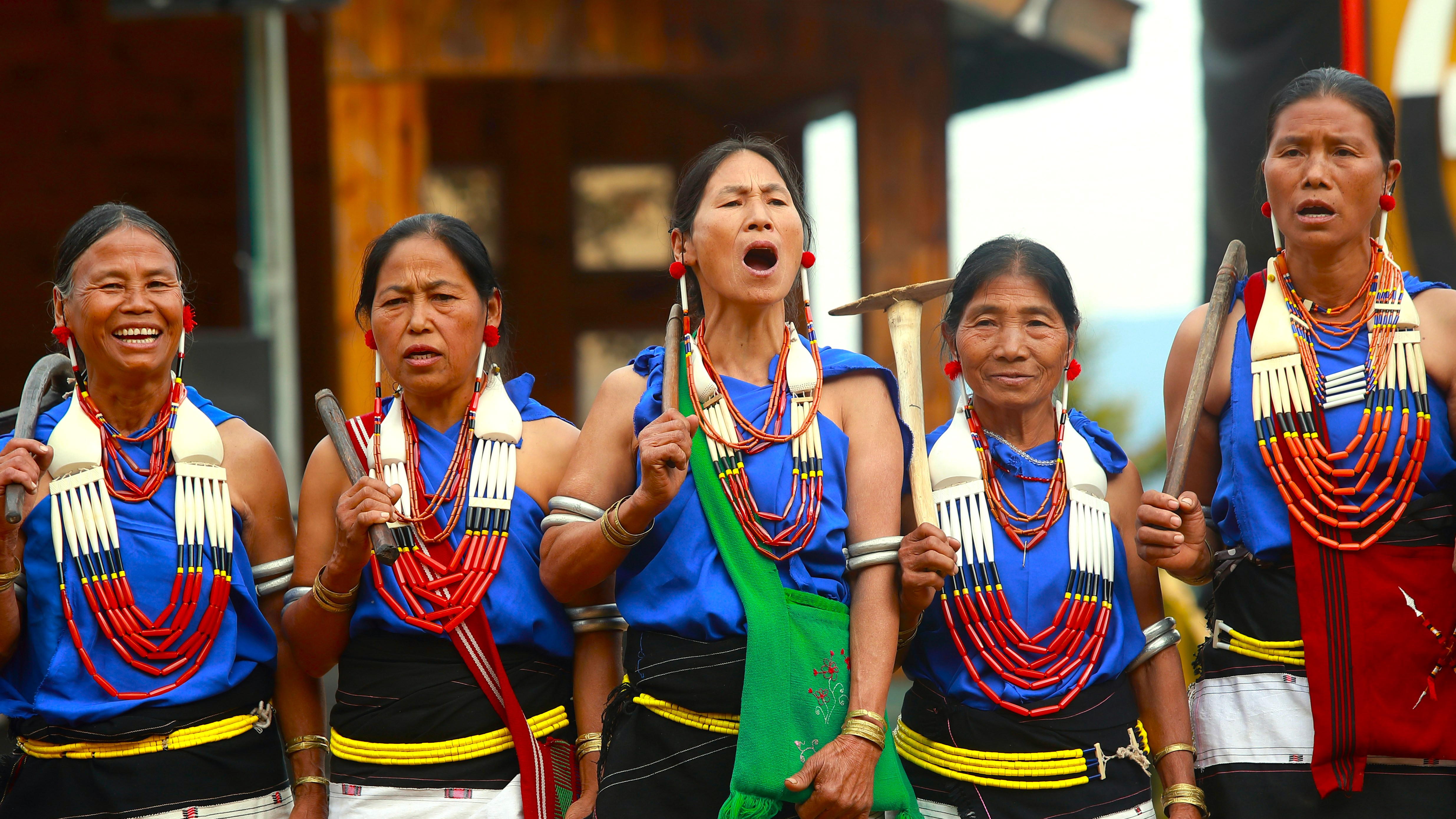
With over 90 million inhabitants spread across 87,853 km², West Bengal is predominantly populated by Bengalis, but also home to many minorities (tribes, Nepalis, Tibetans, Biharis, Muslims). This human mosaic is reflected in the variety of languages, rites and festivals. Bengali is the majority language, but Hindi, Urdu and English are also spoken, particularly in urban areas.
Regarding religions, Hinduism dominates, but Islam, Christianity and Jainism coexist in relative harmony.
What to see in West Bengal?
West Bengal is not short of historic cities and fascinating cultural centres. Here are some emblematic places to explore:
Kolkata
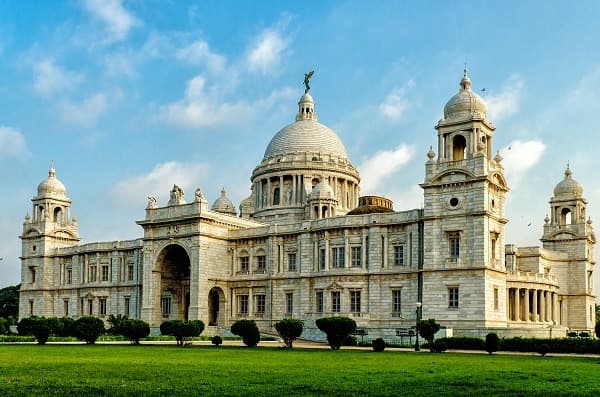
The capital is today undergoing a renewal, leaving behind the image of a miserable city torn by war that inspired Mother Teresa's charity. Many interesting sites are nearby: besides the magnificent St John's Cathedral, which was the official church of the British colonial empire, you will admire Fort William, St Paul's Church and the Victoria Memorial.
Chandernagor
30 km from the capital, Chandernagor has much to offer lovers of museum-cities. This former French trading post is lined with elegant colonial mansions hidden beneath palm trees. A stroll along the banks of the Hooghly is essential to soak up the atmosphere of the old town. Linger at the museum, the French Institute or Goretty Castle, wonderfully perched on a promontory.
Bandel
This town was once a Portuguese trading post, home to the Basilica of the Holy Rosary, which served as both a residence and prayer hall for Augustinian monks. The inscription on the church's cornerstone dates from 1599, making it the first Christian church in Bengal.
Shantiniketan
4 hours' drive from Kolkata, Shantiniketan is a university town founded by Tagore. Among its interesting sites, take a trip to Kala Bhavan, a renowned school of visual arts, conducive to discovering Bengali literature, painting and the region's craftsmanship and beyond. The Uttarayan complex, which houses Tagore's five residences, offers a fascinating immersion into the poet's universe.
Bishnupur
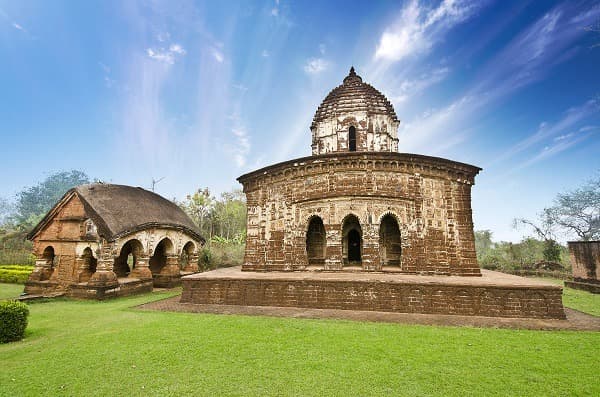
During a stay in West Bengal, stop at Bishnupur, whose terracotta temples, sumptuous frescoes, silk saris and ceramics are the pride of all Bengal. Potter artisans there still pass on their skills to children from primary school to preserve local heritage.
What to do in West Bengal?
To make the most of what West Bengal has to offer, here are some essential experiences:
- Photograph the Bengal tiger, the star of Bengal's wildlife;
- Plan an unforgettable safari at Jaldapara National Park;
- Attend Durga Puja, the state's most famous festival;
- Visit the villages and the magnificent tea gardens of Darjeeling;
- Take a cruise on the Hooghly river, lined with a string of English, French, Danish and Portuguese mansions that testify to the city's colonial past;
- Vibrate to the music of the Bauls, the street singers of Bengal;
- Enjoy seaside relaxation on the Digha Beach coastline.
When to go?
The tropical climate of West Bengal varies by season, which greatly influences the traveller's experience:
- Mid-November to March: the best time to visit, with pleasant temperatures and clear skies.
- April to June: very hot, except in mountainous regions.
- July to September: monsoon season, offering lush landscapes but sometimes inaccessible roads.
West Bengal has efficient transport infrastructure. Here are the main options available:
By air
The state has two main airports, namely Netaji Subhash Chandra Bose Airport, located 39 km from Kolkata city centre, and Bagdogra Airport, located in the city of the same name. Only the first airport handles international flights. The second connects Bagdogra to the northern regions.
By road
Coming to West Bengal by road is very simple and convenient. The state benefits from a dense network of highways connecting it to Bhutan, Nepal and Bangladesh, as well as to major Indian cities. Holidaymakers can choose between private or public buses, or yellow-coloured taxis which are easily recognizable.
By train
Tourists can take high-speed trains, express trains or regional trains. Kolkata is home to the state's two main railway stations: Howrah Station and Sealdah Station. Travelling by rail is a way to reduce your travel expenses if you're departing from Delhi, Mumbai, Chennai or Bangalore.