Ghum Monastery
Ghum Monastery
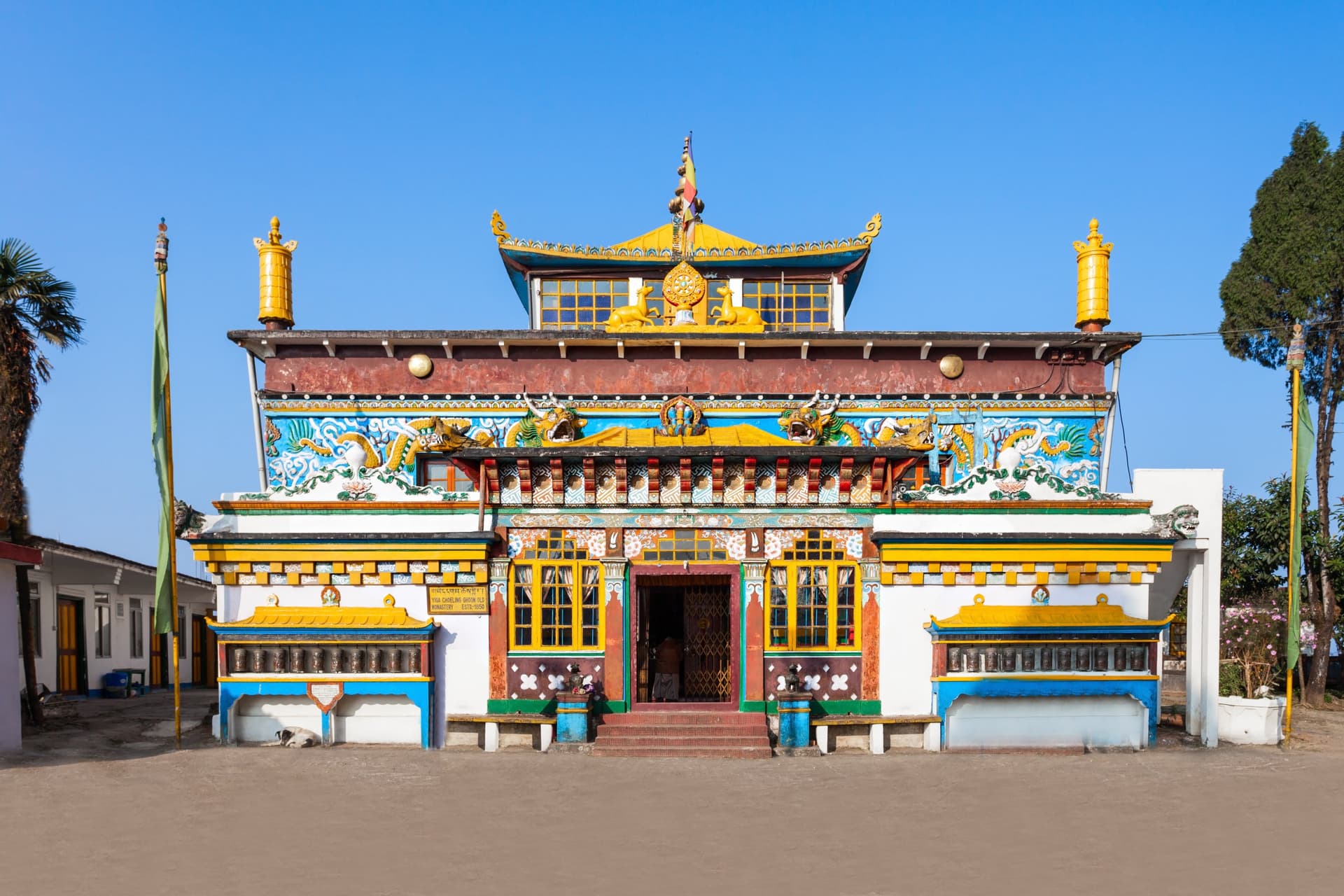
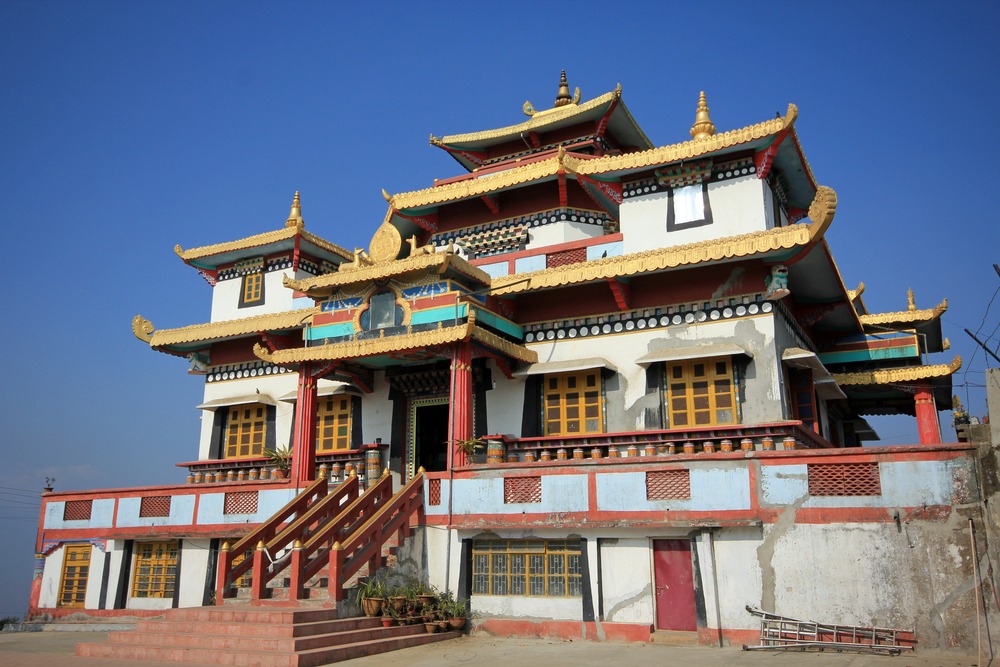
Located 8 km from Darjeeling, the Yiga Choeling monastery houses a five-meter statue of Maitreya Buddha and rare Tibetan manuscripts.
The Ghum Monastery, known by its Tibetan name Yiga Choeling, ranks among the oldest Tibetan monasteries in the Darjeeling region. Affiliated with the Gelugpa school of Tibetan Buddhism, it houses a monumental statue of Maitreya Buddha and a collection of ancient manuscripts that make it an essential stop for understanding the spread of Himalayan Buddhism across West Bengal.
Why visit Ghum Monastery
Situated roughly 8 km from central Darjeeling, this discreet monastery stands out for three concrete features: a five-meter-tall clay statue of Maitreya Buddha, a collection of rare Tibetan manuscripts, and an actively lived monastic practice. Unlike the more tourist-oriented sites in the region, Yiga Choeling remains a living place of worship, funded exclusively by donations from devotees.
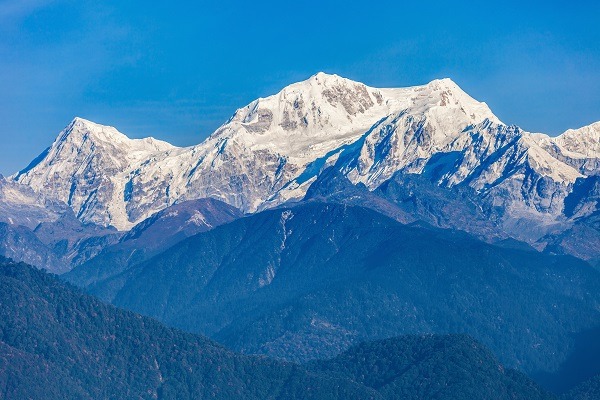
A visit here combines seamlessly with nearby Tiger Hill, making it a natural stop on the way back from sunrise over Kangchenjunga.
A history linked to the spread of Tibetan Buddhism
The monastery was founded by Lama Sherab Gyatso, a monk and astrologer who arrived in India in the 1820s. The officially declared founding date is 1875, making it one of the oldest Gelugpa establishments in the region.
In 1918, a five-meter-tall clay statue of Maitreya Buddha was installed in the main sanctuary. Its cost, estimated at 25,000 rupees at the time, represented a considerable sum, funded by local Buddhist communities. According to tradition, the statue is inlaid with precious stones.
Over recent decades, the monastery has faced difficult periods, both financially and in terms of vocations. It receives no public subsidies from the Indian government or other sources, and operates solely through the donations of devotees.
What to see on site
The Maitreya Buddha statue
Visible upon entering the sanctuary, the gilded statue of the Buddha of the future forms the central focal point of the monastery. Its height and ornamentation make it one of the most striking representations of Maitreya in the Indian Himalaya.
Manuscripts and ritual objects
The monastery preserves several rare manuscripts, notably Tibetan translations of classical Sanskrit works:
- Meghaduta by Kalidasa
- Nagamandala by Sriharsa
- Nyaya Krit by Dharmakirti
It also houses thangkas hung on the walls, ritual bells, prayer scrolls, and drums used during ceremonies.
Practical information
- Distance: approximately 8 km from central Darjeeling, roughly thirty minutes by car.
- Entry: generally free, though a donation is appreciated to support monastery maintenance.
- Photography: permitted, but discretely inside the sanctuary.
- Duration: allow 30 minutes to 1 hour.
- Dress code: shoulders and knees covered, shoes removed upon entering the sanctuary.
Opening hours vary according to prayer schedules. It's best to plan your visit for morning or early afternoon to benefit from natural light inside.
When to visit
The Darjeeling region is best visited between March and June, then from September to November. Monsoon season, July to August, makes mountain roads difficult and often obscures the peaks. Winter, between December and February, offers clear skies but low temperatures at altitude.
Many travelers combine a visit with sunrise at Tiger Hill: the monastery lies on the return route to Darjeeling, making it a natural mid-morning stop.
How to get there
By air: the nearest airport is Bagdogra, approximately 90 km away, with connections to Kolkata, Delhi, and Guwahati. From the airport, allow 3 to 4 hours driving to Darjeeling.
By train: the nearest station is New Jalpaiguri, served from Kolkata, Delhi, Chennai, Mumbai, and Bengaluru. From there, shared taxis and private vehicles reach Darjeeling in about 3 hours.
On site: from central Darjeeling, take a taxi or shared jeep to the monastery. The renowned Darjeeling Himalayan Railway, a UNESCO-listed steam train, also stops at Ghum station, India's highest railway station, just minutes on foot from the monastery.
Nearby
- Tiger Hill: famous viewpoint for sunrise over Kangchenjunga, a few kilometers away.
- Batasia Loop: railway loop and Gurkha memorial on the steam train line.
- Ghum Station: iconic stop on the Darjeeling Himalayan Railway.
- Darjeeling center: tea plantations, Chowrasta and Tibetan market.
To explore other Himalayan places of worship, you can also consult our guide to Alchi Monastery in Ladakh.
Frequently asked questions
Frequently asked questions
Yes. Yiga Choeling is affiliated with the Gelugpa school and still houses monks in practice. Visitors are invited to respect prayer times.
They are the same building. Yiga Choeling is the official Tibetan name; the term "Ghum Monastery" refers to its location in the town of Ghum, near Darjeeling.
Between 30 minutes and 1 hour is sufficient to observe the Maitreya Buddha statue, thangkas, and ritual objects.
Yes, this is actually the most common combination. The monastery lies on the route between Tiger Hill and Darjeeling, allowing you to include it on your return from sunrise.
Access is generally free. The monastery receives no public subsidies: a donation, however modest, contributes to its upkeep.
Include Darjeeling in your trip
Ghum Monastery fits naturally into an itinerary through West Bengal, between tea plantations, steam trains, and the foothills of the Himalayas. To build a custom journey including Darjeeling and its surroundings, consult our trips to India.

Interested in this visit?
We can include it in your personalised itinerary.