Darjeeling
Darjeeling
Tea plantations stretching to the horizon, the UNESCO-listed Toy Train and sunrise over Kanchenjunga: Darjeeling, a Himalayan gem of Bengal.
The city of Darjeeling, located in the Indian state of West Bengal, is a sought-after destination for its mountainous landscapes, cultural richness and British colonial heritage. Nestled in the foothills of the Himalayan mountain range, in northeastern India, it offers subtle vistas composed of tea plantations, towering peaks and architectural treasures waiting to be discovered. At the heart of this city with Tibetan and Nepalese influences, allow yourself to be drawn into a journey of wonder and tranquility, far from the chaos of India's major cities. It is an unmissable destination for travelers seeking authentic experiences.
History
Etymologically, the name Darjeeling derives from the Tibetan expression Dorje Ling, meaning "City of Thunder". In 1780, Darjeeling fell under the control of the Buddhist kings of the small kingdom of Sikkim before Nepali forces arrived to annex it. However, Nepal's rule proved short-lived. The expanding British Empire seized the city in 1816. Following an agreement with the British East India Company, Sikkim regained authority over Darjeeling. In exchange, the kingdom granted the British a right: to manage border disputes in the region.
In 1828, the British undertook the construction of Darjeeling with the permission of Sikkim's ruler. Beyond its strategic military importance, the project also included building a sanatorium for European troops. The Darjeeling hill station was thus established in 1835. The following year saw the creation of the first tea plantations, including the famous "Happy Valley Tea Estate". Until India's independence, the region enjoyed a period of considerable prosperity.
From 1980 onwards, tensions between the Indian government and Darjeeling authorities increasingly affected the region's situation. Since the 1986 riots, calls for the region's independence have gradually emerged, prompting the national government to grant Darjeeling greater autonomy.
Today
Positioned between 2,000 and 3,000 metres altitude in the heart of West Bengal, in northeastern India, the city of Darjeeling has built its reputation around its tea, considered among the world's finest teas. Britain and former British colonies have been the region's main consumers since the 19th century. "The champagne of black teas"—this is the nickname bestowed upon Darjeeling tea by connoisseurs in these countries.
Enthusiasts particularly appreciate it for its lightness and taste, blending floral aromas with a spicy note reminiscent of muscat. The subtle bitterness characteristic of tannins released during infusion completes the profile. Beyond black tea, the region also produces green teas called oolongs. Cultivated at altitude within a defined and non-expandable area, the region's tea plantations are divided into estates, each spanning 80 to 500 hectares.
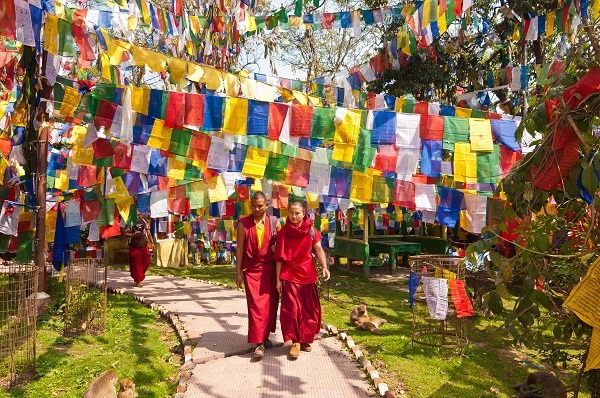
Beyond tea enthusiasts, Darjeeling appeals to adventurers. This tourist destination sits at the gateway to the first peaks of the Himalayas, where you can indulge in trekking. It is also a city steeped in history and culture, inhabited by a diverse population. Buddhists and Hindus, Indians and Nepalis have found refuge in this privileged corner of the subcontinent. Furthermore, Darjeeling has welcomed numerous Tibetan refugees, particularly following the Dalai Lama's exile, further enriching its cultural diversity.
Regarding its architectural heritage, Darjeeling boasts unique monuments waiting to be discovered, not least the magnificent Tibetan and Buddhist monasteries. Inscribed on the UNESCO World Heritage List, the Darjeeling Himalayan Railway, nicknamed the Toy Train, passing through Darjeeling, constitutes an unmissable tourist attraction. This unusual journey offers the chance to admire, in comfort, the region's varied landscapes stretching to the horizon. Do not miss the Darjeeling Zoo either, home to a wide variety of animal and plant species.
When to Visit Darjeeling?
Due to its mountainous location, Darjeeling experiences pleasant temperatures during sunny days and rather harsh cold at night. Nevertheless, the city can be visited in winter, such as November, as although it is quite cold, the sun will warm you throughout the day.
Located to the east of Nepal, the city experiences a monsoon period between May and September. Avoid traveling then unless you have a particular inclination for perilous mountain explorations. The monsoon season contrasts sharply with the intense heat of Indian plains.
Darjeeling is two hours by car from Bagdogra Airport, which connects to all major Indian cities such as Delhi, Mumbai and Bangalore. The journey to the city is typically made by hiring a shared taxi or renting a 4x4.
If you prefer rail travel, New Jalpaiguri station is the closest to the city. After that, you should allow approximately two hours to reach Darjeeling by car, sometimes passing through Kalimpong, situated 50 km to the west.
In Darjeeling, walking is the preferred way to discover all the city's charms. Be sure to pack trekking shoes, lightweight clothing and a hat to fully enjoy your explorations of the city, tea plantations and surrounding hills. However, if you lack the inclination for long walks, you can always rent a bicycle or a rickshaw.
What to Do in Darjeeling?
If you are exploring the region for the first time, here are the activities you must experience to make the most of your stay in Darjeeling:
- Taste the region's teas at a local establishment
- Explore tea plantations such as "Happy Valley Tea Estate"
- Go trekking in the neighbouring hills
- Visit architectural monuments such as "Observatory Hill"
- Take a train ride
- Enjoy a visit to the zoo
- Visit a Tibetan or Buddhist institute
- Stroll the ground floors of old buildings and meet local vendors
- Discover the historical connection with neighbouring Bhutan
Attractions in Darjeeling
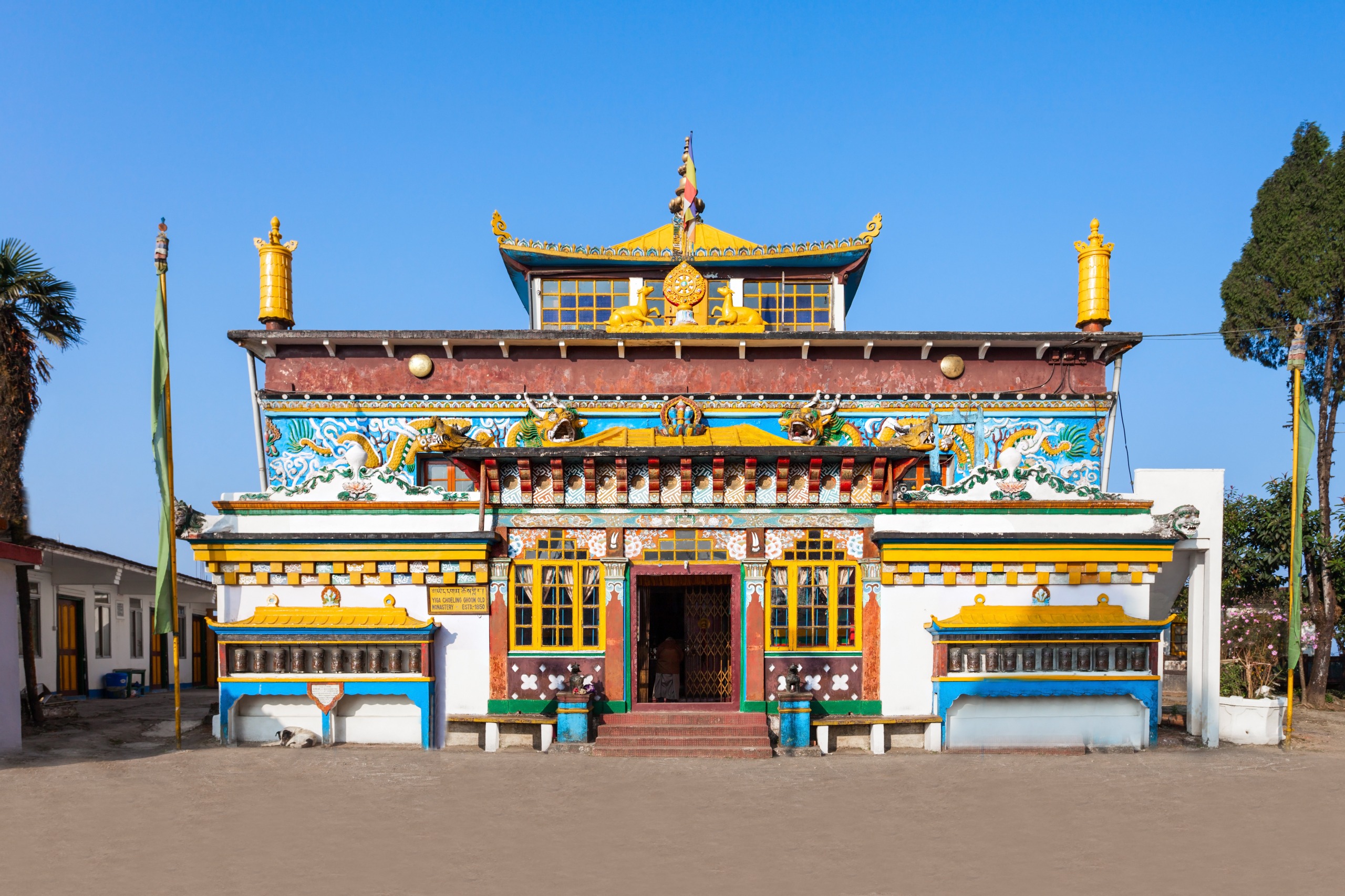
Monastère de Ghum
À 8 km de Darjeeling, le monastère Yiga Choeling abrite une statue de cinq mètres du Bouddha Maitreya et de rares manuscrits tibétains.
Himalayan Mountaineering Institute
École d'alpinisme et musée fondés après la conquête de l'Everest, le HMI de Darjeeling retrace l'histoire des grandes expéditions himalayennes face au Kangchenjunga.
Accommodation in Darjeeling
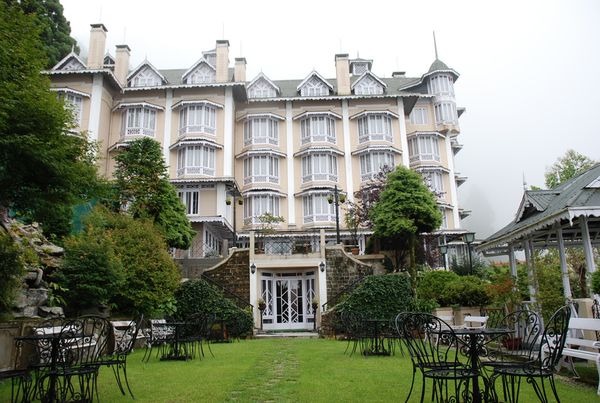
Cedar Inn
Hôtel-boutique de caractère perché au-dessus de Darjeeling, entre forêts à feuilles persistantes et vue sur le mont Kanchenjunga.
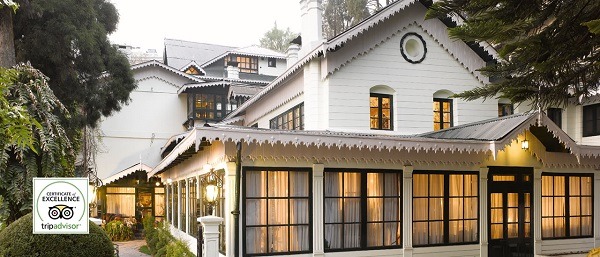
The Elgin Hotel
Hôtel patrimonial au cœur de Darjeeling, l'Elgin perpétue l'héritage colonial britannique avec 25 chambres, un restaurant gastronomique et un salon de thé d'altitude.

Hotel Pink Moutain Darjeeling
Boutique-hôtel de caractère à Darjeeling, avec vue surplombant la ville, salle à manger en teck vieilli et pierre, et cuisine indo-continentale servie tout au long de la journée.
Want to discover this destination?
Our local advisors design your tailor-made trip.