Lakshmi Narayan Temple
Lakshmi Narayan Temple
Inaugurated by Gandhi in 1939, Lakshmi Narayan Temple or Birla Mandir is one of Delhi's major Hindu sanctuaries, open to all faiths.
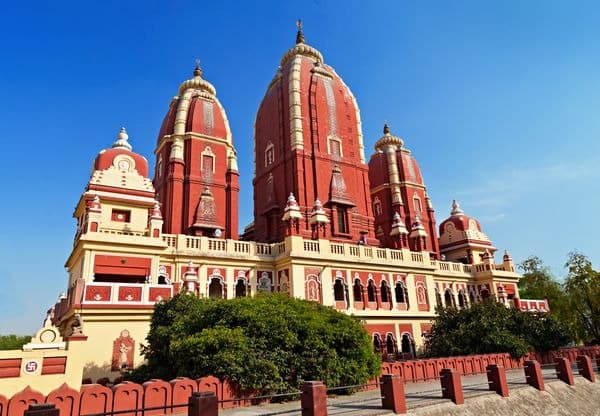
Lakshmi Narayan Temple, also known as Birla Mandir, stands among the principal Hindu sanctuaries of Delhi. Built in 1938 by industrialist Raja Baldev Das Birla, it rises on Mandir Marg, west of Connaught Place, on a 30,000 m² plot combining the main building, gardens and adjoining pavilions.
Why visit Lakshmi Narayan Temple
The site offers an accessible introduction to contemporary Hinduism for those approaching Delhi for the first time. Three elements make it compelling:
- twentieth-century Nagara architecture, grand in scale, legible from the exterior;
- recent history linked to the Birla family and Mahatma Gandhi, who inaugurated the site;
- complete accessibility—the temple welcomes all castes and faiths, which remains rare among major Indian sanctuaries.
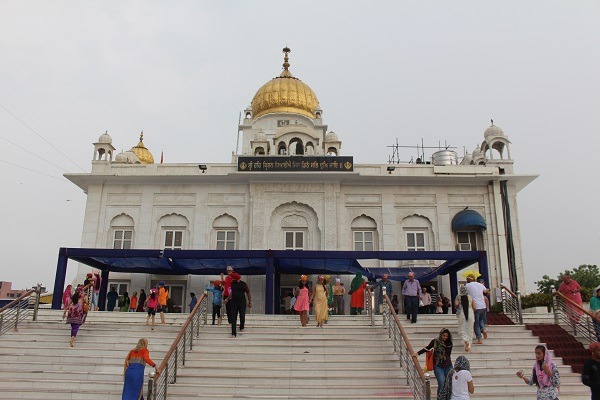
It pairs well with visits to other places of worship in the capital, such as Gurudwara Bangla Sahib or Jama Masjid.
History of the sanctuary
The temple was erected in 1938 by Raja Baldev Das Birla, a major figure in twentieth-century Indian industry. It forms part of a series of temples funded by the Birla family across several Indian cities, including Birla Mandirs in Mathura, Varanasi, Hyderabad and Bhopal—a collection that helped establish a particular aesthetic for modern religious architecture across India.
The inauguration in 1939 was entrusted to Mahatma Gandhi. He accepted on one condition: that the temple remain open to all, including Dalits, who were then largely excluded from Hindu sanctuaries. This declaration, etched into the memory of the place, makes it one of India's first major explicitly non-discriminatory temples on the eve of independence. Maintenance is overseen by the Birla family to this day.
What to see
Nagara architecture
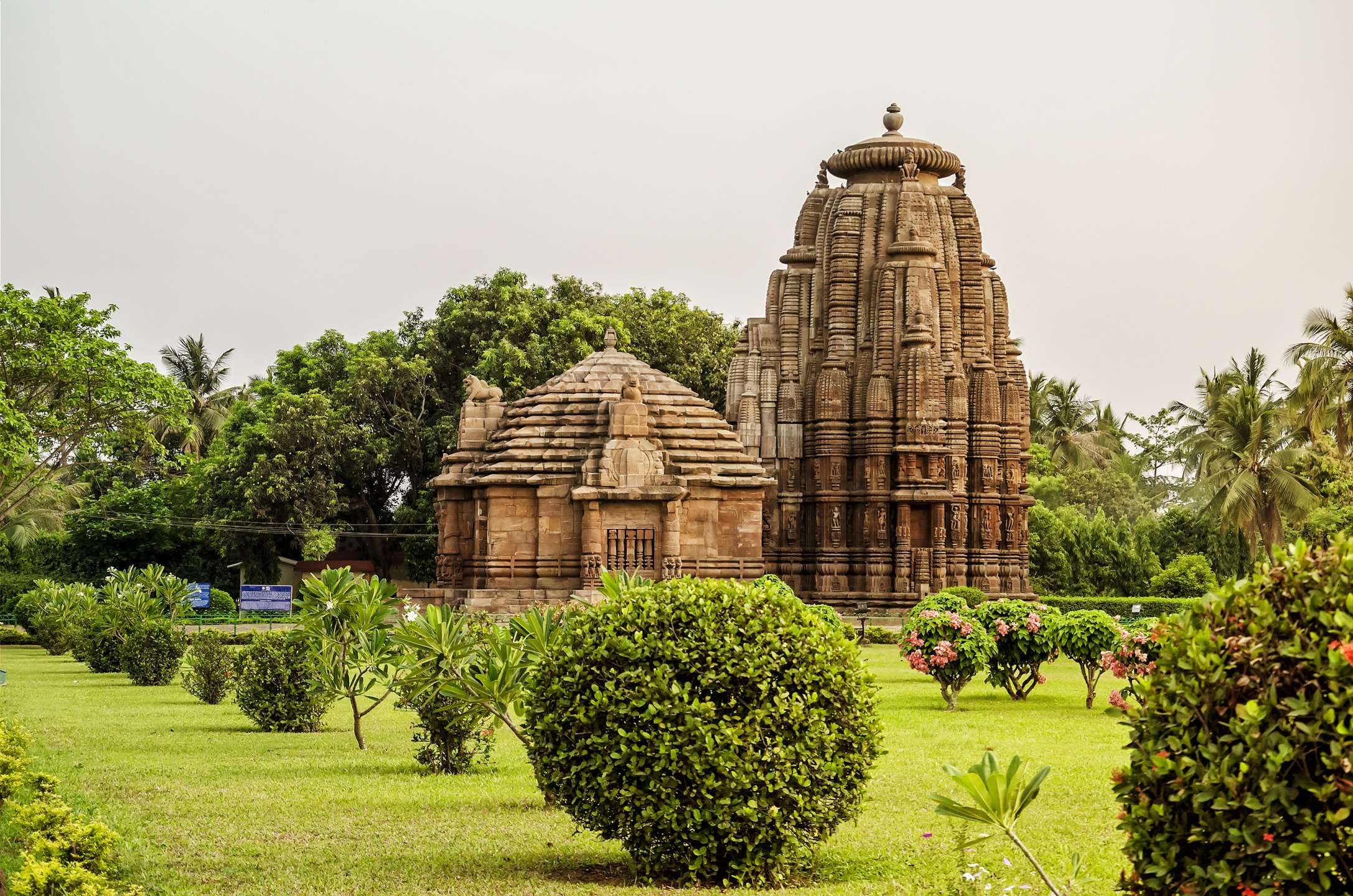
The temple is built in the Nagara style, typical of northern India, recognisable by its curvilinear towers (shikharas) crowning each sanctuary. The main structure rises three storeys on a high plinth and faces east. The façades are adorned with sculptures depicting scenes from the yugas, the cosmic ages of Hindu mythology.
Inner sanctuaries
The central sanctuary is dedicated to Lakshmi, goddess of prosperity, and Vishnu, her consort—hence the name Lakshmi Narayan. Secondary chapels honour Shiva, Krishna, Buddha and Hanuman. Walls are decorated with frescoes illustrating episodes from the great epics and life precepts drawn from Vedic texts.
Gardens and Gita Bhawan
Surrounding the temple, gardens feature fountains, sculptures and representations of deities annotated in Hindi and English, offering a pedagogical reading of the Hindu pantheon. The Gita Bhawan, a pavilion dedicated to the Bhagavad Gita, is used for teachings and recitations.
When to visit
The temple welcomes visitors year-round. October through March offer Delhi's most pleasant climate, ideal for combining a visit with other outdoor sites. The liveliest period is Navaratri, a nine-day festival honouring the Devi, typically occurring in September-October. The temple comes alive with devotional chants, dances and exhibitions of religious art. Janmashtami (Krishna's birth, in August) and Diwali (October-November) are also high points.
For a quieter experience, visit on weekday mornings, outside festival periods.
Practical information
- Admission: free.
- Hours: generally open from early morning to evening; verify locally before visiting, as hours vary according to rituals and festival days.
- Dress code: shoulders and legs covered recommended.
- Shoes: to be removed at the entrance, as in all Hindu temples.
- Photography: cameras and video equipment prohibited inside the complex; phones tolerated but discretion advised.
- Duration: allow 45 minutes to 1.5 hours depending on your interest in architecture and gardens.
How to get there
The temple is easily accessible from central Delhi:
- By metro: the nearest station is RK Ashram Marg (Blue Line), approximately 2 km away. Expect 5 to 10 minutes by auto-rickshaw from the exit.
- By auto-rickshaw or taxi: direct journey from Connaught Place, less than 3 km away.
- By bus: several local routes serve Mandir Marg.
Nearby
The temple's central location allows for easy transitions to other significant Delhi sites:
- Gurudwara Bangla Sahib, the capital's main Sikh temple, about ten minutes away;
- Jama Masjid, Delhi's grand Mughal mosque in the old city;
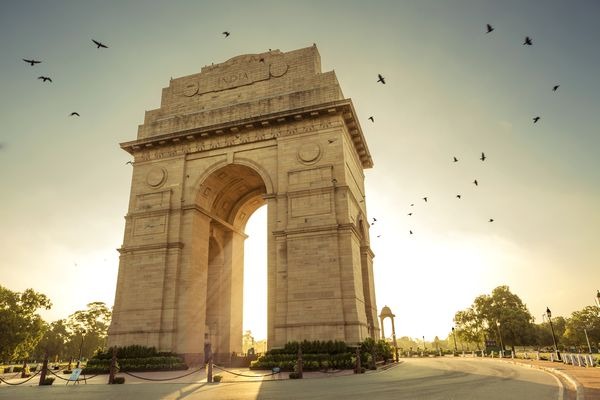
- Connaught Place, the commercial and architectural heart of British-era New Delhi.
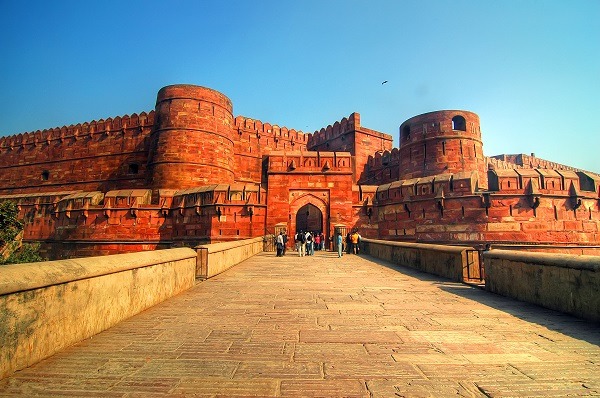
To extend exploration beyond Delhi, Deeg Fort and Fort Jaigarh in Rajasthan offer another perspective on Indian architecture.
Frequently asked questions
Frequently asked questions
Plan your trip
Lakshmi Narayan Temple fits naturally into a one- to two-day stay in the capital, before heading to Agra or Rajasthan. To build a tailor-made itinerary including Delhi and its major sites, consult our journeys in India.
Nearby
Interested in this visit?
We can include it in your personalised itinerary.