Goa
Goa
Coconut-fringed beaches, Portuguese colonial heritage, spiced and fusion cuisine: Goa encapsulates a unique India in less than 4,000 km², to explore from the festive north to the peaceful south.
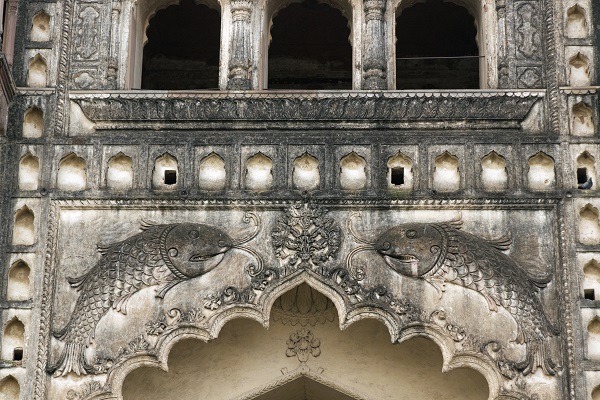
The small State of Goa, located on India's southwestern coast, is one of the country's most popular destinations, cherished by travelers from around the world. Known for its paradisiacal beaches, Portuguese colonial heritage, and festive atmosphere, this destination is a genuine cultural crossroads where Indian and European influences blend with ancestral traditions and modernity. It offers an unforgettable experience combining relaxation and adventure during a trip to India. Whether you're seeking leisure, cultural discoveries, or thrills, Goa will charm you with its unique atmosphere and legendary hospitality.
A Bit of History
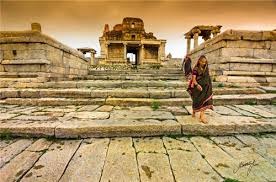
Goa was once a key stop for Christian pilgrims in India. In the 3rd century BCE, the city was part of the Mauryan Empire's territory. Its governance was later taken over by the Satavahanas of Kolhapur, then by the Chalukyas of Badami. Other dynasties settled there subsequently, including a brief Muslim occupation, until the Vijayanagar empire established itself for nearly a century. The rise of the Bijapur sultans ended the latter's reign. Later, it was the turn of the Dutch, the English from the United Kingdom, the French, and the Portuguese to fight for control of Goa.
In 1510, it was finally the Portuguese, led by Afonso de Albuquerque, who managed to conquer the city. Goa remained a Portuguese colony for nearly 450 years. Portuguese domination ended only in 1961, fourteen years after India's declaration of independence. Goa was annexed by the country, but retained its official status as a State.
Languages
It should be noted that Goa's population is multicultural. While Konkani is the official language, other languages such as Marathi, Hindi, and English are widely spoken, which facilitates communication with foreign visitors.
The Beaches of Goa
Goa's beaches are one of the main attractions of the State of Goa. Whether you're seeking tranquility or wish to experience the local nightlife, there's something for everyone:
- Baga Beach: One of the most popular beaches, ideal for party-goers, bar enthusiasts, and water sports fans.
- Anjuna Beach: Famous for its hippie market and alternative atmosphere, this beach is a haven for backpackers and bohemian travelers.
- Vagator Beach: Offering a more peaceful setting, this beach is perfect for watching sunsets and enjoying a relaxed vibe.
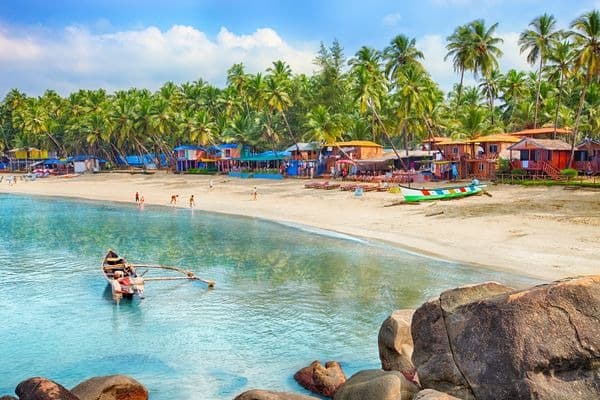
- Palolem Beach: Nestled in a bay bordered by coconut palms, it's one of Goa's most picturesque beaches, ideal for leisure.
- Colva Beach: One of the longest beaches, perfect for romantic walks.
Activities on the beaches include jet-skiing, parasailing, scuba diving, and deep-sea fishing.
Vibrant Culture and Lively Festivals
Goa is renowned for its festive atmosphere and numerous festivals that attract local populations and visitors from around the world:
- Goa Carnival (February–March): Inherited from the Portuguese period, this colorful festival features parades, dances, and music.
- Sunburn Festival (December): One of Asia's largest electronic music festivals, bringing together world-renowned DJs.
- Shigmo Festival (March): A traditional Hindu festival celebrating spring with processions and folk dances.
Fusion Cuisine at Its Finest
Goanese gastronomy is a blend of Indian and Portuguese flavors, with a strong influence from seafood and local spices. Among the must-try signature dishes are:
- Vindaloo: A spicy curry of Portuguese origin, typically prepared with pork or chicken.
- Xacuti: A dish of chicken or lamb simmered in a coconut milk and spice sauce.
- Bebinca: A traditional layered Goanese dessert, made with eggs, coconut milk, and sugar.
- Recheado fish: Fish stuffed with spices and grilled, often accompanied by rice and vegetables.
Goa is also renowned for its feni, a local alcoholic beverage enjoyed by residents and made from cashew nuts or palm sap.
Goa Today
Goa is home to several prestigious academic institutions, notably Goa University, which plays a major role in higher education in India. In terms of scientific research, the National Institute of Oceanography, located in northern Goa, is one of the country's leading ocean research centers.
Moreover, Goa is represented in the Indian Parliament with two seats in the Lok Sabha, the lower house of parliament. The State's administration is led by a governor appointed by the President of India and a member of the government, a Chief Minister.
Attractions
Thanks to its historical significance, Goa's unique heritage remains visible today through emblematic sites such as:
- Basilica of Bom Jesus: Housing the remains of Saint Francis Xavier, this church is listed as a UNESCO World Heritage Site.
- St. Catherine's Cathedral: One of Asia's largest churches, built to celebrate the Portuguese victory over Muslims.
- Fontainbas Quarter: This colorful neighborhood in Panaji, a city in Goa, is a remnant of the Portuguese colonial past with its pastel-painted houses and cobblestone streets.
- Spice Plantations: They offer an immersive visit to discover the secrets of pepper, cardamom, and nutmeg cultivation.
- Bhagwan Mahavir National Park: Home to the spectacular Dudhsagar waterfall, this park is ideal for hiking and nature enthusiasts.
- Local Markets: The night market in Arpora and the flea market in Anjuna are perfect for buying handcrafted souvenirs and tasting local specialties.
Must-Do Activities and Excursions
Beyond its beaches, Goa offers numerous activities for nature and adventure lovers:
- Boat Rides on the Mandovi River: An opportunity to spot dolphins and enjoy a magnificent sunset.
- Exploration of Historic Forts: Fort Aguada and Fort Chapora offer spectacular ocean views.
- Hiking in the Western Ghats Mountains: Molem National Park is home to impressive waterfalls and diverse wildlife.
Climate
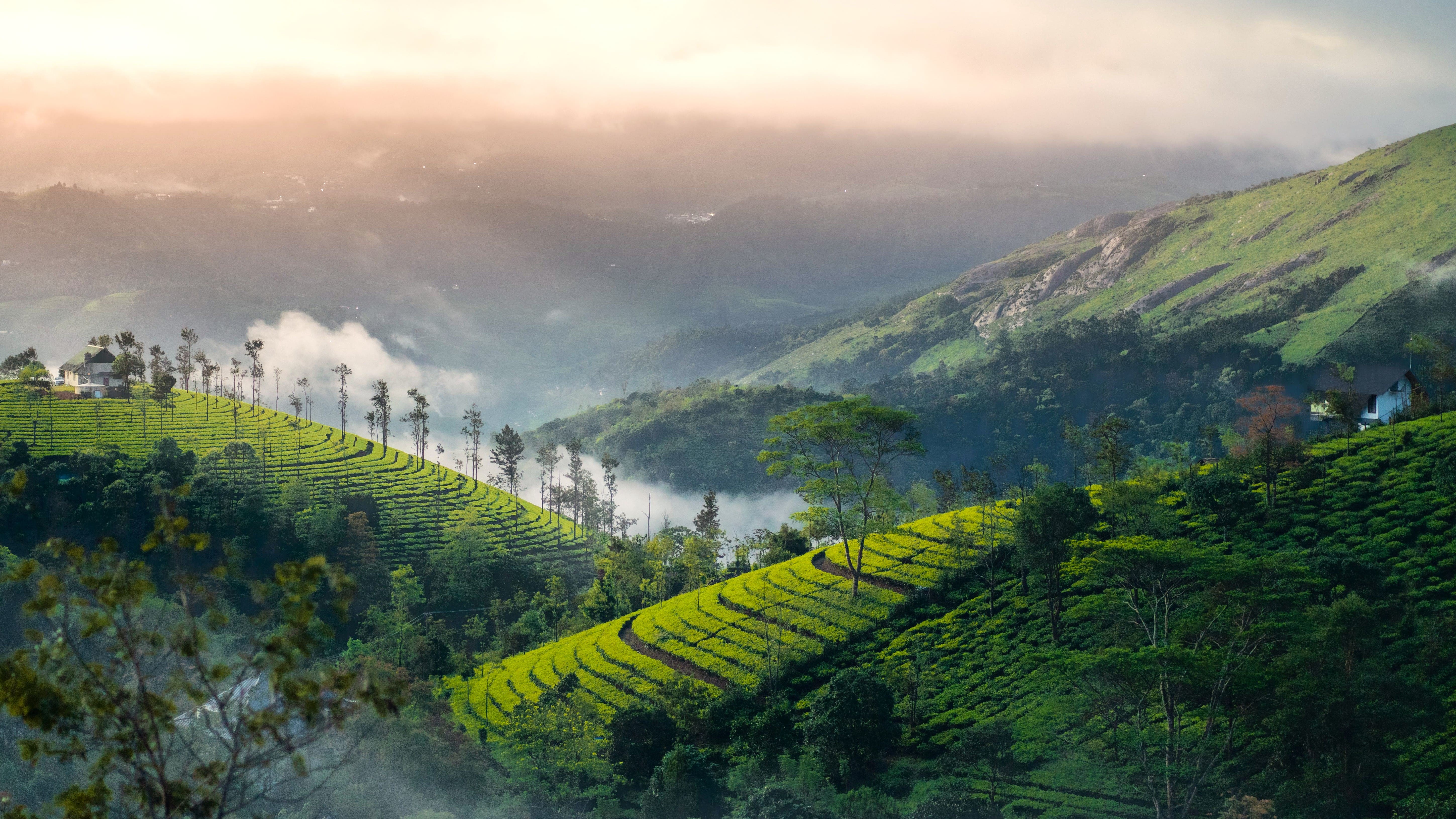
Goa is located in a tropical zone along the Arabian Sea. Throughout the year, the city enjoys a warm, moderately humid climate. Hovering around 35 °C, maximum temperatures are recorded during May. From June to September, rains brought by the monsoon season provide a pleasant transition from the hot period. From December to February, the weather cools moderately, with temperatures between 21 °C and 28 °C. Nights are cooler during the winter season.
The best time to visit Goa thus extends from November to March (high season), when the climate is mild and pleasant. This is also the season for festivals and beach celebrations. The monsoon reveals another face of Goa, wilder and more verdant, though some activities may be limited due to heavy rainfall.
Due to its tourism potential, the city has been provided with good connections by road, air, and rail with other parts of the Subcontinent.
Also known as Dabolim Airport, Goa International Airport is located approximately 30 km from the State's capital, Panjim. Dabolim Airport, situated near Velha Goa, provides connections to major Indian and international destinations.
The State of Goa is equipped with two major rail services: Margao Railway Station and Vasco-da-Gama Railway Station, located respectively 37 km and 28 km from Panjim. Both are connected to major Indian cities, including Chennai, Delhi, Mumbai, and Jaipur. Depending on your itinerary, two additional rail lines are available from Karmali and Thivim stations. Travelers can also opt for the Konkan Railway to travel within the country and explore other regions.
As for road connectivity, Goa is served by National Highways 4A, 66, 366, and 566. Taxis and prepaid buses are available to reach Goa city.
Buses are an efficient and economical solution for getting around Goa. You can choose between public or private vehicles to reach different areas of the city. Another practical means of transportation, motorcycle taxis allow you to navigate narrow alleys inaccessible to large cars. These are recognizable by their white license plates and yellow fenders. In the same category as motorcycle taxis, auto-rickshaws are also ideal for moving quickly and affordably, though journey lengths are limited. Alternatively, taxis and rental cars are at your disposal for exploring the city and surrounding regions.
Attractions in Goa
See all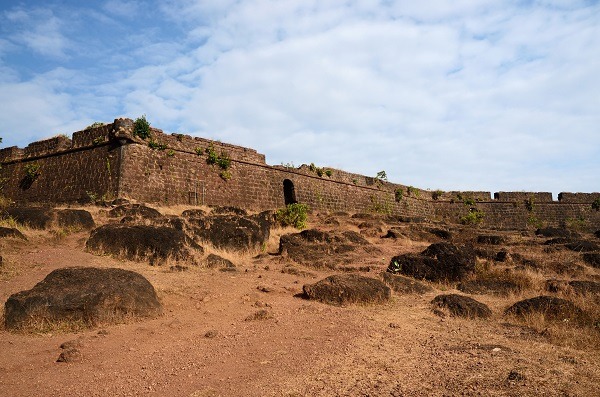
Fort de Chapora
Ruine portugaise et marathe perchée au-dessus de la rivière Chapora et de la mer d'Arabie, dans le nord de Goa. Accès libre, vues étendues, site rendu célèbre par Dil Chahta Hai.
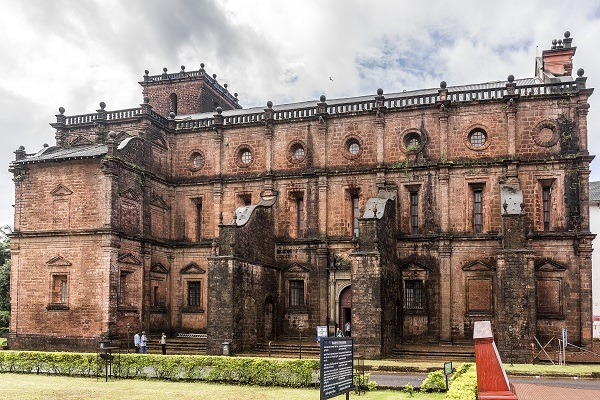
Basilique du Bon Jésus de Goa
Classée à l'UNESCO, la basilique du Bon Jésus de Vieux-Goa abrite le tombeau de saint François Xavier dans un mausolée baroque signé Giovanni Battista Foggini.
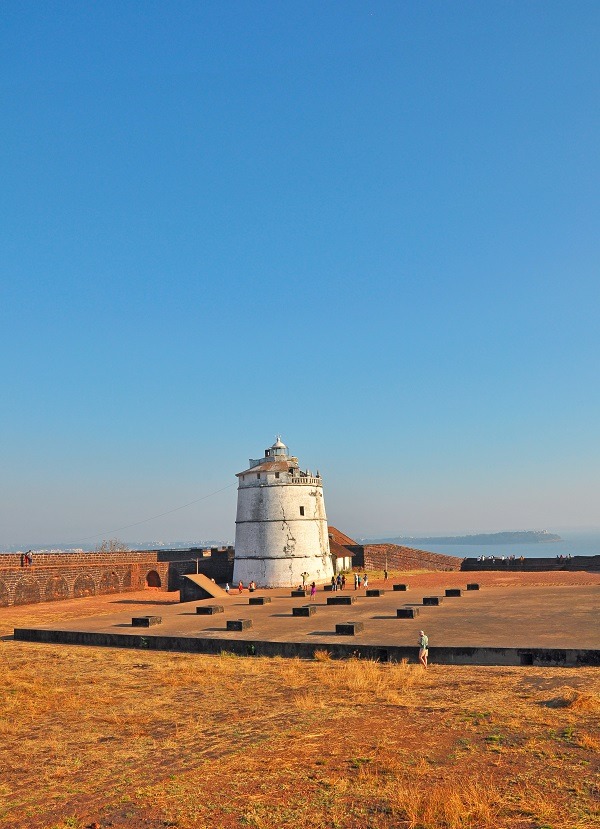
Fort Aguada
Fortification portugaise du XVIIe siècle dominant la mer d'Arabie à Goa : remparts, phare historique, musée de la prison coloniale et plage de Sinquerim.
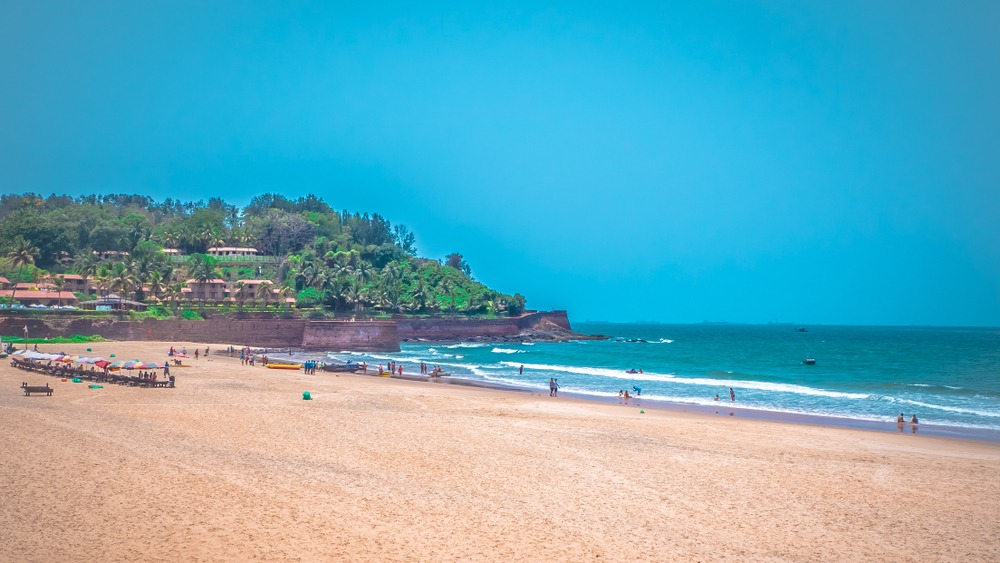
Plage de Candolim
Longue plage du nord-Goa, à 15 km de Panaji, prolongée par le fort d'Aguada. Guide complet : activités, saison, accès et environs.
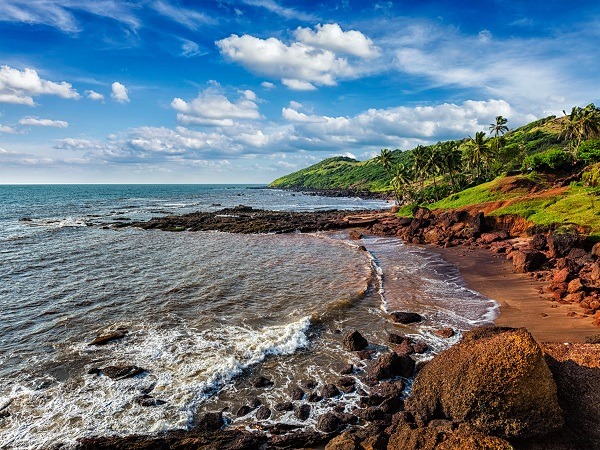
Anjuna Beach
Sur la côte nord de Goa, Anjuna mêle plage, héritage hippie, marché aux puces hebdomadaire et manoirs indo-portugais. Guide complet pour la visiter.
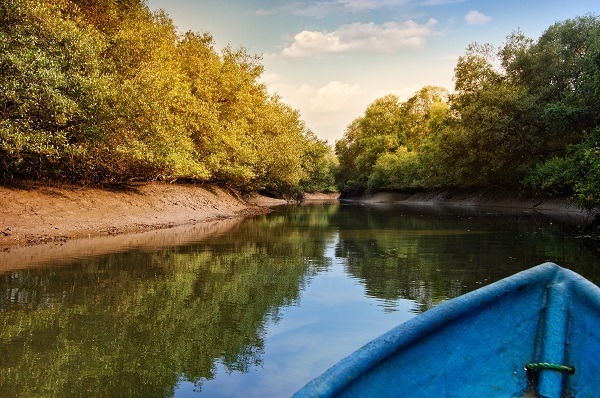
Salim Ali Bird Sanctuary
Réserve de mangrove de 178 hectares sur l'île de Chorao, à Goa. Observation d'oiseaux, balade en bateau et tour de guet le long de la rivière Mandovi.
Accommodation in Goa
See all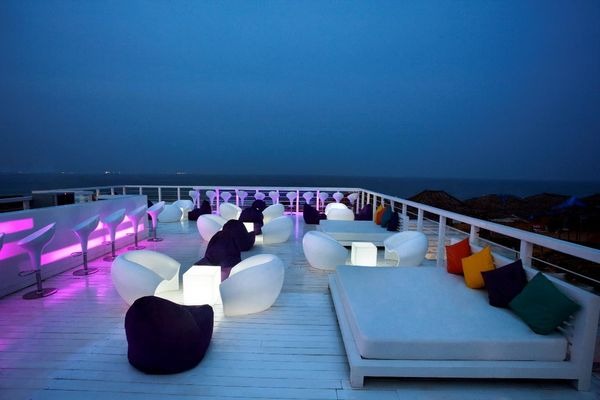
The Park Calangute Goa
Hôtel 5 étoiles de 30 chambres en accès direct sur la plage de Calangute (Nord-Goa), avec skybar, piscine et restaurant à cuisine ouverte.
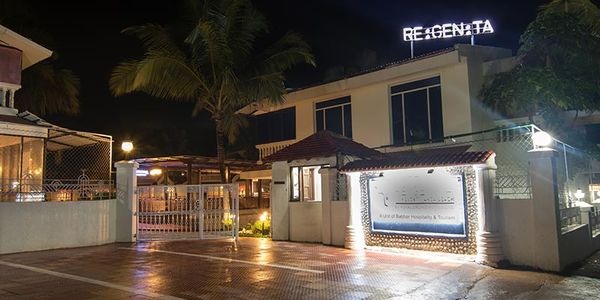
Regenta Resort Varca Beach
Resort de bord de mer à Varca, dans le sud de Goa : 47 chambres et 12 suites, restaurant Aqua Grill au bord de la piscine, accès facile à l'aéroport et à Madgaon.
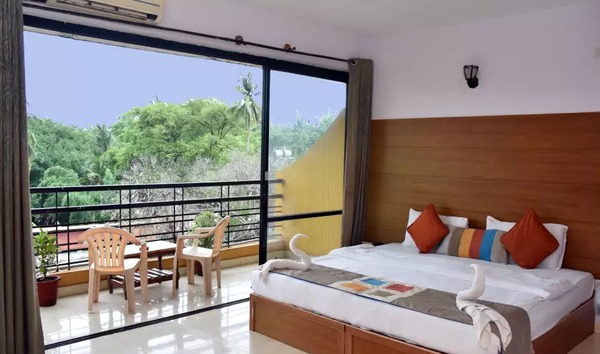
Stay Simple Peninsula Beach Resort
Hôtel de 45 chambres à Calangute, dans le nord de Goa, avec piscine, restaurant multi-cuisine Cardamom et services 24h/24, à proximité immédiate de la plage.
Want to discover this destination?
Our local advisors design your tailor-made trip.