Salim Ali Bird Sanctuary
Salim Ali Bird Sanctuary
A 178-hectare mangrove reserve on Chorao Island, Goa. Birdwatching, boat cruises and observation tower along the Mandovi River.
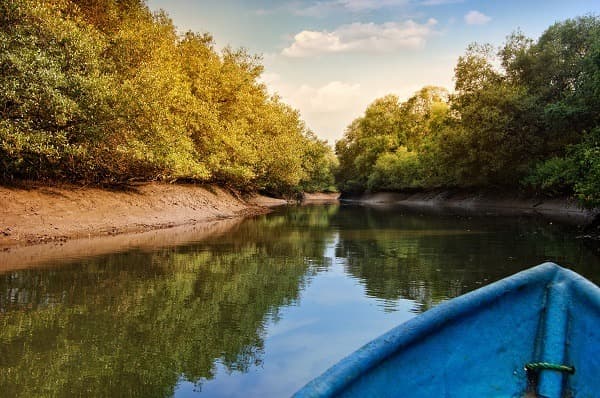
Salim Ali Bird Sanctuary occupies an estuarine mangrove zone on Chorao Island, a few kilometres from Panaji. This protected reserve along the Mandovi River is home to a rich birdlife, reptiles, and a mangrove ecosystem characteristic of the Goa coastline. The site can be explored on foot from a central observation tower or by boat along the channels.
Why visit Salim Ali Bird Sanctuary
This sanctuary is one of the few preserved and publicly accessible mangrove areas in Goa. Spanning approximately 178 hectares, it offers prime birdwatching terrain for ornithology enthusiasts, as well as for travellers interested in West India's coastal ecosystems. A boat ride through the channels provides direct access to the mangrove, an experience that remains uncommon in a region better known for its beaches.
History of the sanctuary
The reserve is named after Dr. Salim Moizuddin Ali, a prominent Indian ornithologist whose work shaped the study of birds across the subcontinent. The area, once an estuarine mangrove without special status, was declared a bird sanctuary in 1988 by Goa's Forest Department. The goal was twofold: to protect local birdlife and preserve the mangrove wetlands, threatened by urbanisation and aquaculture.
What to see and do
The mangrove and its inhabitants
The sanctuary is home to fourteen mangrove species, including scrub mangrove, which serves as a breeding ground for numerous fish and insects. This ecosystem forms the foundation of the food chain that attracts the birds and complementary wildlife present on the site.
Observable bird species
Among regularly spotted species are eagles, herons, parrots, egrets, cormorants, coots, pintail ducks, kingfishers and woodpeckers. Species diversity varies by season, with peaks linked to migratory passages.
Complementary wildlife
Beyond birds, the reserve is home to jackals, foxes, otters, Indian rock pythons and crocodiles. The mudflats also shelter mudskippers, an amphibious fish typical of tropical mangroves.
The observation tower and boat ride
A three-storey observation tower allows birdwatching from three levels, multiplying viewing angles depending on the canopy. A boat cruise through the sanctuary's channels remains the most popular activity for observing wildlife without disturbance. Be sure to bring binoculars and a telephoto lens if you're photographing.
When to visit
The dry season, from November to March, is the most favourable period. Temperatures are moderate, rainfall is minimal, and the arrival of migratory birds from the north greatly enriches observable diversity. The monsoon, from June to September, makes trails difficult to navigate and boat outings uncomfortable. Early morning offers the best viewing conditions, when bird activity is highest and heat is still manageable.
Practical information
The sanctuary is open year-round, generally from sunrise to sunset. Entry fees are modest, with separate rates for Indian and foreign visitors, plus a surcharge for cameras and video equipment. Permission must be obtained from the Chief Wildlife Warden at the Forest Department office in Panaji before your visit, especially for groups or extended photography sessions. Budget 1.5 to 3 hours on-site depending on whether you combine the boat ride and observation tower.
How to get there
The sanctuary is located on the western tip of Chorao Island, along the Mandovi River. Access is by a short ferry from Ribandar, near Panaji, to Chorao Island. Goa's international airport (Dabolim) is approximately 40 km away, and Madgaon railway station, the state's main railway hub, is about 30 km away. From these points, private taxi or auto-rickshaw are the simplest options to reach the ferry terminal.
What to see nearby
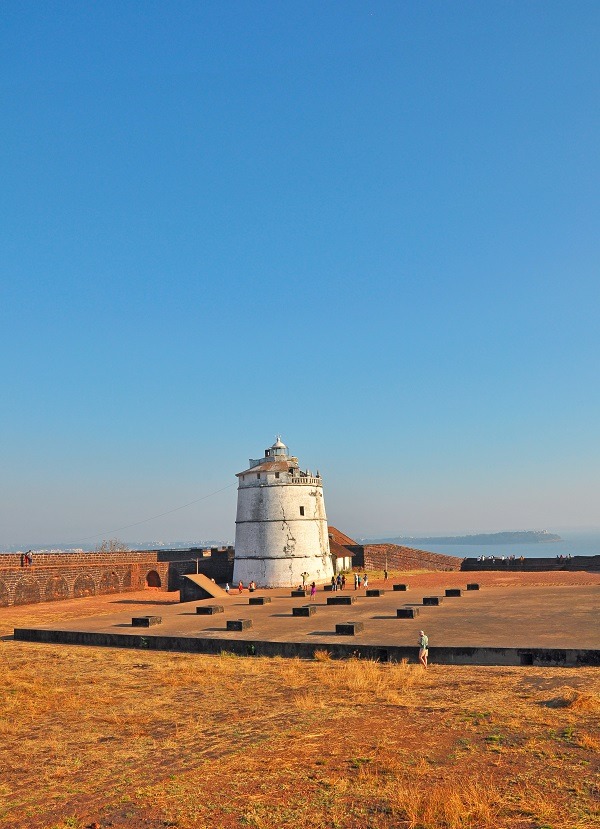
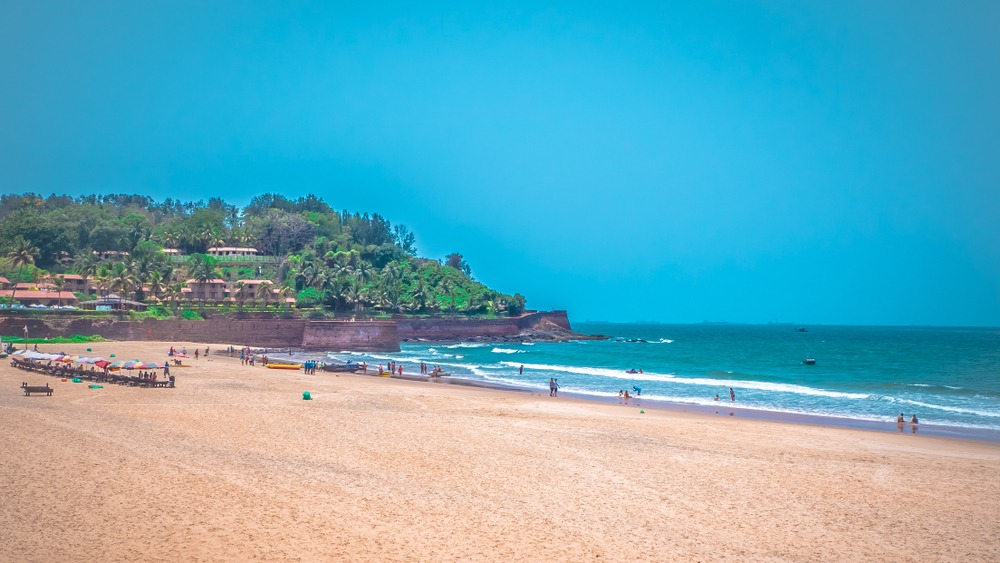
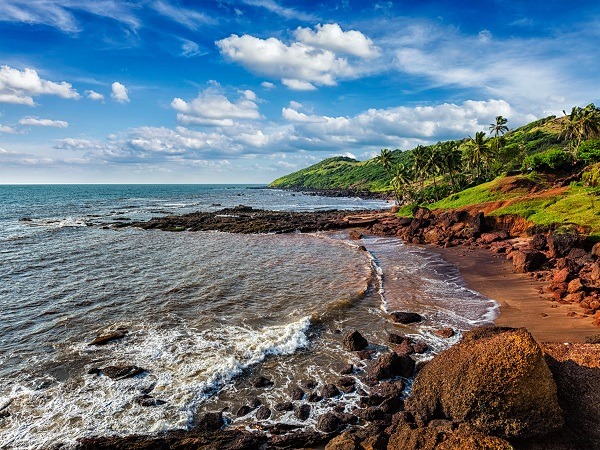
Your visit can be combined with other sites in the region. Fort Aguada, an old Portuguese fortress, overlooks the Mandovi estuary about an hour's drive away. Beach lovers can head to Anjuna Beach in northern Goa. To extend your itinerary beyond the state, the Gateway of India in Mumbai and Dhobi Ghat are urban stops accessible by train or plane.
FAQ
Frequently asked questions
Plan your trip
Salim Ali Bird Sanctuary fits easily into a Goa stay centred on nature, colonial architecture and the coast. To build a tailor-made itinerary including this stop and other regional sites, explore our travel suggestions for India.
Nearby

Interested in this visit?
We can include it in your personalised itinerary.