Anjuna Beach
Anjuna Beach
On Goa's northern coastline, Anjuna combines beach, hippie heritage, a weekly flea market and Indo-Portuguese mansions. Complete guide to visiting.
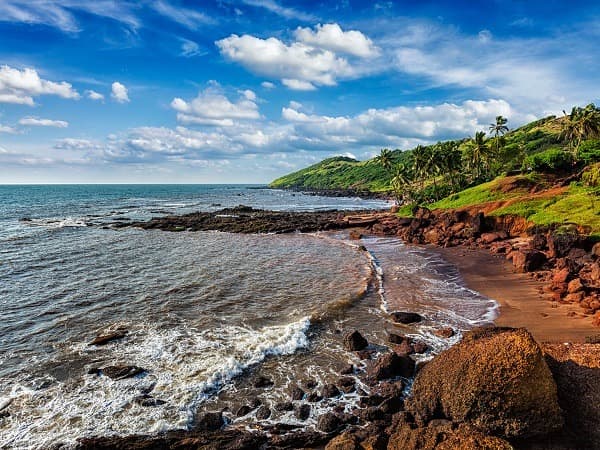
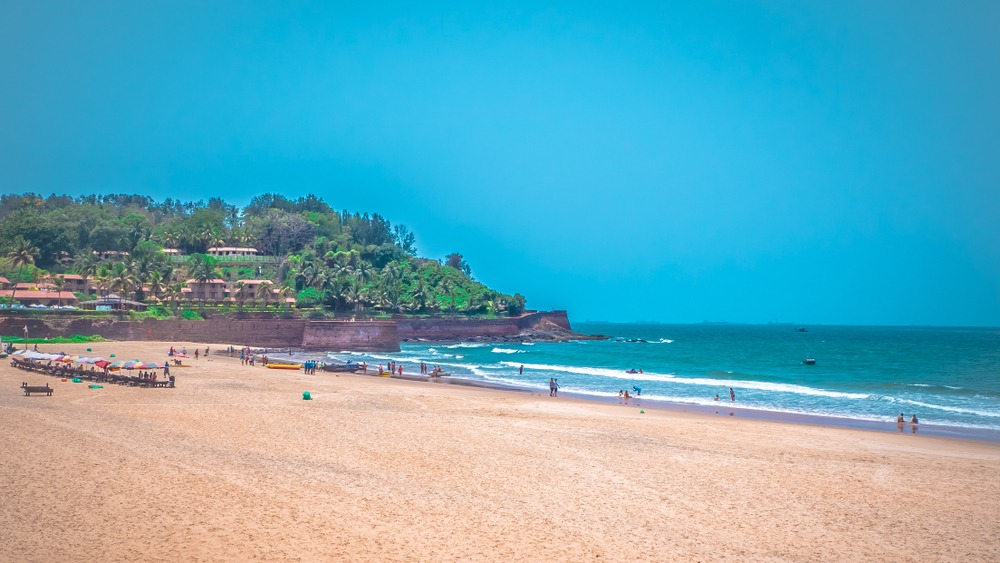
On the north coast of Goa, Anjuna Beach stretches for 2 kilometres of sand lined with coconut palms and reddish cliffs facing the Arabian Sea. Once a hippie refuge turned epicentre of trance culture, the beach retains a singular identity, straddling the line between traditional Goan fishing village and alternative seaside resort. Its weekly flea market and hinterland rich in Portuguese mansions make it a well-rounded stop, far beyond a simple seaside swim.
Why visit Anjuna Beach
Anjuna stands apart from its more touristy neighbours (Baga, Calangute) through a more laid-back atmosphere and a music scene inherited from the 1970s. Travellers come for three main reasons: to enjoy a beach less built-up than south Goa, to frequent the hippie flea market that brings together artisans, creators and musicians, and to explore an Indo-Portuguese architectural heritage still little known. The immediate proximity of Chapora Fort and neighbouring beaches (Vagator, Ozran) also make it a good base for exploring the north of the state.
A history between Portugal and counterculture
Goa remained a Portuguese enclave for over four centuries before gaining independence in 1961 and then joining the Indian Union. This long European presence is still evident in the architecture of mansions, Catholic family names and local cuisine.
In the 1970s, Anjuna became a sanctuary for Western hippies seeking spirituality and affordable beaches. From the fusion of Eastern spiritual traditions and Western artistic influences emerged the first outdoor rave parties, followed by the trance nights that gave Goa its reputation for nightlife in the 1990s. This past remains today an integral part of the place's identity, even if the regulation of parties and the arrival of more mainstream tourism have tempered the atmosphere.
What to see and do
The hippie flea market
The market runs on Wednesdays and Saturdays, from 9am until sunset. A direct heir to the barter sales organised by hippies in the 1970s, it today brings together Tibetan artisans, Rajasthani merchants, Goan creators and street food stalls. Textiles, silver jewellery, sculptures, spices and musical instruments make up the bulk of the offering. Best to negotiate prices and arrive late in the day for the light.
Albuquerque Mansion
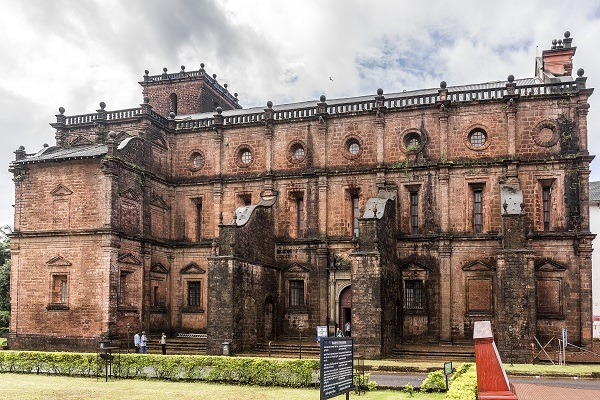
Located 1 to 2 km from the beach, this Indo-Portuguese mansion is recognisable by its Mangalore tile roof and octagonal tower. It is one of the rare accessible examples of how the great Goan families lived during the colonial era.
Mascarenhas Mansion
Also situated 1 to 2 km from the beach, it stands out for its balconies adorned with floral carvings and its traditional Goan stained glass windows (using translucent shells in place of glass).
Chapora Fort
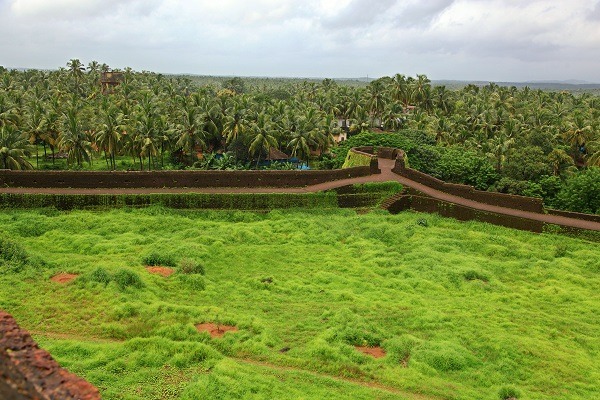
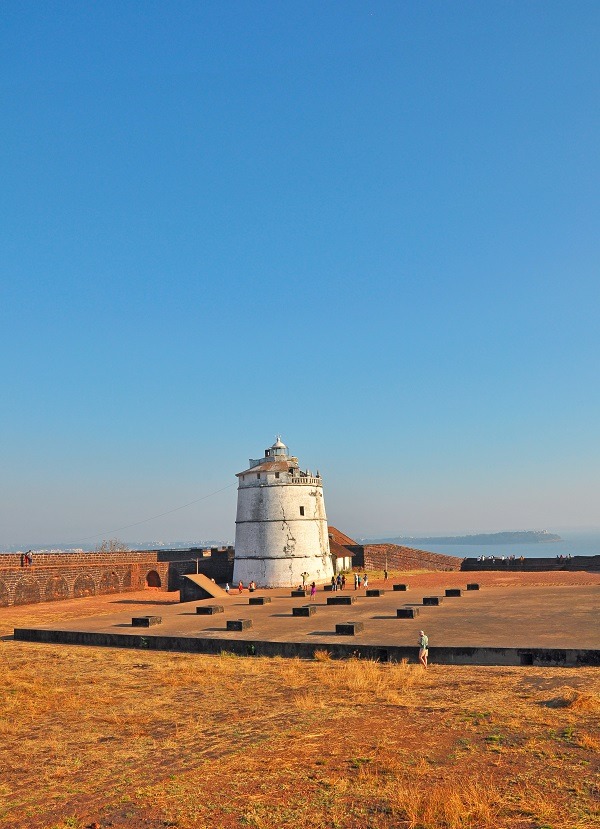
Built by the Portuguese in the 17th century on older foundations, the fort overlooks Anjuna and Vagator beaches from a rocky headland. Only the ramparts remain, but the view of the coast at sunset justifies the twenty-minute climb from Chapora village.
Beach activities
Swimming, jet-skiing, parasailing and banana boat rides are offered by operators based on the sand. Swell can be strong in shoulder seasons, so caution with children. Full moon evenings and year-end celebrations (Christmas, New Year) remain the liveliest times.
When to visit
The recommended period runs from November to February: clear skies, mild temperatures and calm seas. March to May are considerably hotter and more humid. The rainy season, from June to October, brings heavy precipitation (over 300 mm in the wettest months) that closes part of the beach establishments. It is also in peak season (December-January) that night markets and major celebrations concentrate.
How to get there
Anjuna is located on the north coast of Goa, approximately 18 km north of Panaji, the state capital.
- By train: Thivim station, approximately 19 km away, is the closest. Karmali station, approximately 29 km away, also serves Anjuna from the south of the country.
- By road: the NH17 national highway connects Anjuna to Panaji and Mapusa, the northern Goa transport hub, where long-distance buses arrive from Mumbai, Pune and Bangalore. From Mapusa, local buses and taxis reach Anjuna in about twenty minutes.
- By air: Dabolim International Airport and the new Mopa Airport serve Goa from India's major cities and several international capitals.
Nearby
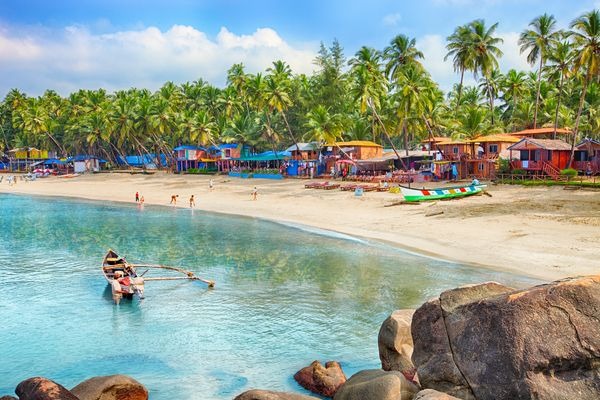
Anjuna makes a good base for exploring north Goa. Vagator and its beach framed by red cliffs are 2 km away, followed by Chapora village and its fort. Further south, Baga and Calangute offer a more commercial atmosphere. To place Anjuna in the broader regional context, consult our Goa guide.
Frequently asked questions
Frequently asked questions
Preparing your trip
Anjuna fits easily into a wider circuit in western India, combined with Mumbai, Karnataka or Kerala. To build your custom itinerary, explore our travel suggestions in India.
Nearby
Interested in this visit?
We can include it in your personalised itinerary.