Taj-ul-Masajid
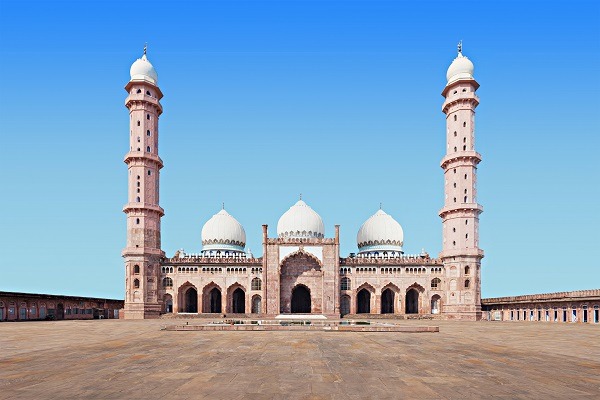
The Taj-ul-Masajid, the 'crown of mosques', dominates Bhopal with its pink minarets. Built under the Nawabs in the 19th century, it is one of India's largest mosques and an architectural symbol of the city.
The Taj-ul-Masajid — literally 'crown of mosques' — rises in the heart of Bhopal, capital of Madhya Pradesh. With its two pink minarets soaring over 18 storeys and its vast interior courtyard, it ranks among India's largest mosques. Built under the Nawabs of Bhopal in the 19th century, it remains an active place of worship and a major architectural landmark of the city.
Practical information at a glance
- Entry: free for non-Muslim visitors (donation appreciated)
- Dress code: head covered, shoulders and legs covered for everyone
- Shoes: must be removed before entering the premises
- Closure to non-Muslims: during the five daily prayers
- Recommended duration: 30 to 45 minutes
- Access: Bhopal city centre, reachable by auto-rickshaw from the main railway station
What to see
The main façade strikes with its two octagonal minarets crowned with bulbous domes, painted in a characteristic pale pink. The main prayer hall can accommodate thousands of worshippers. The paved courtyard, vast and open, offers a complete perspective of the entire building. A small ablution basin occupies the centre of the esplanade.
History and context
Construction begins under the reign of Shah Jahan Begum, Nawab of Bhopal, in the second half of the 19th century. Work spans several decades and is only completed after India's independence, in the 1970s, thanks to funds raised at an annual Islamic gathering, the Ijtema. This late participatory funding explains the composite style of the building, blending Mughal and colonial influences.
Highlights of the visit
The pink minarets
Standing approximately 18 storeys tall, they dominate Bhopal's skyline. Their rosy hue shifts with the light: golden at sunrise, nearly white at noon. They form the city's most recognizable photographic motif.
The interior courtyard
The esplanade can accommodate tens of thousands of worshippers during major prayers. Outside prayer hours, the space is calm and conducive to observing the architecture. The side galleries shelter finely carved sandstone arcades.
The annual Ijtema
Each year, the mosque hosts a major Islamic gathering that attracts pilgrims from across India. The city transforms; the mosque's surroundings become a temporary settlement of considerable scale.
Etiquette and visiting rules
- Cover your head before entering — scarves are sometimes provided at the entrance.
- Remove your shoes at the threshold of the inner premises.
- Avoid prayer times (Fajr, Dhuhr, Asr, Maghrib, Isha) if visiting as a non-Muslim.
- Speak quietly and avoid inappropriate gestures in the prayer hall.
- Ask permission before photographing worshippers.
Photography tips
Early morning light (shortly after sunrise) tints the minarets a warm pink ideal for photography. Position yourself at the back of the courtyard to frame both minarets symmetrically with the central dome. Late afternoon light brings out the reliefs of the arcades. Photography is permitted in the courtyard; avoid photographing the interior of the prayer hall.
Location and access
The Taj-ul-Masajid is located in old Bhopal, near the Upper Lake. The surrounding neighbourhood, dense and commercial, is typical of the old city. From Bhopal Junction railway station, an auto-rickshaw provides easy access. The site is not wheelchair accessible due to access steps and the uneven courtyard surface.
Nearby attractions
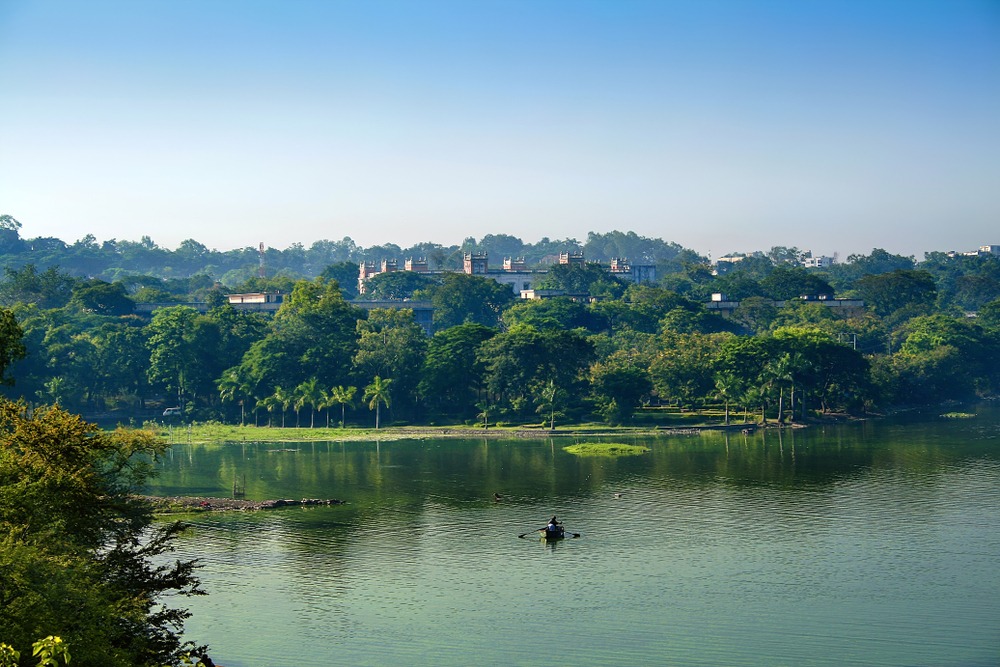
- Upper Lake — India's largest urban lake, a few minutes' walk away, ideal for an evening stroll.
- Shaukat Mahal — a hybrid Indo-European building from the 19th century, located in old Bhopal.
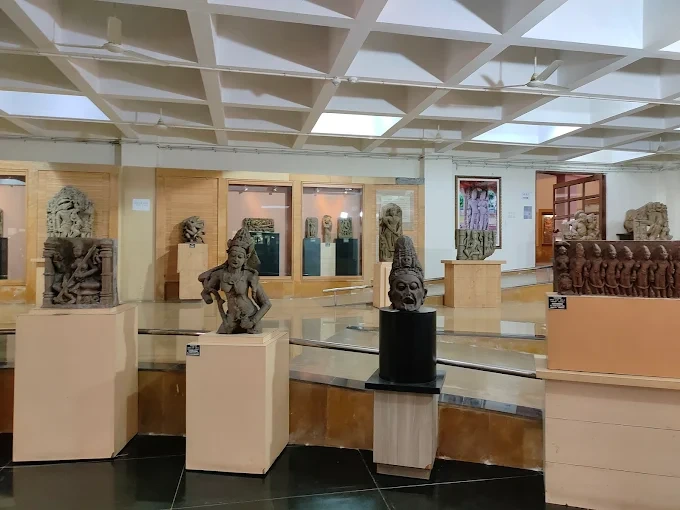
- Madhya Pradesh State Museum — regional archaeological collections, including pieces from Sanchi.
- Sanchi Stupa — UNESCO-listed Buddhist site, approximately 46 km from Bhopal, accessible by train or car.
Frequently asked questions
Yes, the mosque is open to visitors of all faiths outside prayer times. Covered clothing and shoe removal are mandatory.
Shoulders and legs must be covered for both men and women. The head must be covered; bring a scarf or shawl. Replacement clothing may be provided at the entrance depending on the day.
October to March offers the most pleasant dry and cool season. Summer (April-June) is very hot; the monsoon (July-September) makes travel more difficult.
Yes. Sanchi is approximately 46 km from Bhopal and can be reached by train or car in less than an hour. One day is enough for both sites.
Photography is permitted in the outdoor courtyard. Avoid photographing the interior of the prayer hall and always ask permission from worshippers before taking their photos.
Allow 30 to 45 minutes to explore the courtyard, observe the architecture and take photographs. Add extra time if you wish to sit and soak in the atmosphere of the place.
Nearby
Interested in this visit?
We can include it in your personalised itinerary.