Van Vihar National Park
Van Vihar National Park
At the gates of Bhopal, Van Vihar combines nature reserve and rehabilitation centre: 445 hectares, tigers, leopards and over 200 bird species to observe.
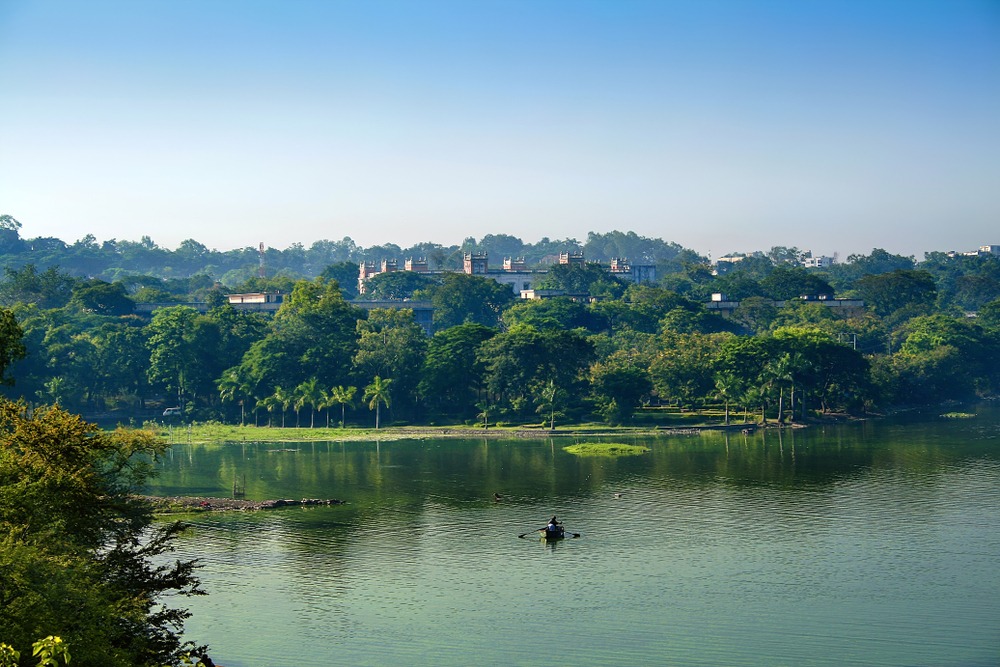
Van Vihar National Park occupies a wooded peninsula on the banks of Upper Lake, in Bhopal, capital of Madhya Pradesh. Spanning 4.45 km², this park—halfway between a natural reserve and rehabilitation zoo—welcomes tigers, leopards and over 200 bird species in an enclosed yet authentically forested environment.
Why visit Van Vihar
Van Vihar is neither a classical national park nor a conventional zoo. The site's hybrid status allows visitors to observe animals rescued from confiscation, poaching or rehabilitation within large enclosures that reproduce their natural habitat. For the visitor, the advantage is concrete: wildlife visibility superior to that of a true reserve, without having to leave Bhopal.
The park can be traversed by car, bicycle or on foot along a single road spanning several kilometres that borders the lake. Allow between 1.5 to 3 hours depending on your pace and observation stops.
History of the park
Van Vihar was declared a national park in 1983, covering an area of 445.21 hectares set apart from the city. The perimeter was gradually enclosed with stone walls and fencing to protect wildlife from poaching and limit conflicts with the expanding urban surroundings.
The site is administered by the Madhya Pradesh Forest Department. It combines a conservation function, a role in accommodating confiscated or injured wildlife, and an educational mission to local communities and schoolchildren.
What to see and observe
Forest and vegetation
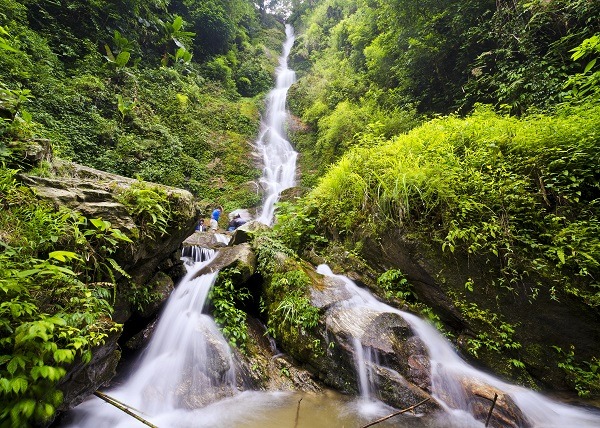
The vegetation cover alternates between deciduous dry forests, grasslands and climbing plants. Dominant tree species include teak, amla, kardhai, salai, palas, tendu and gurajan. This mosaic of vegetation forms the habitat for wildlife and a refuge for migratory birds.
Mammals and reptiles
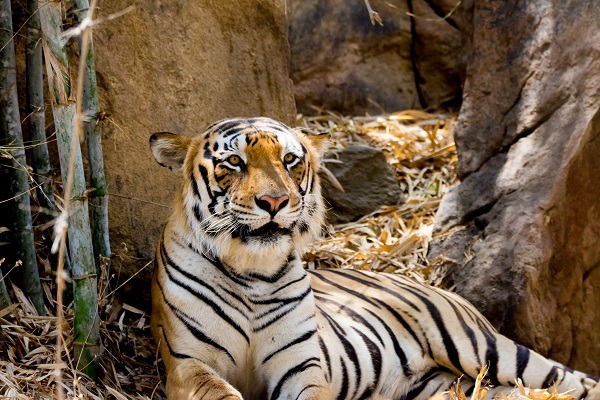
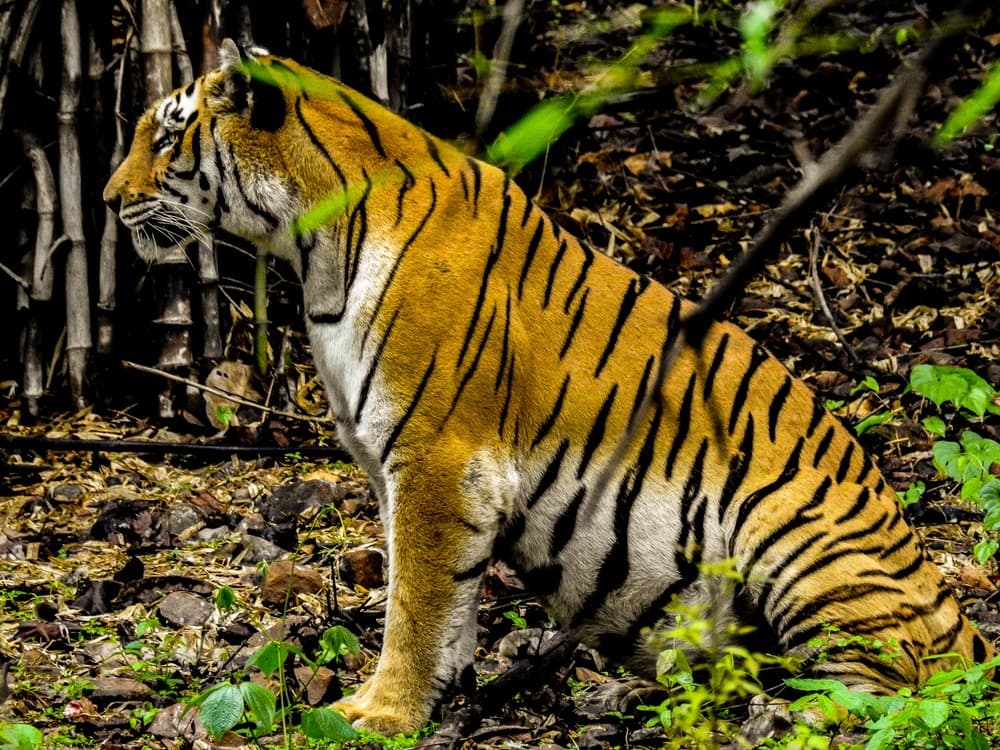
The enclosures and observation zones allow visitors to see tigers, including rare white tiger specimens, leopards, sloth bears, hyenas, jungle cats, wild dogs, sambars, chitals and rhesus macaques. On the reptile side, the park is home to crocodiles, pythons, cobras, monitor lizards and tortoises, observable near water points and in wetland areas.
Migratory bird species
Over 200 migratory bird species frequent the park and the adjoining Upper Lake shoreline. Among the most notable: pintail, painted stork, bar-headed goose and purple heron. Binoculars are highly recommended to make the most of the site's ornithological variety.
When to visit
November to February is the most favourable period. Temperatures are bearable, vegetation remains dense and migratory birds are present in large numbers on the lake. From March to June, the heat becomes intense and limits animal activity during mid-day: favour early morning or late afternoon visits instead. The monsoon season (July-September) greens the landscape but renders certain sections muddy.
On a daily basis, dawn and dusk offer the best chances for wildlife observation. The park is closed on Fridays.
Practical information
- Opening days: daily except Fridays, mornings and afternoons (hours adjusted by season)
- Fees: moderate entrance fee for foreign visitors, additional charges for camera, video and parking; free for schoolchildren and seniors
- Visit modes: private vehicle, taxi, rental bicycle at the entrance, or on foot
- To bring: water, closed-toe shoes, binoculars, sun protection
Feeding animals and exiting vehicles outside authorised zones are strictly prohibited.
How to get there
The park is located near Shyamla Hills, in the south-west of Bhopal, on the banks of Upper Lake. Raja Bhoj Airport is approximately 12 km from the park and receives regular flights from Delhi, Indore, Mumbai and other major Indian cities. Bhopal Railway Station, situated on the Delhi-Mumbai axis, is about 5 km from the entrance. On site, taxis, auto-rickshaws and ride-sharing services reach the park in around twenty minutes depending on traffic.
Nearby attractions
Bhopal features several complementary sites to pair with a visit to the park:
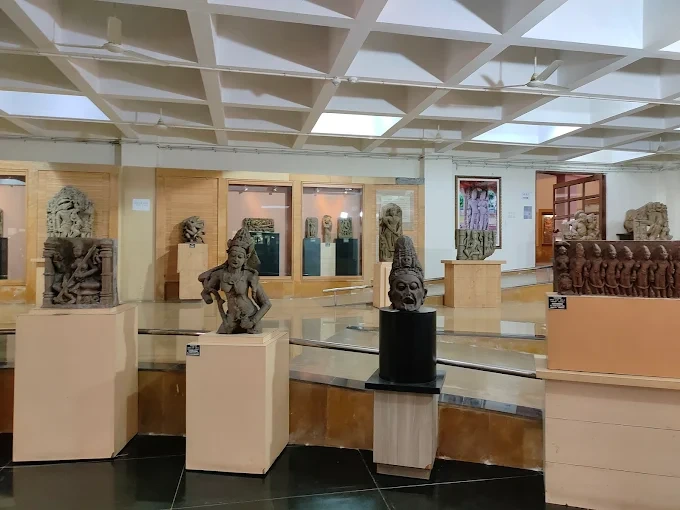
- The State Museum of Bhopal, to understand the history and arts of Madhya Pradesh
- The Upper Lake shoreline and Shyamla Hills district, ideal for a peaceful end-of-day walk
- Bandhavgarh National Park, several hours' drive away, for those wishing to extend the experience with a genuine tiger safari
- Bannerghatta National Park, another Indian reserve combining zoo and wild fauna, interesting for comparison
Include Van Vihar in your journey
Van Vihar fits naturally into a stop in Bhopal during a central India circuit, between Sanchi, Bhimbetka and wild Madhya Pradesh. To build a bespoke itinerary, consult our India travel suggestions.
Nearby
Interested in this visit?
We can include it in your personalised itinerary.