Bannerghatta National Park
Bannerghatta National Park
22 km south of Bangalore, Bannerghatta combines forest reserve, safaris, zoo and butterfly park across 260 km² in the Anekal hills.
22 km south of Bangalore, Bannerghatta National Park covers approximately 260 km² in the Anekal hill range, Karnataka. A protected area, zoo, elephant sanctuary, butterfly park and safaris coexist on the same site, making it one of the most visited nature outings from Karnataka's capital.
Why visit Bannerghatta
The park combines two rarely united dimensions: a forest reserve integrated into a migratory corridor for elephants linking the Biligirirangana hills to the Sathyamangalam forest, and a biological park designed for the general public. You can observe emblematic species of Indian wildlife in just a few hours without leaving Bangalore's periphery. The site is contiguous with the Talli forest reserves to the southeast and Bilikal to the south, extending its ecological value beyond its administrative boundaries.
The terrain, hilly, oscillates between granite slabs, humid forest valleys and shrubby areas at higher elevations. The Suvarnamukhi stream runs through the park and several wells drilled in 2014 supplement water supply during dry seasons.
Park History
The project dates back to 1970 and national park status was officially granted in 1974. The initiative came from Shri Y.M.L Sharma, chief conservator of forests at Karnataka Forest Department, who developed a picnic area in Bannerghatta forest from 1971. Facing growing crowds, the idea of a mini-zoo integrated into the natural area gradually materialised.
The lion safari was established in 1979 across five hectares, followed by the tiger safari in 1987. In 2000, a rescue and rehabilitation centre was inaugurated with support from the Central Zoo Authority of India. In 2002, the creation of Bannerghatta Biological Park placed several facilities under the jurisdiction of Zoo Authority of Karnataka (ZAK). The site became the first in India to host an enclosed elephant sanctuary, spanning 122 acres, funded with support from PETA India. The butterfly park, the first of its kind in India, opened in 2007.
What to see and do
The Zoo
Located between the Champakadhama and Mirza hills, the zoo spans around twelve hectares and houses over 1,900 animals representing approximately 94 species: panthers, Himalayan black bears, Thamin deer, king cobras, as well as zebras, giraffes, hippopotamuses and crocodiles in the expanded zoological zone. A museum and auditorium complement the visit with an educational component.
The Safaris
Several circuits allow you to observe wildlife in semi-freedom aboard secure vehicles (jeep or air-conditioned bus):
- Herbivore safari (deer, gaur, wild boar)
- Bear safari, dedicated to the sloth bear
- Lion safari, across five hectares
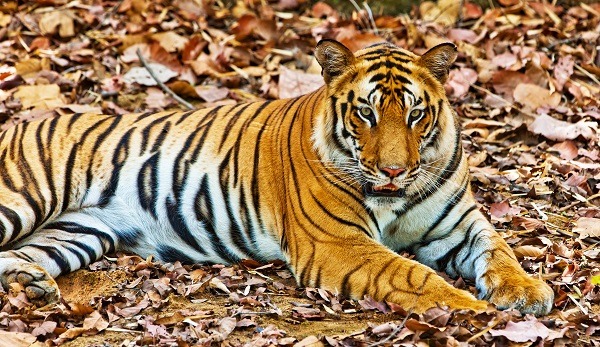
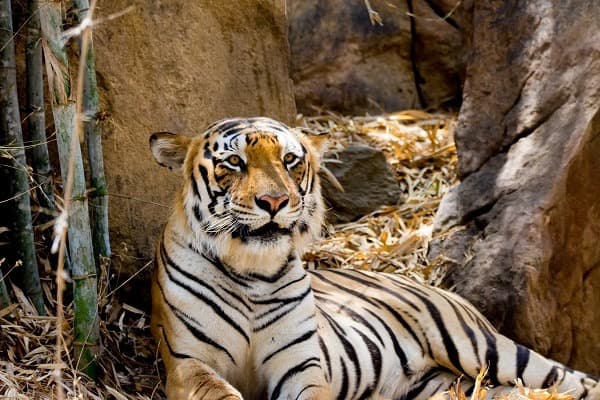
- Tiger safari, which includes Bengal tigers and white tigers
The Butterfly Park
Spanning 7.5 acres, this conservatory recreates a humid tropical climate and features over 20 butterfly species in free flight. More than 48 species have been recorded across the entire site. A museum and audiovisual hall complement the space.
The Rescue Centre
Covering 17.5 hectares and complying with the National Zoo Policy of 1998, it houses orphaned or rescued animals. It is closed to the public to preserve the peace of residents in recovery.
Fauna and Flora
Mammals include: Indian elephant, Bengal tiger, Asiatic lion, Indian leopard, sloth bear, gaur, chital, sambar, nilgai, blackbuck, langur, bonnet macaque, slender loris, pangolin. Reptiles include cobras, pythons, Russell's vipers and kraits. Vegetation combines sandalwood, neem, teak, tamarind, eucalyptus and bamboo, within dry deciduous forests punctuated by shrubby areas.
When to Visit
The most comfortable period extends from October to February, with moderate temperatures and vegetation still verdant after the monsoon. From March to May, heat intensifies but wildlife observation around water points improves. The monsoon (June to September) greens the landscape but may complicate certain safaris. Early morning, just after opening, remains the most favourable time to observe active wildlife.
Practical Information
The park is open daily except Tuesdays. The zoo welcomes visitors in early morning and closes late afternoon, while safaris operate throughout the day. Tickets are purchased at the main entrance or online to limit waiting times. Several options exist: simple zoo entry, combined zoo + lion/tiger safaris, or comprehensive Grand Safari. Plan for a half-day to a full day to enjoy the entire site.
How to Get There
From central Bangalore, the drive takes approximately 45 minutes. A car park managed by KSDC is available at the entrance. BMTC buses serve the park from several points in the city, notably Shivaji Nagar. By metro, exit at J.P. Nagar or Konanakunte Cross, then complete the journey by taxi or rickshaw. Train travellers typically arrive at Bangalore Central Station before continuing by taxi or bus.
Nearby Attractions
Bannerghatta fits naturally into a stopover around Bangalore, an ideal base for exploring southern Karnataka. To extend your wildlife experience elsewhere in India, Bandhavgarh National Park ranks among the best spots for Bengal tigers. On the cultural side, the Basilica of Bom Jesus in Goa and State Museum Bhopal offer cultural contrast to structure a broader itinerary.
Frequently Asked Questions
Frequently asked questions
Plan Your Trip
Bannerghatta integrates easily into an itinerary in southern India, complementing Karnataka's temples, Deccan plateaus or a stop in Mysore. To build a coherent stay around these sites, explore our trips to India and let yourself be guided by our local experts.
Interested in this visit?
We can include it in your personalised itinerary.