Bangalore Palace
Bangalore Palace
A 19th-century Wadiyar royal residence inspired by Windsor Castle, Bangalore Palace blends Tudor architecture, a Durbar Hall and landscaped gardens.
Bangalore Palace is a 19th-century royal residence built by the Wadiyar dynasty of Mysore, located in the Vasanthnagar quarter of Bangalore. Inspired by Windsor Castle, it merges Tudor and Scottish Gothic styles, and preserves period furnishings, paintings by Raja Ravi Varma and an ornate Durbar Hall. The estate also hosts major concerts and several leisure parks.
Why Visit Bangalore Palace
The palace offers a rare testament to British neo-medieval architecture adapted to South India. Three main reasons make it worth a visit:
- Original architecture, halfway between a Scottish castle and an Indian princely residence, spanning 45,000 square feet.
- Well-preserved interiors: Durbar Hall with an elephant head, Gothic stained glass, neoclassical, Victorian and Edwardian furniture purchased from Lazarus and John Roberts.
- A living estate that combines heritage touring, landscaped gardens, cultural events and amusement parks.
Note: contrary to what is sometimes read, Bangalore Palace is not listed as a UNESCO World Heritage site. It remains, however, a site of national importance in India.
History of the Palace
Construction was commissioned by Maharaja Chamaraja Wadiyar (sometimes spelled Wodeyar), sovereign of the kingdom of Mysore. The land was acquired in 1873 from Reverend J. Garrett, then principal of Bangalore's Central High School. Work began in 1874 and was completed in 1878.
The Maharaja wanted a summer residence inspired by medieval English castles, in particular Windsor Castle, located in Berkshire. The architectural style chosen was Tudor blended with Scottish Gothic, then in vogue. Over the decades, the palace was enlarged and embellished: sculpted cornices, a double-entry exterior staircase in front of the Durbar Hall, a platform for musicians, neoclassical, Victorian and Edwardian furniture purchased from Lazarus and John Roberts.
The gardens were designed under the supervision of John Cameron, who oversaw the Lalbagh botanical gardens, then landscaped by landscape architect Gustav Hermann Krumbiegel.
In 1970, the palace was subject to a controversial sale to two companies, Chamundi Hotels Private Limited and Sri Venkateswara Real Estate Enterprises Private Limited. As these entities were not formally registered at the time of the transaction, a legal dispute ensued. Prince Srikanta Datta Narsimharaja Wadiyar, the dynasty's heir, eventually recovered the bulk of the estate, though 45 acres remained under the control of the Chamaraju Group.
What to See On-Site
The Exterior and Gardens
The granite façade is adorned with sculpted vines, dotted with turrets, battlements and Roman arches. The landscaped gardens, inherited from the work of Krumbiegel and Cameron, alternate between lawns, tree-lined pathways and statues. They once served court receptions; today they are open to the public.
The Interiors
The main rooms preserve period furnishings, antique chandeliers and wooden sculptures. Visitors pass through:
- The Durbar Hall, an audience chamber marked by an imposing elephant head and colourful Gothic stained glass. A pierced screen separated the space reserved for women, who could follow proceedings without being seen.
- A collection of paintings by Raja Ravi Varma, a major Indian painter of the 19th century.
- A gallery of royal portraits and photographs tracing the history of the Wadiyar dynasty and the kingdom of Mysore.
- The private chambers and royal dining room, which offer a glimpse into princely daily life.
The Estate and Its Activities
The Palace Grounds have hosted concerts by international artists, including the Backstreet Boys, the Rolling Stones, Elton John and Metallica. The estate is also home to a Centre of Excellence for Equestrian Sports, which trains jockeys and preserves a historic weighing chair, as well as several family amusement parks: Fun World, Water World and Star City.
Practical Information
The palace can be visited year-round. Allow approximately 1.5 to 2 hours to tour the interior rooms and gardens. Opening hours cover a wide daytime range but may change; check in advance with the official website or your accommodation.
- Admission: paid entry, with separate rates for Indian and foreign visitors. Photography/video supplement generally applies.
- Audio guide: available for rent, recommended for contextualising the rooms and artworks.
- Guided tours: available on-site, useful for historical details.
How to Get There
The palace is located in the Vasanthnagar quarter, accessible via Palace Cross Road, Bellary Road and Sankey Road. The Makhri Circle intersection is a useful landmark.
- By air: Kempegowda International Airport is located about 30 km away, north of the city, via Bellary Road. Travel time can vary widely depending on traffic, which is often heavy in Bangalore.
- By train: Bangalore City Station is about 4 km from the palace, or 15 to 30 minutes by taxi depending on traffic.
- By bus: BMTC (Bangalore Metropolitan Transport Corporation) lines 287, 287B, 287D and 287E serve the area.
- By taxi or auto-rickshaw: a simple option from the city centre, best used during off-peak hours.
When to Visit
Bangalore enjoys a temperate climate for South India, thanks to its altitude (approximately 900 m). The most pleasant period extends from October to February, with mild temperatures and little rainfall. The months of March to May are warmer, and the monsoon from June to September brings irregular showers. Morning visits allow you to avoid both the afternoon heat and the largest crowds.
What to See Nearby
A few ideas to extend your discovery of the region:
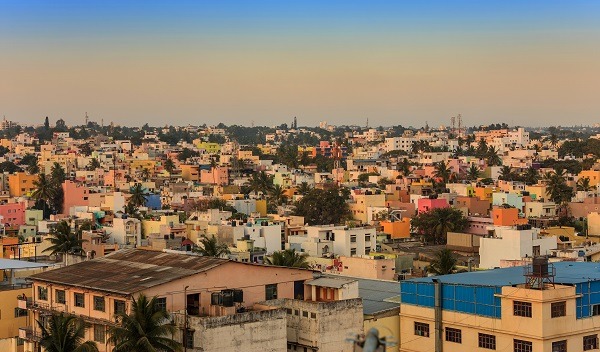
- Bangalore: Lalbagh gardens, Cubbon Park, Vidhana Soudha and historic quarters.
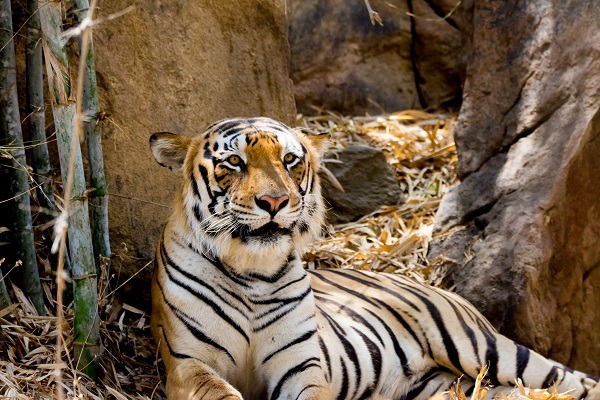
- Bannerghatta National Park: wildlife reserve about thirty kilometres south of the city.
- Bandhavgarh National Park: for travellers wishing to venture further into Madhya Pradesh.
- State Museum of Bhopal: another cultural stop in central India.
Frequently Asked Questions
Frequently asked questions
No. The palace is not inscribed on the UNESCO list. It is, however, recognised as a site of national importance in India.
Allow approximately 1.5 to 2 hours to visit the interior rooms and stroll through the gardens. With an audio guide or guided tour, the duration can reach 2.5 hours.
Yes, but a specific supplement is usually charged for cameras and video equipment. Enquire at the ticket office on the day of your visit.
Yes. Beyond the heritage tour, the estate is home to the amusement parks Fun World, Water World and Star City, which complement a family day out.
The morning, ideally at opening time, allows you to avoid both the afternoon heat and the largest crowds.
Plan Your Trip to India
Bangalore Palace fits naturally into a discovery of South India, between princely heritage, botanical gardens and vibrant cities. To build a tailor-made itinerary including Bangalore and its surroundings, consult our India trips.
Interested in this visit?
We can include it in your personalised itinerary.