Bagdogra
Bagdogra
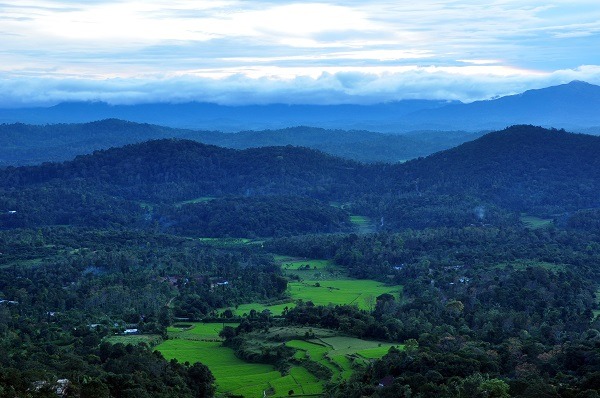
A Himalayan crossroads between Darjeeling, Sikkim and Bhutan, Bagdogra conceals tea plantations, wildlife sanctuaries and views of Kanchenjunga.
Bagdogra is a small town located in West Bengal state, in India. Nestled at the foothills of the Himalayas, it serves as an important crossroads for travelers seeking to explore this region of the country. Though often perceived as merely a gateway to popular destinations such as Darjeeling, Kalimpong and Gangtok, this town possesses a unique charm and deserves to be explored more thoroughly.
Location and Characteristics
Bagdogra is a key transit point for travelers heading toward the splendid mountains of northeastern India. Its proximity to the Nepalese border (30 km) and its strategic position near Bhutan and Tibet make it a major crossroads for exploring the Himalayas.
While often considered a city, Bagdogra is primarily a transportation hub with its international airport and Air Force station, facilitating access to the sublime mountain landscapes of the region. This destination offers breathtaking views of Kanchenjunga, the world's 3rd highest peak, which towers at the border of Sikkim and Nepal.
History
Bagdogra, once a sparsely populated forest and agricultural region, transformed into an indispensable strategic point in northern West Bengal. Before the colonial era, it was primarily inhabited by tribal communities living in harmony with nature. Its development accelerated with the construction of the Siliguri-Darjeeling railway in the 19th century, facilitating trade and travel in this mountainous region.
Under British rule, Bagdogra witnessed the emergence of vast tea plantations, which rapidly became a cornerstone of its economy. During this period, the British intensified large-scale tea cultivation, making the region a globally recognized production center. With the boom of this industry in the early 20th century, strong labor demand prompted many tribes from Chotanagpur to migrate to the Terai plains, where they settled permanently, enriching the local cultural fabric.
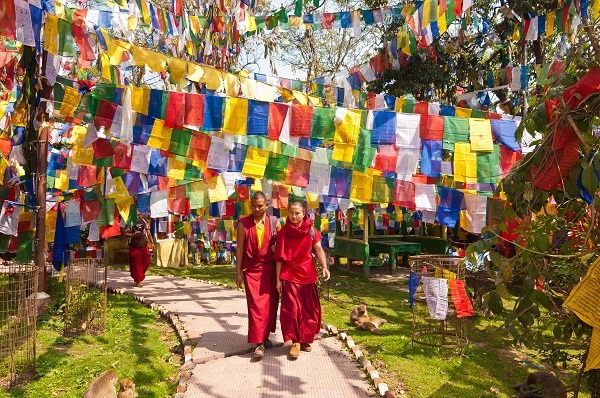
Today, Bagdogra reflects a unique cultural mosaic, blending Hindu, Buddhist and Catholic influences. This diversity expresses itself through vibrant festivals, centuries-old traditions and authentic gastronomy.
What to See in Bagdogra?
While Bagdogra is considered a transit point to other better-known destinations, it also offers several interesting attractions to explore:
Tea Plantations
The region around Bagdogra is famous for its tea plantations. These vast stretches of cultivated land produce some of the country's most renowned teas. Though the town is not as well-known as Darjeeling for its teas, several plantations around Bagdogra offer guided tours where visitors can learn the entire tea-making process, from leaf harvesting to packaging. A visit to these plantations is a peaceful and instructive experience, ideal for those wishing to discover local agricultural traditions.
Mahananda Wildlife Sanctuary
The Mahananda Wildlife Sanctuary is a true haven for nature lovers and wildlife enthusiasts. Nestled in the Himalayan foothills, this sanctuary covers approximately 159 km² and offers exceptional biodiversity. Bordered by the Teesta River to the east and the Mahananda River to the west, it presents a varied landscape with elevations ranging from 500 feet near Sukna to 4,300 feet at Latpanchar.
Once used as a hunting reserve, the Mahananda Wildlife Sanctuary is today a protected area home to rare species such as the Bengal tiger, Indian bison, as well as leopards, elephants and deer. It is also a paradise for birdwatchers, with impressive diversity of migratory and local bird species.
The Himalayan World Museum
The Himalayan World Museum, designed and founded by renowned ethnomusicologist Professor Omprakash Bharti, is a unique museum of its kind in India. It houses an exceptional collection of over 500 artifacts from various Himalayan regions such as Ladakh, Kashmir, Nepal and Bhutan.
This museum is administered by the Himalayan Heritage Research & Development Society (HHRDS), a national NGO based in Sikkim, which works to preserve and promote the cultural and artistic heritage of the Himalayas. Its serene atmosphere and immersive setting make it an unmissable attraction for lovers of history, culture and Himalayan traditions. A visit to this museum allows you to better understand the richness and diversity of civilizations that flourished in this mythical region.
Other Must-See Attractions
Bagdogra holds other sites and tourist attractions to discover during your visit to this town. You can also visit the:
- Salugara Monastery
- Surya Sen Park
- Jorpokhri Sanctuary (or Jore Pokhri Wildlife Sanctuary)
- North Bengal Science Centre (or Science City)
What to Do in Bagdogra?
Bagdogra is a destination favored by both adventure enthusiasts and those seeking relaxation and entertainment. The surrounding mountains beckon hikers and trekkers, while the sky becomes an ideal playground for paragliding, offering breathtaking views of the surrounding landscapes. For water sports enthusiasts, local rivers offer exhilarating white-water rafting descents, through tumultuous rapids and wild nature.
For a day full of excitement, the Dreamland amusement park, one of the best in the region, offers a multitude of recreational and immersive activities. Perfect for families and thrill-seekers, it promises an unforgettable experience.
Finally, for a moment of serenity, head to Mirik, a haven of peace known for its enchanting lake bordered by hills and pine forests. A boat ride on its calm waters allows you to savor a timeless moment in perfect harmony with nature.
When to Visit?
The best time to visit Bagdogra depends on the experience you seek. From September to March, the climate is cool and pleasant, offering ideal conditions for hiking and outdoor exploration. This is also when the region reveals its lush landscape, particularly after the monsoon season.
However, if your journey includes destinations like Darjeeling or Sikkim, the summer months, April to June, are equally perfect. During this period, temperatures remain moderate at higher elevations, offering mild and sunny weather conducive to mountain excursions. Thus, according to your preferences and itinerary, each season reveals a unique facet of Bagdogra and its surroundings.
Bagdogra is a well-developed transportation crossroads, easily accessible by air, train and road.
By Air
Bagdogra International Airport, located approximately 9 km west of Siliguri, is the most convenient way to reach the town. It offers direct flights from several major Indian cities such as Delhi, Mumbai, Kolkata, Chennai and Bangalore. Airlines also connect Bagdogra to Paro in Bhutan. Once at the airport, you can book a rental car or take a taxi to reach your destination.
By Train
Bagdogra does not have a railway station, but the nearest one is in Siliguri, approximately 11 km away. Be aware that Siliguri is a major railway hub, well-connected to major cities throughout the country. Travelers can also opt for Jalpaiguri station, located 45 km away, which offers frequent connections to several Indian metropolises. From these stations, taxis and buses make it easy to reach Bagdogra.
By Road
Bagdogra is connected to major cities in northeastern India and West Bengal by a good road network. Regular public buses and private taxis provide transport to major tourist destinations such as Siliguri, Darjeeling, Kalimpong and Gangtok.
The roads leading to Bagdogra offer picturesque landscapes, crossing verdant forests, rolling hills and sparkling rivers, making the journey as enjoyable as the destination itself.
Want to discover this destination?
Our local advisors design your tailor-made trip.