Varanasi (Benares)
Varanasi (Benares)
City of Shiva on the banks of the Ganges, Varanasi immerses you in living Hinduism: ghats, ceremonies, thousand-year-old temples and mystical sunrise.
Once known as Benares, Varanasi, nicknamed the City of Shiva, invites you to discover Hinduism in all its facets. Flowing through the city, the Ganges welcomes more than a million pilgrims each year in search of blessing, enlightenment or simply inner peace. Discovering this singular city will not leave you unmoved and will surely mark your journey through India.
Where is Varanasi Located?
Situated in northern India, Varanasi stands on the sacred banks of the Ganges in the Indian state of Uttar Pradesh. The city is approximately 800 km east of New Delhi and 320 km southeast of Lucknow, the state capital.
History
Assumptions about Varanasi's founding date back to the 7th century BCE. Following his Enlightenment, Buddha is said to have delivered his first sermon at Sarnath, located about ten kilometers from the city. Mentioned in the Ramayana and Mahabharata, Hindu epic poems, Varanasi stands as the spiritual capital of Shiva.
From the assault of the Ghaznavids in 1033 to Mughal invasions led by Aurangzeb, Varanasi experienced repeated pillaging and Muslim conquest before being renamed Mohammadabad. Conquerors used materials from demolished temples to build mosques.
In 1775, the British took control of the city. Although most of Varanasi's temples date from the 17th and 18th centuries, the city has retained its sacred character and remains one of the holiest sites of Hindu religion.
Why Did Benares Become Varanasi?
Known for centuries as Benares in the West, this spiritual center of India bears a far more ancient name: Varanasi. This traditional name derives from two rivers bordering the sacred city: the Varuna to the north and the Assi to the south. The city developed between these waterways, giving it this poetic and symbolic name. During the British colonial era, the name was Anglicized to "Benares," then Gallicized to "Bénarès," a version that long remained in use in Western countries. However, following India's independence, a movement toward cultural and linguistic roots led to the restoration of traditional names. Thus, Varanasi became the city's official name once again. Additionally, the name "Banaras" remains very common in popular usage throughout India. Today, whether one speaks of Benares, Banaras or Varanasi, it is the same mythical city, an emblem of devotion and spirituality on the banks of the Ganges.
Why Visit Varanasi?
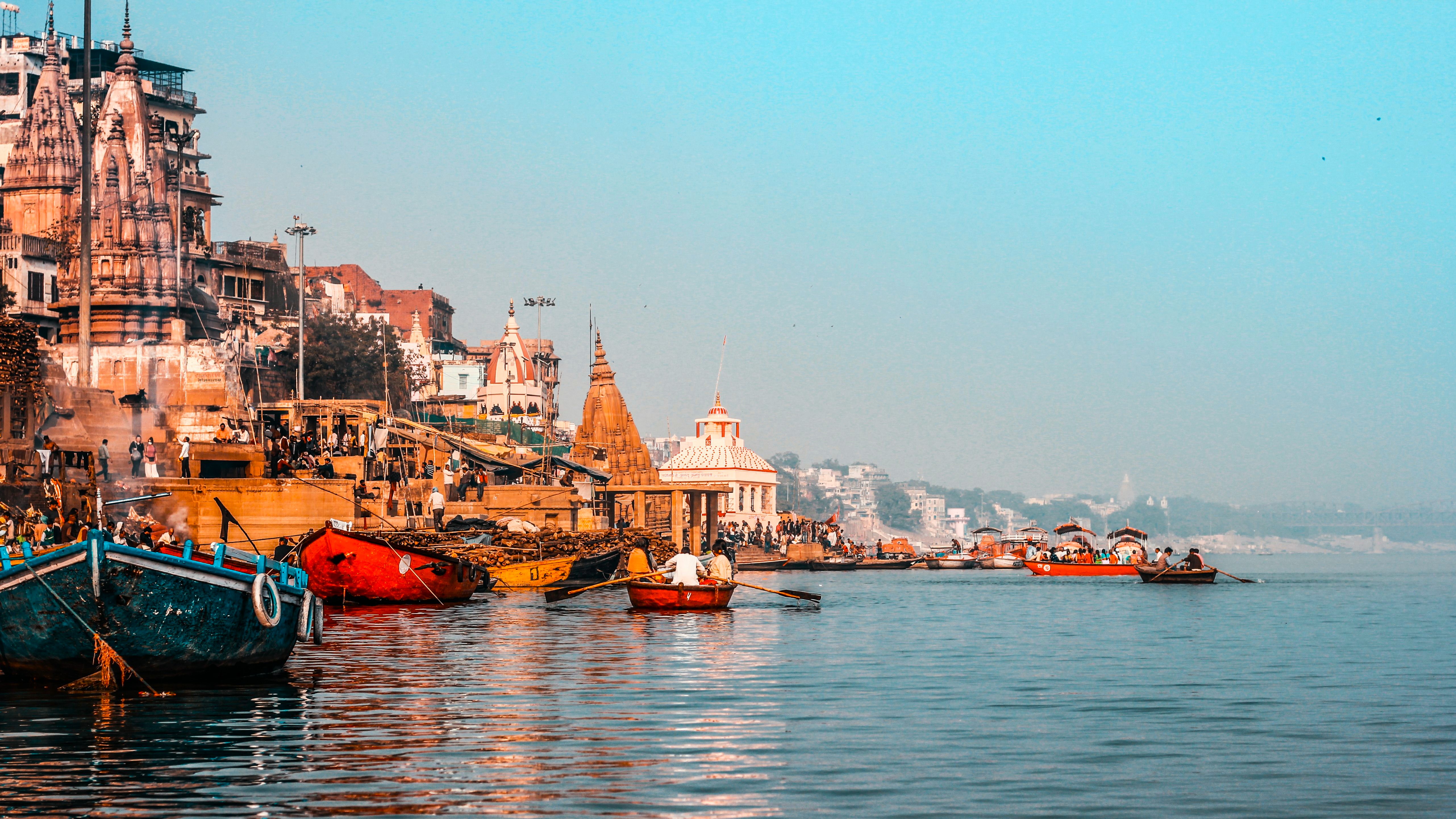
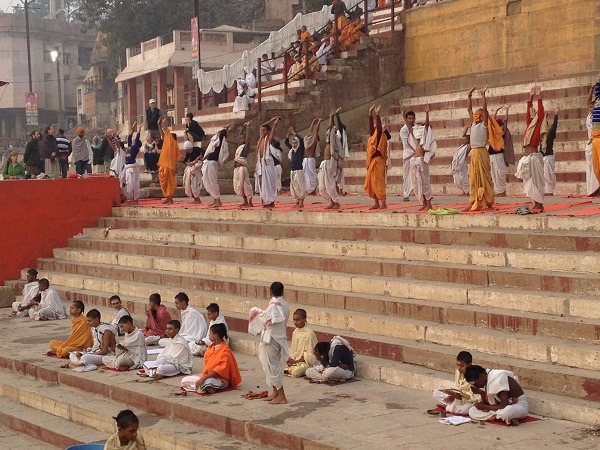
Varanasi ranks among the world's oldest cities. A major pilgrimage destination for Hindu devotees, the city is crossed by the Ganges, which symbolizes the hair of the goddess Shiva. Along the river's banks, the series of ghats continue to host sacred rituals. At dawn, you will see the faithful bathing to expiate their sins—a scene both mystical and mesmerizing. Rest assured, tourists can access Varanasi's ghats by taking rowboats available on site, provided you respect the sacred character of these places.
Wandering through the narrow alleys and lanes of the old city, you will encounter rickshaws, stray dogs, children playing in the streets, and men in prayer. During a walk, you will also have the privilege of admiring the picturesque temples that make Varanasi renowned.
Among the monuments to discover in the city stands the Kashi Vishwanath Temple, dedicated to the god Shiva. Standing at 15.5 meters tall, its spire coated in gold earned it the nickname "Temple of Gold." Destroyed many times following Muslim invasions, the site was rebuilt in 1776 at the initiative of the Maratha queen Maharani Ahilya Bai Holkar.
Varanasi is also home to one of Asia's largest universities: the Banaras Hindu University. The institution is particularly renowned for its Sanskrit studies program. It houses no fewer than 150,000 authentic manuscripts for studying Hindu Shastras. The university also features a museum, the Bharat Kala Bhava, whose main attraction is an impressive statue of Krishna.
North of Varanasi, the Buddhist city of Sarnath puts you on Buddha's trail, a sacred place that allows you to break free from time and experience an intense mystical encounter.
For shopping enthusiasts, Varanasi boasts an enormous bazaar as well as numerous markets and craft boutiques. Among the city's flagship products stands the unmistakable Banarasi Silk Saree. This typical garment of South Asian regions comes from a traditional weaving technique passed down through generations, including the use of silk as well as gold and silver threads. It is an essential piece in the wardrobe of Indian women. For music lovers, Varanasi's shops offer a wide variety of high-quality musical instruments.
For your stay in Varanasi, accommodations in the city center or at the edge of the Ganges offer affordable rates, though comfort may be questionable. Luxury hotels, on the other hand, are located in the Cantonment district.
Culture, Traditions and Funeral Rituals
On the left bank of the Ganges, the Varanasi ghats—living stages of the cycle of reincarnation—daily witness the city's cremations, where bodies are burned to release ashes into the sacred river waters. Family members, priests and simple pilgrims gather here in a relationship with death that is unique, rooted in tradition.
Furthermore, witnessing a religious or cultural event in the evening can transform your Varanasi experience, especially if you have the chance to enjoy an unobstructed view of the Ganges from a terrace or boat.
When to Visit Varanasi?
Varanasi is located in a region with a humid tropical climate. Temperatures vary considerably between winter and summer. From April to October, summer brings a monsoon season with temperatures ranging from 32°C to 46°C. From December to February, winter is marked by cool winds from the Himalayas with temperatures dropping as low as 5°C. The summers are very hot, during which sunrise over the river and nightfall often provide a more suitable time for walks and contemplation.
Varanasi has a bus station connected to the city of Delhi and Nepal. The city also has an airport receiving daily flights from major Indian cities.
To get around Varanasi, you have several transportation options. Among these, you'll find rickshaws and auto-rickshaws, which are essential means of transportation in India. More common, buses allow you to travel at minimal cost (5 Rs), if comfort is not your primary concern. Taxis are also available services in the city center.
Additionally, car or bicycle rentals are increasingly popular among tourists on an India journey. Inquire with your hotel or travel agency to discover the best options.
Attractions in Varanasi (Benares)
Ghats
Les ghats, escaliers sacrés descendant vers le Gange ou les lacs sacrés, structurent la vie rituelle de Varanasi, Haridwar et Udaipur. Guide complet de visite.
Kashi Vishwanath Temple
Le temple Kashi Vishwanath est le sanctuaire shivaïte le plus sacré de Varanasi et l'un des douze jyotirlinga de l'Inde. Sa flèche dorée domine la vieille ville, à deux pas des ghats du Gange.
Accommodation in Varanasi (Benares)
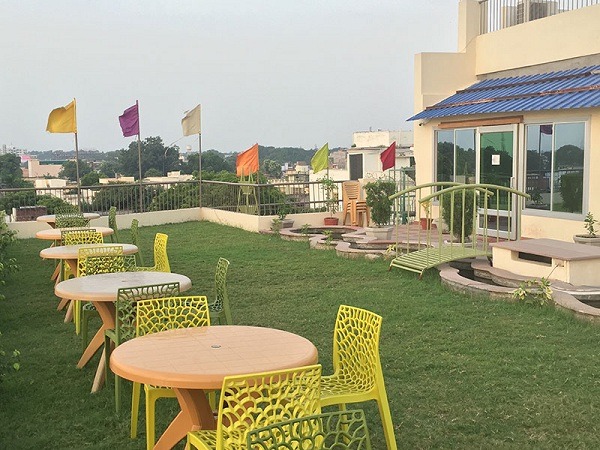
Hôtel Banaras Haveli
Boutique-hôtel à l'architecture traditionnelle en pierre, à 100 mètres du ghat d'Assi à Varanasi, avec terrasse rooftop et vue sur le Gange.
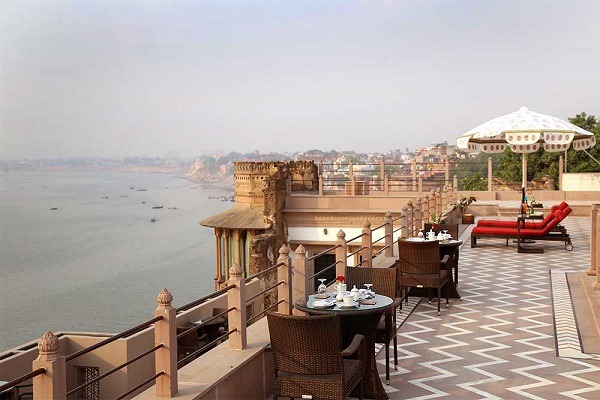
BrijRama Palace
Palais de 1812 restauré sur le Darbhanga Ghat, à Varanasi : 32 chambres, accès en barque privée, cuisine végétarienne et concerts dans la cour centrale.
Want to discover this destination?
Our local advisors design your tailor-made trip.