Maharashtra
Between Mumbai and its historic quarters, the UNESCO Ajanta and Ellora caves, Maratha forts and Tadoba wildlife, Maharashtra concentrates the essence of India's diversity within a single territory.
Maharashtra is one of India's largest and most densely populated states. Between the metropolis of Mumbai, the UNESCO-listed Buddhist caves of Ajanta and Ellora, Maratha forts and the Deccan plateau, it brings together remarkable diversity. A crossroads of Mughal, Maratha and colonial history, it attracts architecture enthusiasts and travelers seeking nature or spirituality in equal measure.
Practical information at a glance
- Best time to visit: October to March (dry and cool season); avoid July-August (intense monsoon).
- Access: Chhatrapati Shivaji Maharaj International Airport in Mumbai; Pune airport; dense rail links from across India.
- Dress code: covered clothing recommended in temples and mosques; lightweight cotton clothing for the heat of the Deccan.
- Recommended duration: 7 to 14 days to cover Mumbai, Pune, Aurangabad and the caves.
- Visa: Indian e-Visa required for most nationalities.
What to see
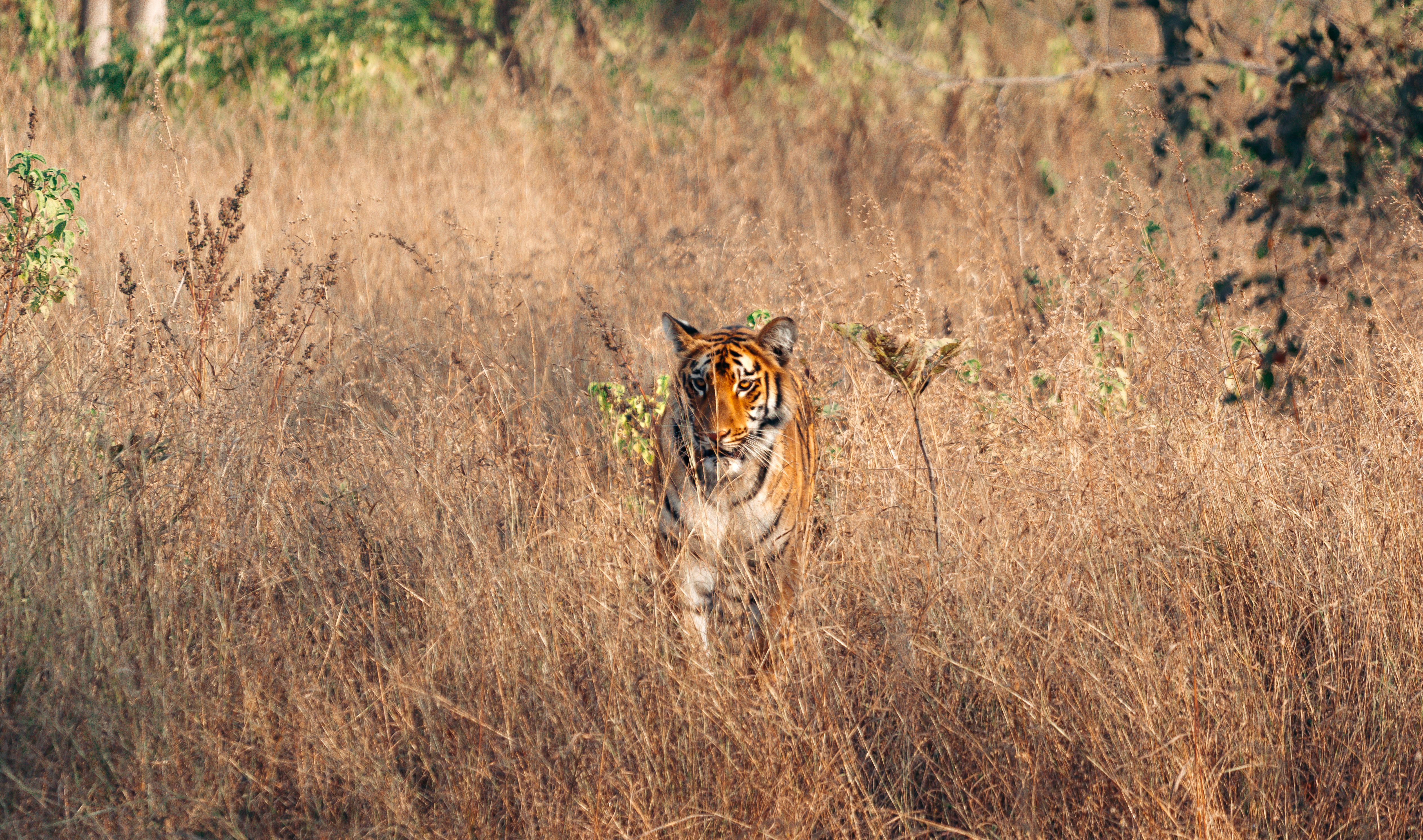
Maharashtra has many distinct faces. Mumbai concentrates colonial architecture in Colaba, the Crawford markets and nightlife in Bandra. Pune is home to universities, ashrams and the Aga Khan Palace. Aurangabad serves as a base for the Ajanta and Ellora caves. Maratha forts—Raigad, Pratapgad, Sinhagad—punctuate the Western Ghats. Tadoba National Park hosts one of the country's highest concentrations of tigers.
History and context
Maharashtra was the heart of the Maratha Empire, founded in the 17th century by Chhatrapati Shivaji Maharaj. Before him, the Satavahana, Rashtrakuta and Yadava dynasties left monumental traces, notably rock-cut caves. British colonization transformed Mumbai into India's principal commercial port. Since independence, the state has become the country's economic powerhouse, home to the Mumbai Stock Exchange and Bollywood's film industry.
Travel highlights
Ajanta and Ellora caves
The Ajanta caves (2nd century BCE – 7th century CE) house Buddhist frescoes of remarkable precision. Ellora brings together Buddhist, Hindu and Jain sanctuaries on a single site, including the Kailasa temple carved from a single block of basalt. Both sites are UNESCO World Heritage listed.
Mumbai: architecture and neighborhoods
The Gateway of India, Victoria Terminus (CST) and the neo-Gothic buildings of Fort form a unique architectural ensemble. Dharavi, one of Asia's largest informal settlements, reveals a dense and well-organized artisanal economy. Juhu and Versova beaches offer a popular counterpoint to the frenzy of the city center.
Maratha forts
Raigad was Shivaji's capital; its ruins tower over the jungle of the Ghats. Pratapgad, accessible on foot, preserves a temple dedicated to the goddess Bhavani. Sinhagad, near Pune, is as much a historic pilgrimage site as a weekend hiking destination for locals.
Tadoba-Andhari National Park
Located in Chandrapur district, Tadoba is one of India's most accessible tiger parks. Jeep safaris offer the chance to observe tigers, leopards, gaurs and mugger crocodiles in dense teak forest.
Photography tips
- Ajanta caves: natural light enters through the entrances; arrive early in the morning to avoid crowds and benefit from the raking light on the frescoes.
- Kailasa temple (Ellora): the overhead view from the top of the cliff reveals the scale of the excavation—bring a wide-angle lens.
- Mumbai: the Gateway of India is ideal at sunrise, before tourist crowds arrive. Marine Drive's waterfront photographs well at dusk.
- Photography is prohibited in certain interior areas of Ajanta caves; respect the signs on site.
Location and access
Maharashtra occupies India's west coast and extends toward the Deccan plateau. Mumbai is the main gateway, connected to the world. India's rail network serves Pune, Aurangabad, Nagpur and Nashik from Mumbai. Express buses connect secondary towns. For Tadoba, Nagpur is the most convenient base.
Nearby places accessible from Mumbai or Aurangabad:
- Ajanta caves — rock-cut Buddhist frescoes, approximately 4 hours from Aurangabad.
- Ellora caves — multi-faith site, approximately 30 km from Aurangabad.
- Gateway of India — iconic monument on Mumbai's waterfront.
- Tadoba National Park — tiger reserve in eastern Maharashtra.
Nearby regions
- Goa — neighboring state to the south, accessible by overnight train from Mumbai, known for its beaches and Portuguese architecture.
- Gujarat — to the north, birthplace of Mahatma Gandhi and home to Gir National Park, the last refuge of the Asiatic lion.
- Hyderabad — to the east, capital of Telangana, famous for its biryani and the Charminar.
Frequently asked questions
From October to March, the weather is dry and temperatures are manageable. The monsoon (June-September) makes forts and ghats spectacular but roads difficult. Avoid April-May in the interior Deccan: temperatures regularly exceed 40°C.
In active Hindu temples, cover shoulders and knees. For Ajanta and Ellora caves, there are no strict dress codes, but easy-to-remove shoes are practical in some interior sanctuaries.
Yes. Aurangabad is an ideal base for both sites. Ellora is approximately 30 km from the city; Ajanta requires a full day with an early departure. Plan at least two days to visit both sites without rushing.
At Ellora, photography is generally permitted. At Ajanta, it is restricted or prohibited in several caves to protect the frescoes; signs indicate affected areas. Flash is systematically forbidden.
The Deccan Queen or Shatabdi express trains connect the two cities in approximately 3 hours. Air-conditioned Volvo buses also run frequently on the Mumbai-Pune highway. Car rental with a driver remains the most flexible option.
Yes. Mumbai offers family-friendly museums, beaches and parks. Tadoba safaris suit children depending on park guidelines. Ellora caves, more accessible than Ajanta, appeal to families for their monumental scale.
Want to discover this destination?
Our local advisors design your tailor-made trip.