Jodhpur
Jodhpur
Mehrangarh Fortress, an ocean of blue houses and spiced bazaars: everything you need to know to visit Jodhpur, gateway to the Thar Desert in Rajasthan.
This city, steeped in history and culture, bears many names. Some call Jodhpur the "City of the Sun," supposedly because the days are sunny year-round. Others see it as the "gateway to the Thar Desert region," while still others have simply dubbed it "the Blue City" because of the abundance of blue-painted houses in its historic heart.
History
Jodhpur was founded in 1459 by Rao Jodha, a Rajput ruler of the Rathore clan. After conquering the surrounding territories, he established the State of Marwar, with its capital originally at Mandore. Jodhpur itself became a strategic point for the spice, coffee, and opium trade with Delhi. The State of Marwar later allied with the Mughal Empire and provided it with illustrious military commanders, notably the maharaja Jaswant Singh. This approach allowed Jodhpur to experience a period of openness to the world, bringing cultural vitality and architectural renewal.
Around 1679, Aurangzeb temporarily seized the city, but the legitimate king quickly reclaimed the throne following the Mughal conqueror's death and the empire's fall in 1707. The Maratha invasion followed, driving out the Mughals from the region. Unfortunately, the new regime could not ensure peace or prosperity for Jodhpur. The area endured 50 years of war. In 1818, the State of Marwar was placed under British imperial control, which rapidly led to its decline. In 1949, the Indian government finally integrated it into the State of Rajasthan.
Today
Jodhpur ranks as the second-largest city in Rajasthan. It enjoys a privileged location, positioned midway between Delhi, the capital, and Gujarat, the industrial hub of Inde. The city likely benefited from extensive commercial exchanges during the pre-colonial period: opium, copper, silks, and more. The jewelry and clothing adorned by Marwari women testify not only to the wealth of the families who wear them but also to the prosperity of this city imbued with the grandeur of its past.
In Jodhpur, you will see a series of blue houses subtly contrasting with the browns of the desert that surround it. A walk through the streets of this colorful city will perfectly satisfy your desires for escape and wonder. The blue houses result from beliefs held by groups that dominated Indian consciousness. Among others, Brahmins, among the purest castes of the Subcontinent, once resided in these dwellings to distinguish themselves from other classes. And although the caste system has slowly weakened over the years, this tradition has indeed endured in Jodhpur.
In a city bordered by arid and sandy lands, it is understandable that color holds special importance. Beyond the blue houses, the Mehrangarh Fort will equally delight your eyes. Within the building's interiors, light filtered through colored stained glass subtly illuminates the red and brown hues, highlighting the former glory of the place. Finely crafted paintings, period furniture, and sumptuous objects create enchanting décor. The Mehrangarh Fort ranks among Rajasthan's most beautiful monuments. Built in the 15th century, this architectural jewel dominates the old city of Jodhpur while offering breathtaking views over the sea of blue houses. The fort is visible from the Clock Tower and Sadar Bazaar. Among other notable sites in Jodhpur is Jaswant Thada, a complex of white marble cenotaphs honoring the city's maharajas.
Climate
Jodhpur is located in a desert climate region of BWh type according to the Köppen-Geiger classification. Throughout the year, precipitation is rare, with an average of 363 mm. As for temperature, the annual average is 26.6°C.
Jodhpur has an airport with connections to Mumbai, Delhi, Udaipur, and Jaipur. The city is also at the intersection of numerous railway lines connecting it to major destinations across Inde. The same applies to road networks, with Jodhpur served by several highways crossing Rajasthan and neighboring states.
Jodhpur offers you various modes of transportation. You can choose between taxi, rickshaw, bicycle, bus, or rental vehicles.
With taxis, you have access to a wide network of providers scattered throughout the city. They adapt equally well to your travel within the city center and its outskirts. Rickshaws are better suited for quick, short-distance trips. They represent the most economical way to get around. Alternatively, you can always join the ranks of local cyclists, provided you exercise the greatest caution on the roads. Renting a car will allow you to customize your itineraries while enjoying a certain level of comfort. Buses are best avoided if possible, as services are not entirely reliable.
Attractions in Jodhpur
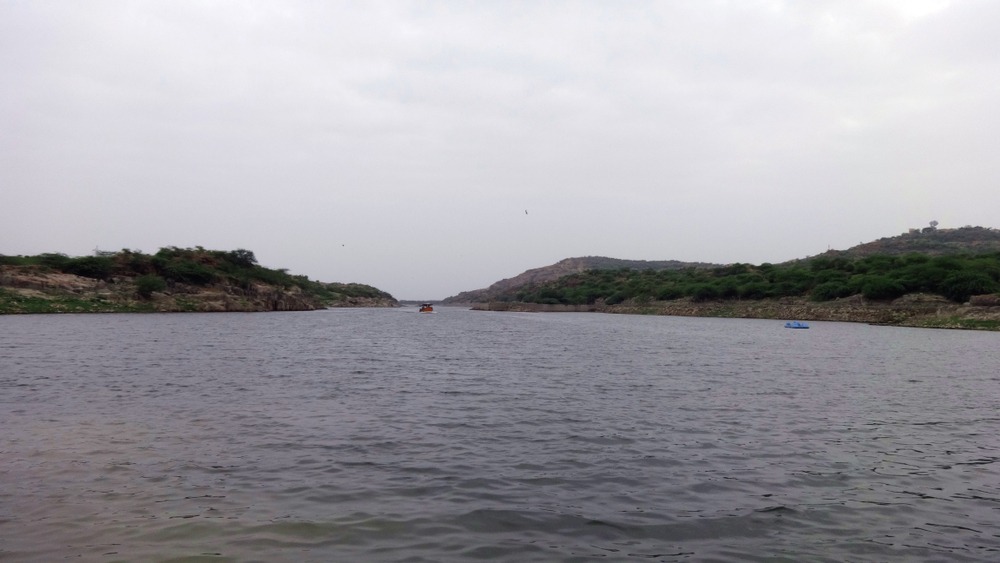
Lac Kaylana
À 8 km de Jodhpur sur la route de Jaisalmer, le lac Kaylana (ou Pratap Sagar) est un plan d'eau créé en 1872, apprécié pour ses oiseaux et ses couchers de soleil.
Rao Jodha Desert Rock Park
Au pied du fort de Mehrangarh, le Rao Jodha Desert Rock Park déploie 70 hectares de roches volcaniques et de végétation désertique restaurée — un contrepoint naturel et botanique à la visite du fort.
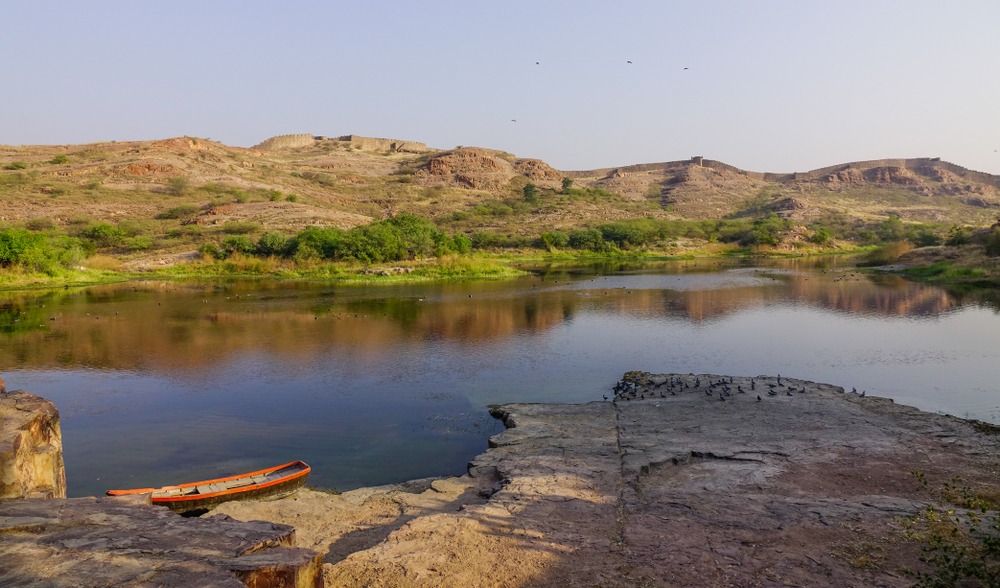
Le lac Balsamand
Réservoir médiéval bordé d'un palais en grès rouge, à 5 km de Jodhpur : histoire, jardins fruitiers, faune du Rajasthan et infos pratiques.
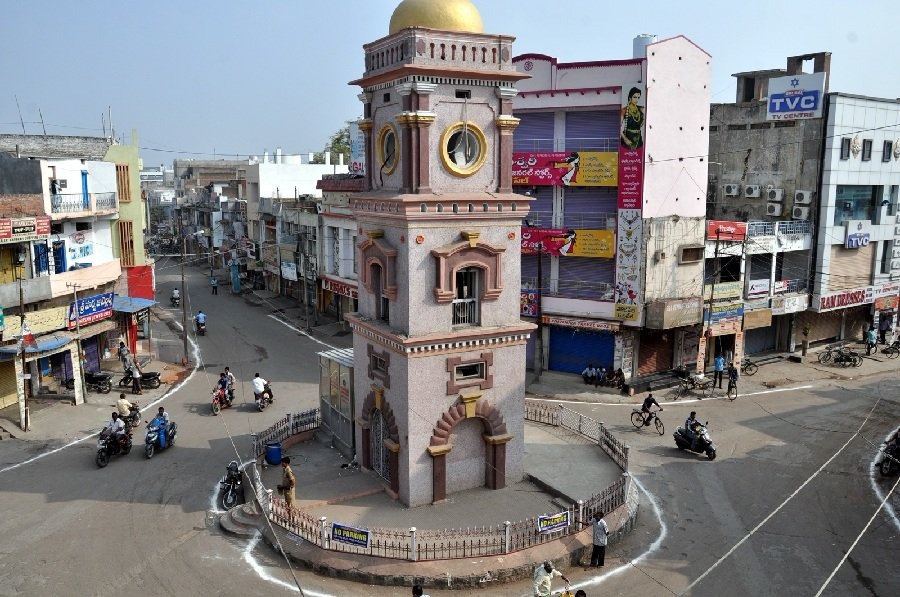
Rabajai Clock Tower
Tour néo-gothique de 85 m inspirée du Big Ben, la Rajabai Clock Tower (1878) domine le campus de l'Université de Mumbai et fait partie du patrimoine UNESCO.
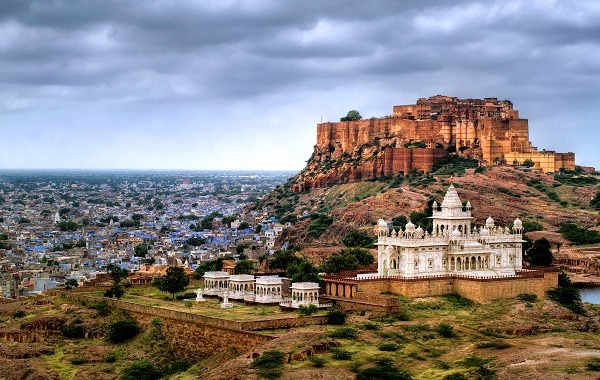
Jaswant Thada
Cénotaphe de marbre blanc édifié en 1899 à Jodhpur, le Jaswant Thada honore les souverains Rathore de Marwar, à deux pas du fort de Mehrangarh.
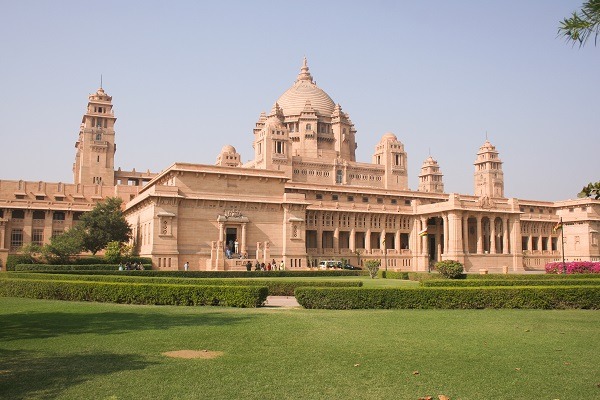
Umaid Bhawan Palace Museum
Construit entre 1929 et 1943 sur la colline de Chittar, l'Umaid Bhawan Palace abrite un musée retraçant l'histoire de la famille royale Rathore de Jodhpur, avec collections d'armes, d'horloges et de photographies d'époque.
Accommodation in Jodhpur
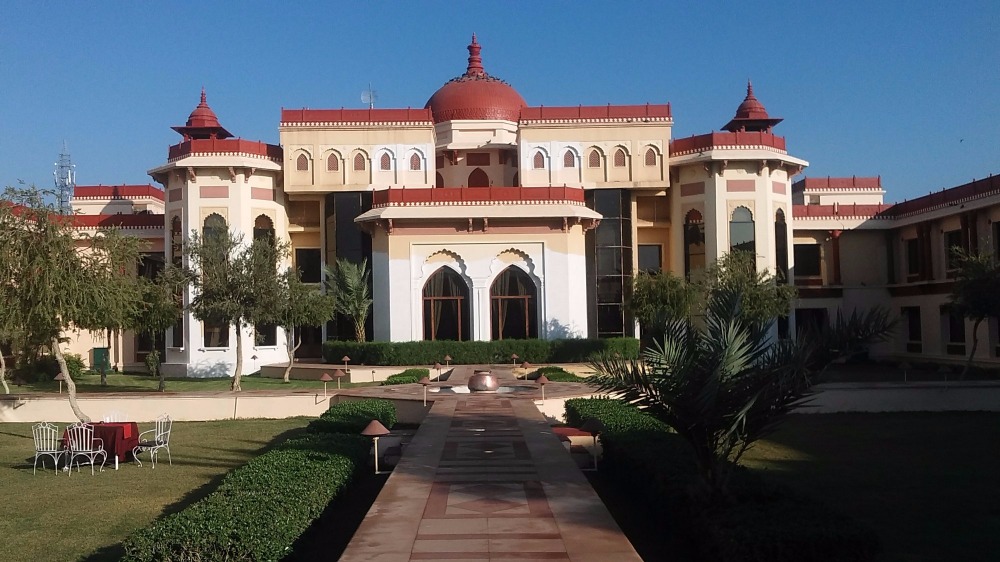
The Ummed Hotel
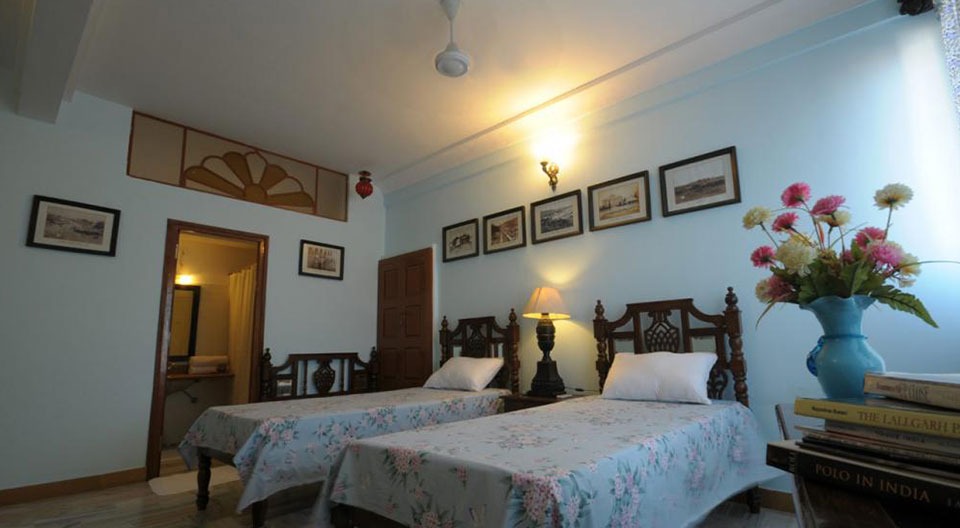
Haveli Inn Pal
Heritage Inn familial dans la vieille ville bleue de Jodhpur, avec terrasse-restaurant tournée vers le fort de Mehrangarh.
Mapple Abhay
Hôtel 4 étoiles confortable à Jodhpur, base pratique pour visiter le fort Mehrangarh et le palais Umaid Bhavan, avec restaurant multi-cuisine sur place.
Want to discover this destination?
Our local advisors design your tailor-made trip.