Rajabai Clock Tower
Rajabai Clock Tower
85-meter Neo-Gothic tower inspired by Big Ben, the Rajabai Clock Tower (1878) dominates the Mumbai University campus and is part of UNESCO World Heritage.
In the Fort district of Mumbai, the Rajabai Clock Tower rises with its 85-meter Neo-Gothic silhouette above the grounds of Mumbai University. Designed in the 19th century by British architect Sir George Gilbert Scott, it draws openly from London's Big Ben and stands as one of the most recognizable structures of Victorian Mumbai. Since 2018, it has been part of the Victorian and Art Deco Ensemble of Mumbai, designated a UNESCO World Heritage site.
Why visit the Rajabai Clock Tower
The tower offers three compelling reasons for travelers. First, its architecture: facades of Kurla and Malad stone, soaring arches, stained glass and sculptures form a accomplished testimony to Neo-Gothicism applied to colonial India. Next, its history, inseparable from Bombay's financial emergence in the 19th century. Finally, its setting—the Mumbai University campus and surrounding gardens—which offers a rare respite in this dense sector of the city.
The interior is not open to the public, so your visit consists of observing the tower from its surroundings. Plan 30 minutes to 1 hour on site, longer if you explore other Victorian buildings in the district.
History of the tower
The first stone of the Rajabai Clock Tower was laid on March 1st, 1869 and the building was completed in November 1878. The construction cost, estimated at 550,000 rupees, represented a considerable sum for that era. The primary funding came from Premchand Roychand Jain, founder of the Bombay Stock Exchange and a major figure in the city's business world.
The tower is named after the donor's mother, Rajabai. Blind and a devout practitioner of Jainism, she had to dine before sunset according to the precepts of her faith. The tower's carillon, audible from a distance, allowed her to know the time without relying on others—a personal dedication that also explains the building's public role in the rhythm of daily city life.
At the end of the 19th century, the tower played sixteen different melodies, among them Home! Sweet Home! and a Handel symphony. The repertoire changed four times daily. Today, the mechanism plays a single melody every fifteen minutes, marking the quarters for the university campus and surrounding streets.
Between 2013 and 2015, the tower underwent major restoration work and reopened in March 2015. The quality of the work was recognized in 2018 with the UNESCO Asia-Pacific Award for the Conservation of Cultural Heritage. That same year, the building was incorporated into the Victorian and Art Deco Ensemble of Mumbai, inscribed on the World Heritage List.
What to see on site
Exterior architecture
The facades blend darker Kurla stone with lighter Malad stone, creating a play of textures typical of Neo-Gothicism applied to Bombay. Note the pointed arches, stained glass, sculptures depicting figures from various castes and professions of the era, and the pinnacles that punctuate the silhouette. The reference to Big Ben is most apparent in the overall composition and clock face.
The gardens and campus
The tower rises within the grounds of Mumbai University, surrounded by gardens where you can rest in the shade. The contrast with the traffic of Fort is striking. The campus also houses the Convocation Hall, by the same architect, which can be viewed from outside during the same visit.
The interior
The interior is closed to the public, for security reasons linked to its history. Access to the bell tower is not possible except in exceptional circumstances reserved for the university community.
Practical information
- Access: free to the grounds and university gardens.
- Hours: open during daylight hours, aligned with Mumbai University's operating schedule.
- Duration of visit: 30 minutes to 1 hour for the tower alone, 2 to 3 hours if you explore the entire Victorian ensemble of the district.
- Restrictions: interior not accessible.
- Good to know: bring water; Mumbai's humidity is felt quickly.
When to go
The best time to visit Mumbai and its outdoor sites like the Rajabai Clock Tower is from November to February, when temperatures remain manageable and humidity drops. March through May are hot and heavy. The monsoon, June through September, brings intense rainfall that makes walking around the campus less pleasant, though the light on wet stone has photographic appeal. For colors, late afternoon particularly enhances the tower's facades.
How to get there
The Rajabai Clock Tower is located in the Fort district, in immediate proximity to Marine Drive and Oval Maidan.
- By train: Churchgate station is the nearest, approximately 10 minutes on foot.
- By taxi or rickshaw: a convenient option from Colaba, the city center, or Chhatrapati Shivaji Maharaj Terminus station.
- On foot: if you're already exploring the colonial buildings of southern Mumbai, the tower fits naturally into your itinerary.
Avoid peak morning and late afternoon hours, as the business district becomes particularly congested.
Nearby attractions
The Rajabai Clock Tower is part of a dense heritage ensemble:
- Oval Maidan: large lawn hosting cricket matches and gatherings.
- Bombay High Court: immediate neighbor, another Neo-Gothic jewel of the district.
- Flora Fountain: 19th-century fountain at the center of Fort.
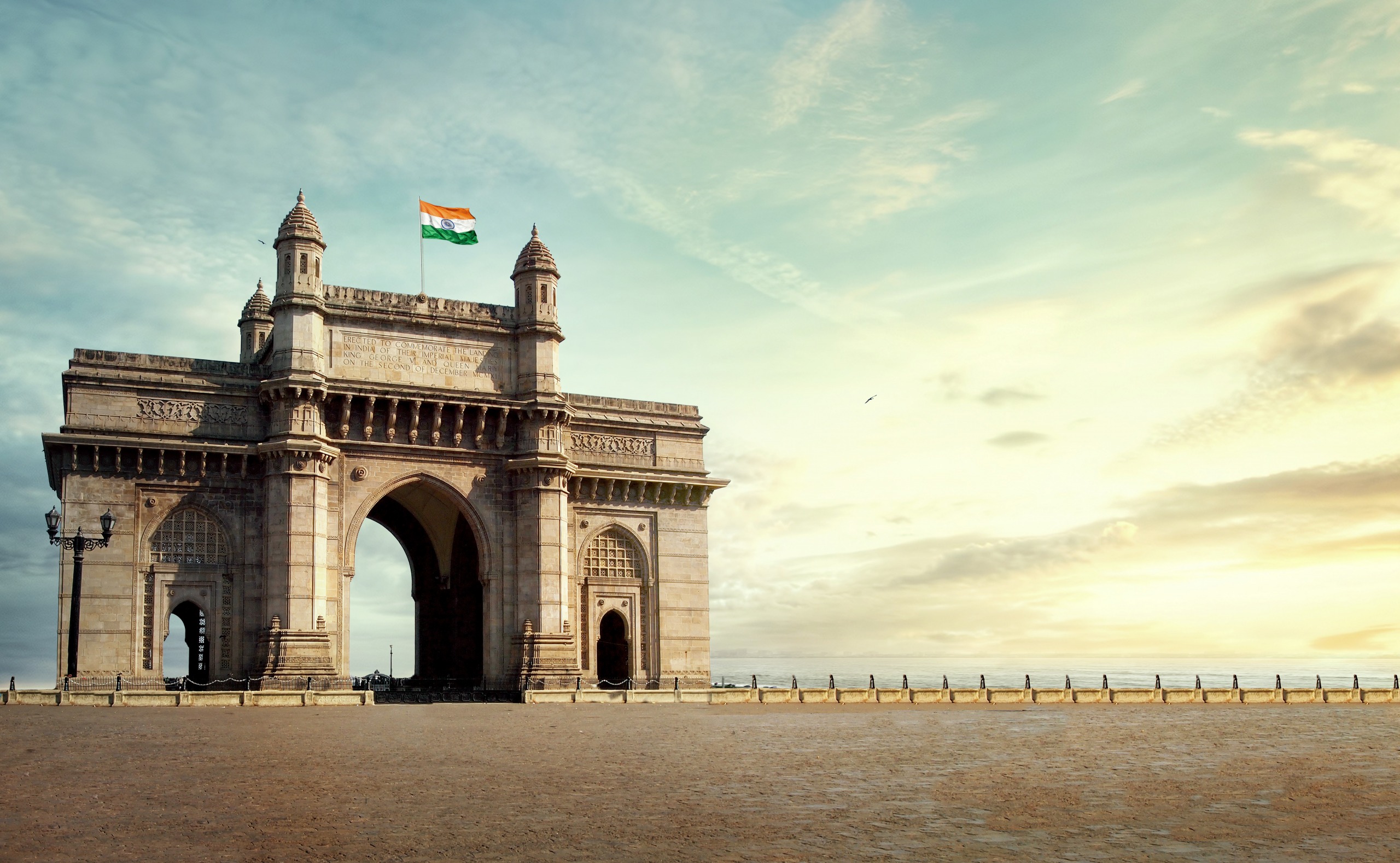
- Gateway of India: iconic monument of Mumbai, a few minutes away.
- Chhatrapati Shivaji Maharaj Terminus: UNESCO-listed station, outstanding example of Indo-Gothic architecture.
To expand your discovery of Indian heritage beyond Mumbai, you can explore other historic sites such as the Alchi Monastery in Ladakh, the Bhopal State Museum, or Anjengo Fort in Kerala.
Frequently asked questions
Frequently asked questions
No. The interior is closed to the public for security reasons linked to its history. Only the exterior is accessible, from the Mumbai University gardens.
It is named after the mother of the benefactor, Premchand Roychand Jain, founder of the Bombay Stock Exchange. Rajabai was blind and a devout practitioner of Jainism; the carillon was meant to allow her to know the time to observe her ritual obligations before sunset.
Access to the university gardens and the tower surroundings is free. No ticket is required.
From November to February, when Mumbai's climate is dry and mild. Avoid the monsoon (June-September) and the heavy heat from March to May.
The tower is within walking distance of the Bombay High Court, Oval Maidan, Flora Fountain, and a short distance from the Gateway of India and Chhatrapati Shivaji Maharaj Terminus. A half-day is sufficient to connect these Victorian and Art Deco heritage sites.
Preparing your trip
The Rajabai Clock Tower integrates naturally into a Mumbai stay centered on colonial and UNESCO heritage. To build an itinerary in India combining major cities, historic sites and landscapes, consult our travels in India.
Nearby
Interested in this visit?
We can include it in your personalised itinerary.