Bikaner
Bikaner
At the gates of the Thar Desert, Bikaner brings together a Rajput fort, a rat temple, intricately carved havelis, and Asia's only camel research farm. A rare stop in Rajasthan.
A desert city nicknamed the land of camels, Bikaner exudes a calm atmosphere ideal for travelers seeking to escape the frenzy of major Indian cities. Within this city of timeless charm stand monuments of considerable character, including a magnificent fort and temples steeped in legend and tradition.
History
The credit for founding Bikaner in 1488 belongs to Rao Bika AD Ji, son of Jodhpur's founder Rao Jodha. Like most Rajput rulers, Bikaner's lords had to face the Mughals and the Lodis. In 1537, they surrendered at the city's gates. Nevertheless, the Raja of Jodhpur managed to reclaim control of the city before forging an alliance with Sher Shah Suri, ruler of Delhi. In 1546, he allowed Rao Kalyanmal to regain the throne of Bikaner.
Before the 16th century ended, with Mughal support, Bikaner's sovereigns seized the city of Jodhpur. Following the decline of the Mughal empire, the previously independent Rajput states fell prey to Maratha invasions, then to British rule. In 1818, a treaty of goodwill was signed between Bikaner's maharaja and the British East India Company. Among Rajasthan's sovereigns, only Maharaja Sardar Singh fought alongside the British. Moreover, Maharaja Ganga Singh was among the signatories of the Treaty of Versailles ending World War I. In 1949, the city of Bikaner and all other Rajput states joined the Indian Union.
Today
Located in the northwestern part of Rajasthan, Bikaner presents itself as a desert city with austere beauty. The city finds its charm in the creations of Rajput civilization, from imposing palaces to temples in red and yellow stone. Nicknamed the land of camels, the region hosts some of the world's finest camel breeding grounds, as well as a research farm dedicated to camelids.
Among Bikaner's must-see sites is Junagarh Fort. Built between 1588 and 1593 at the instigation of Raja Rai Singh, this monument features palace-like embellishments and luxurious suites. The site is protected by a wall roughly one kilometer long with a moat and some thirty bastions. The fort is entered through the Surajpol, meaning the "Gate of the Sun." In the southern section, you'll see a series of palaces forming a picturesque setting with courtyards, towers, and windows. Another attraction worth visiting is Lalgarh Palace, located 3 km north of the city center, built by Maharaja Ganga Singh in honor of his father, Maharaja Lal Singh. Occupying the first floor of the palace, the Shri Sadul Museum, established in 1076, houses a collection of period furniture and personal belongings of Bikaner's maharajas.
Beyond the palaces, Bikaner's architectural and historical heritage includes a series of distinctive temples. Among these stands out the Deshnok Karni Mata Temple. Located in a small village about 30 km south of the city center, this unusual place appeals to the most daring adventurers. The temple is indeed inhabited by sacred rats believed to be incarnations of members of Karni Mata's family, a sage revered by Hindus as an incarnation of the goddess Durga. Another location rich in history and culture, the Jain temple of Bhandasar will captivate architecture enthusiasts. Its construction dates back to the late 15th century, initiated by wealthy Jain merchant Bhandasar Oswal. Over the years, the sanctuary has been beautified through donations by the faithful. The completion of the Bhandasar Temple's foundations required no fewer than forty tons of clarified butter, or ghee. Crowned with a shikhara tower, the sanctuary houses several murals and a collection of miniatures depicting the lives of holy tirthankaras, highlighting scenes of royal courts and processions.
Beyond its rich past and ancient monuments, Bikaner is also known for its camel breeding centers. About 8 km from the city, you'll discover the Camel Farm, Asia's only camel research facility. The reserve is home to approximately 230 dromedaries representing three different breeds. On-site, don't hesitate to ask the staff for permission to ride one of these magnificent creatures and take a short excursion into the desert.
Climate
Bikaner experiences a humid subtropical climate with a dry winter of Cwa type according to the Köppen-Geiger classification. Throughout the year, the average temperature stands at 26.7°C. Average annual rainfall is estimated at 380.5 mm.
The nearest air services to Bikaner are located in Jodhpur. By road, the city is served by a well-maintained road network. You can choose between buses or taxis for the journey. Regarding railway connections, Bikaner is linked to India's major cities, including Jaipur, Delhi, and Udaipur.
Various transportation options are available in Bikaner. Depending on distance and preference, choose between rickshaws, buses, taxis, rental cars, or camels.
What to Do in Bikaner?
- Visit Junagarh Fort
- Experience an unusual adventure at Karni Mata Temple
- Discover the camel breeding farm
- Enjoy a camel ride
- Explore the collections of the Shri Sadul Museum, and more
Attractions in Bikaner
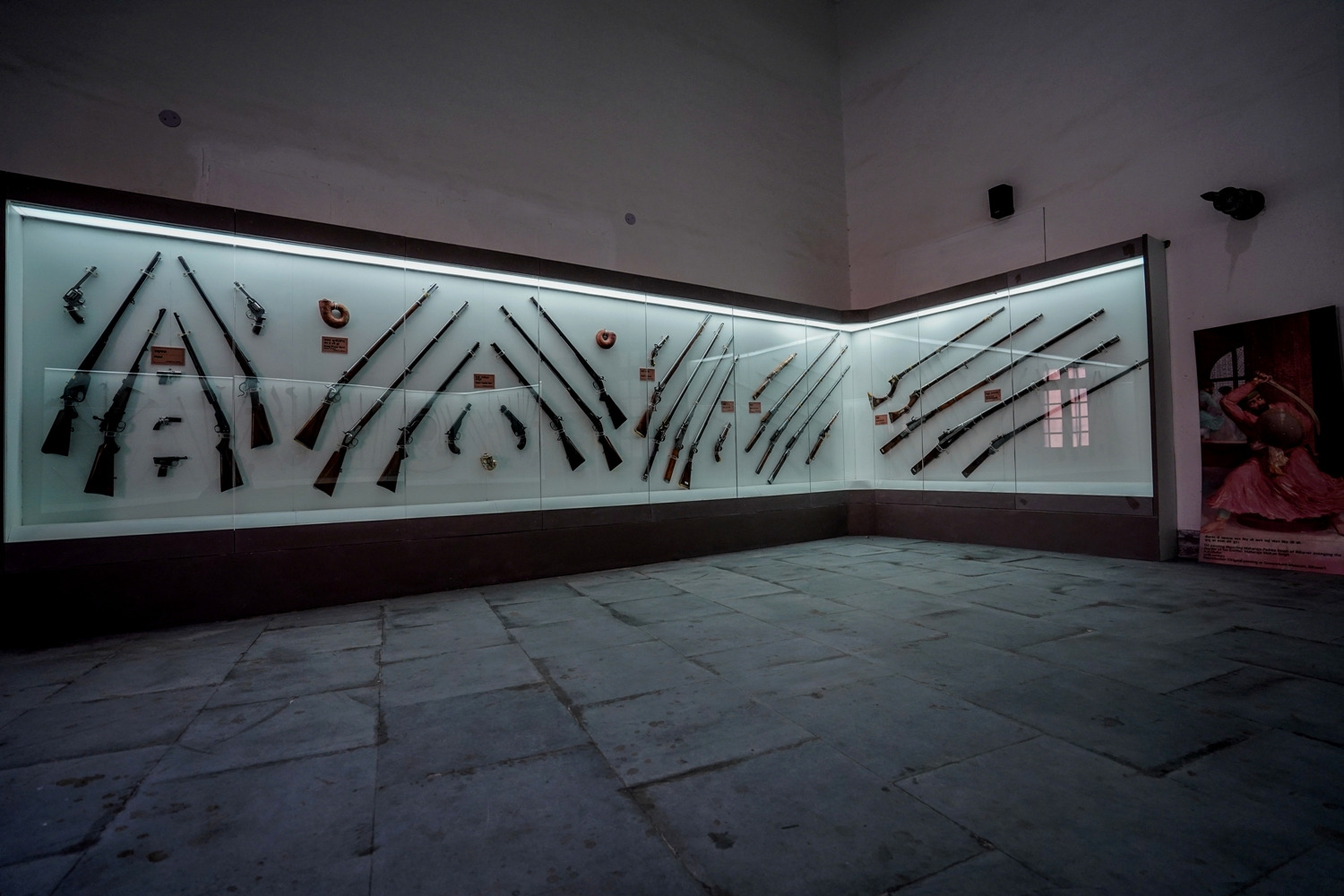
Le Ganga Golden Jubilee Museum
À Bikaner, le Ganga Golden Jubilee Museum réunit fouilles de la vallée de l'Indus, miniatures bikaneries, armes rajputes et manuscrits royaux.
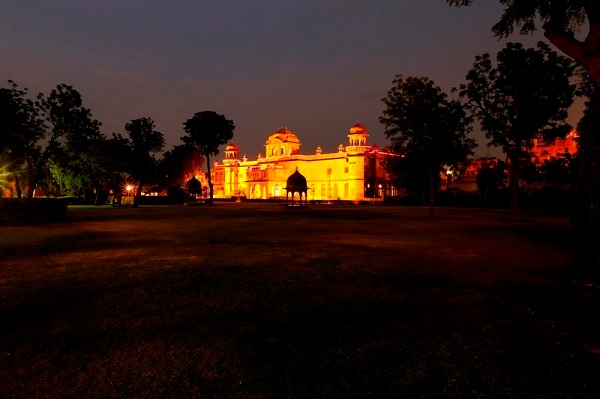
Lalgarh Palace
Construit pour le maharaja Ganga Singh vers 1902, le palais Lalgarh mêle architecture rajpoute, moghole et coloniale. Deux musées, des jalis en grès rouge et un cadre historique intact à 3 km du centre de Bikaner.
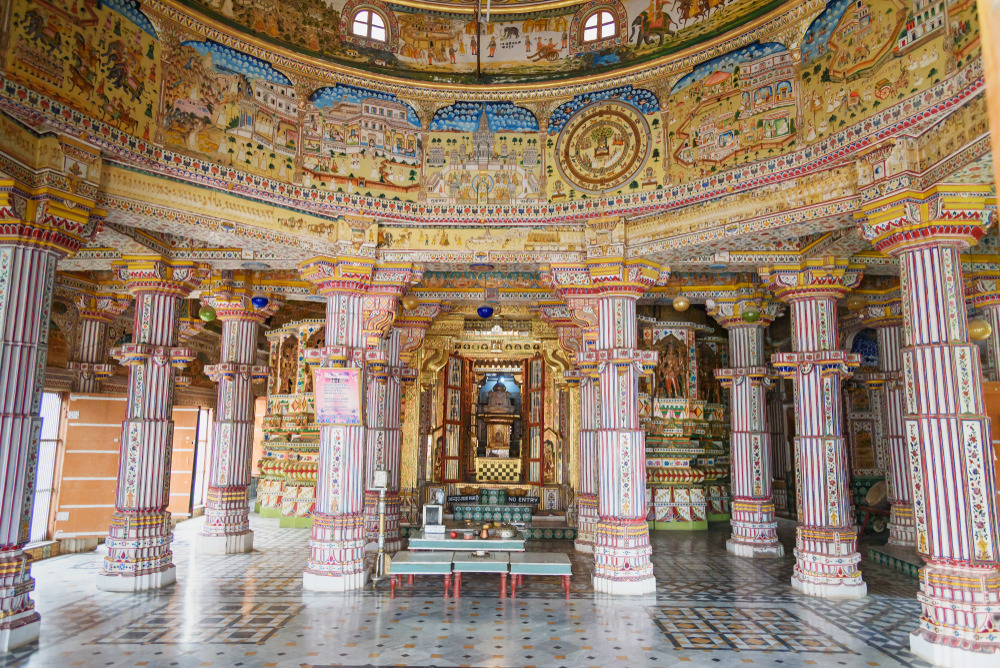
Temple jaïn de Bhandasar
Sanctuaire jaïn Śvetāmbara du XIIe siècle à Bikaner, réputé pour ses fresques colorées et la légende du ghee mélangé à ses fondations.
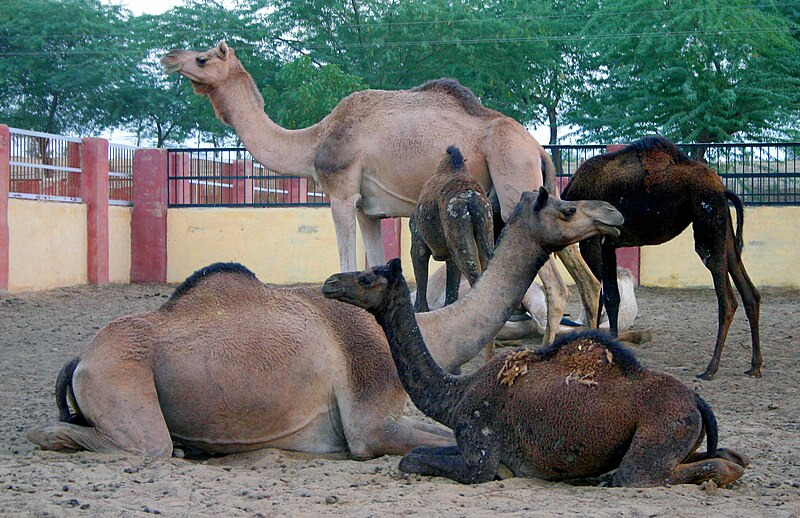
Le Camel Farm de Bikaner
Le National Research Centre on Camels de Bikaner combine recherche scientifique, conservation de quatre races indiennes et découverte du lait de chamelle, en bordure du désert du Thar.
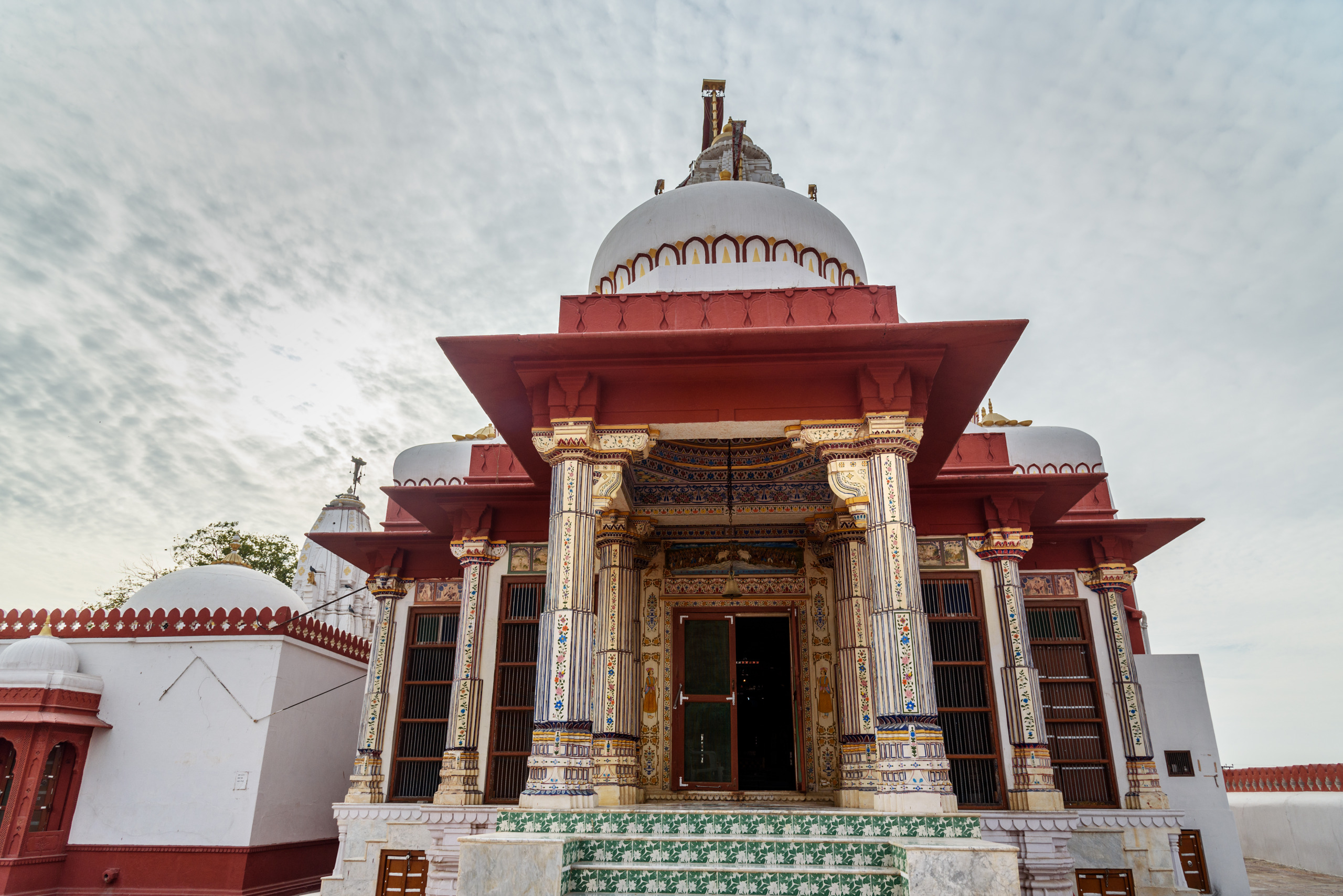
Temple Jaïn de Bhandasar
Édifié en 1468 à Bikaner, le temple jaïn de Bhandasar mêle grès rouge sculpté, fresques à la feuille d'or et la légende du ghee mêlé à son mortier.
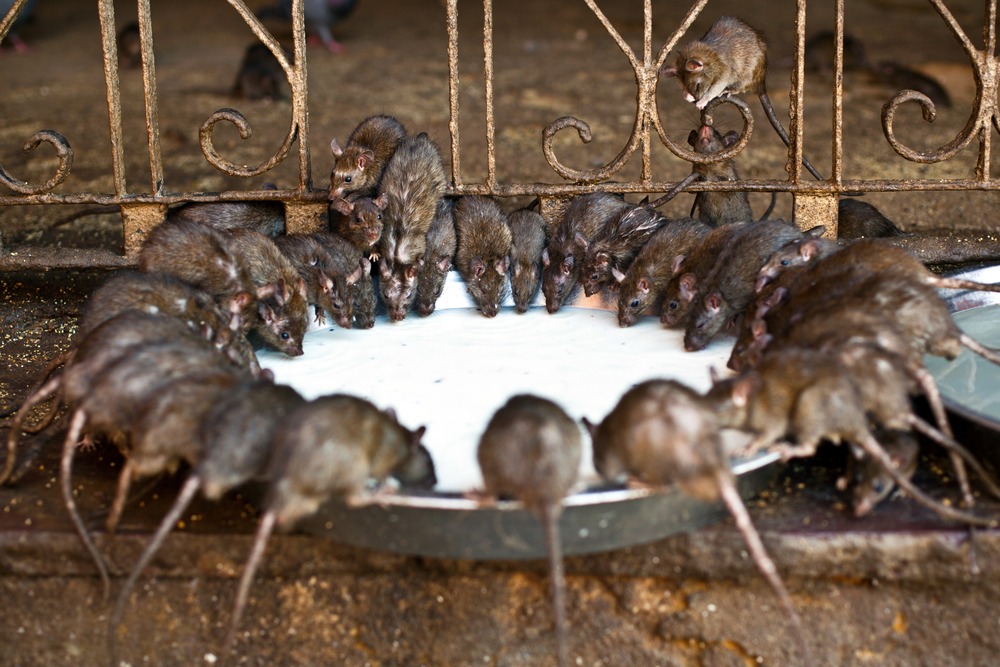
Temple de Karni Mata
À 30 km de Bikaner, le temple de Karni Mata, dit « temple des rats », abrite 20 000 rongeurs vénérés et un sanctuaire dédié à la déesse rajasthanie.
Accommodation in Bikaner
See all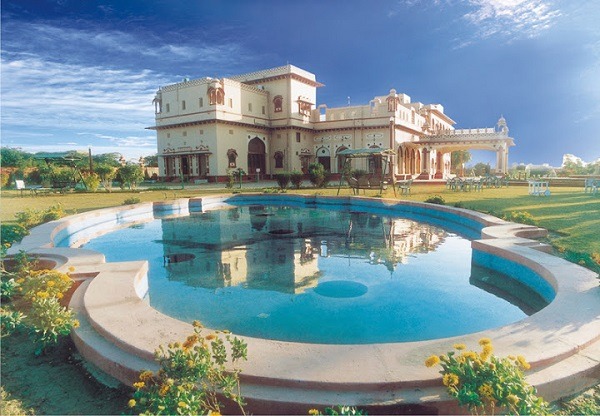
Hotel Basant Vihar Palace
Palais du 19ème siècle reconverti en hôtel patrimonial à Bikaner : 31 chambres au caractère rajpoute, table moghole et emplacement central au Rajasthan.
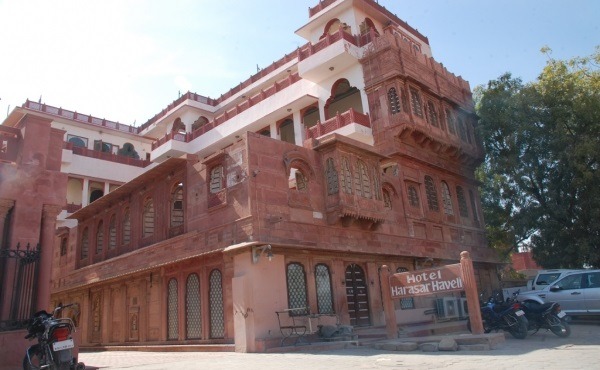
Harasar Haveli
Haveli patrimoniale au centre de Bikaner fondée par un noble du règne du Maharaja Ganga Singhji : 38 chambres rajasthanis, terrasse-restaurant et safaris dans le désert.
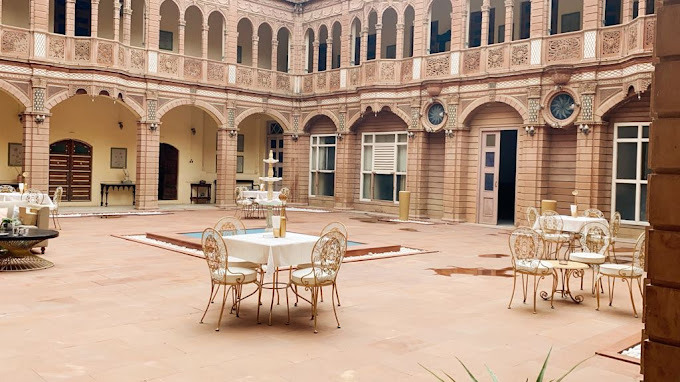
Bhanwar Niwas
Haveli de 1927 classé monument par l'ASI, le Bhanwar Niwas conserve son architecture indo-européenne et l'art Usta dans la vieille ville de Bikaner.
Want to discover this destination?
Our local advisors design your tailor-made trip.