The Indian Botanic Garden
The Indian Botanic Garden
Founded in 1787 in Shibpur near Kolkata, the Indian Botanic Garden brings together 12,000 species across 109 hectares, including the famous Great Banyan.
The Acharya Jagadish Chandra Bose Indian Botanic Garden, more commonly known as the Indian Botanic Garden, sprawls across 109 hectares in Shibpur, in the Howrah district, on the banks of the Hooghly river, near Kolkata. With over 12,000 plant species, it ranks among India's oldest and largest botanical gardens. Formerly called the Calcutta Botanic Garden, it was here that the first Chinese tea plants were acclimatized, giving rise to the tea industry of Assam and Darjeeling.
Why visit this garden
The site combines three compelling interests: an international-caliber botanical collection, historical heritage linked to the British East India Company, and a vast walking space—a rarity in densely populated Kolkata. Here stands the Great Banyan, one of the world's most expansive trees, alongside a globally significant herbarium. The garden appeals equally to plant enthusiasts and travelers interested in India's colonial and scientific history. Worth noting: general park maintenance remains inconsistent, which detracts nothing from the site's heritage value.
Garden history
The garden was founded in 1787 by Colonel Robert Kyd, an officer of the British East India Company. His motivation was primarily economic: to cultivate tea, cinnamon, tobacco, and coffee to feed British imperial trade and combat recurring famines in India. The first Chinese tea plants were transplanted here, paving the way for the expansion of Assam and Darjeeling plantations.
From 1793 onward, botanist William Roxburgh redirected the project toward science. He enriched the collection with specimens from across India and established an herbarium that would become the Central National Herbarium, today home to over 2.5 million specimens. Several major botanists succeeded him: Nathaniel Wallich, William Griffith, and Joseph Dalton Hooker. The garden thus became a nexus between botany, commerce, and colonial politics.
What to see on-site
- The Great Banyan (Great Banyan Tree): its network of aerial roots covers an area with a circumference exceeding 330 meters, making it one of the world's largest trees by ground coverage.
- The Cuban Palm Avenue: an alley lined with towering palms planted in regular alignment.
- The Orchid House: a greenhouse dedicated to tropical orchids, featuring rare species.
- Collections of medicinal and economic plants: they document the historical link between applied botany and agricultural development in India.
- The botanic library: vintage and contemporary volumes on Indian and worldwide flora.
- The serpentine lake: boat rides available depending on conditions.
- Discreet wildlife: jackals, mongooses, Indian foxes, and a few snakes inhabit the site.
Practical information
The garden is open daily except Monday, during daylight hours. Admission is tiered: very modest rates for Indian residents, a higher rate for foreign visitors (though still reasonable, equivalent to a few euros). Allow 2 to 4 hours for your visit depending on your pace and botanical interest. Bring water, a hat, and comfortable shoes—distances between zones are considerable.
When to visit
Kolkata enjoys a tropical climate marked by a summer monsoon (June to September) that makes pathways muddy and showers frequent. The months of November to February offer the most pleasant conditions: moderate temperatures, low humidity, generally clear skies. March to May are hot and oppressive. If you come during the rainy season, vegetation is at its peak but climatic discomfort may cut your visit short. Morning hours offer the gentlest conditions year-round.
How to get there
The garden is located in Shibpur, on the western bank of the Hooghly, across from central Kolkata. Several options:
- By metro: Howrah Maidan station is the closest. From there, taxi or bus to the garden in about ten minutes.
- By bus: the RT-80 line from Howrah serves the Tentultala stop, near the entrance.
- By taxi or rickshaw: the simplest option from central Kolkata, expect around twenty minutes depending on traffic, which can be heavy.
- From Sealdah, Dharmatala, or Maidan: bus and taxi combinations are possible.
Nearby and other sites in India
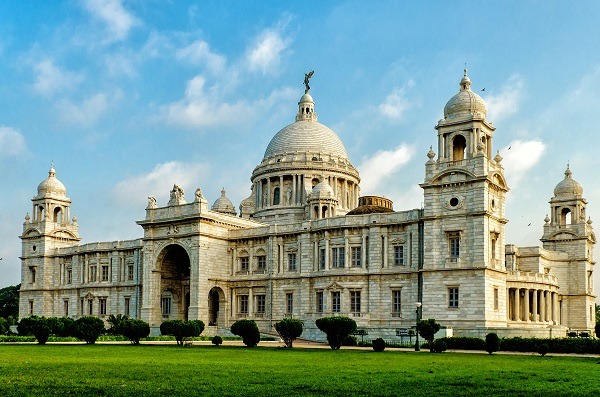
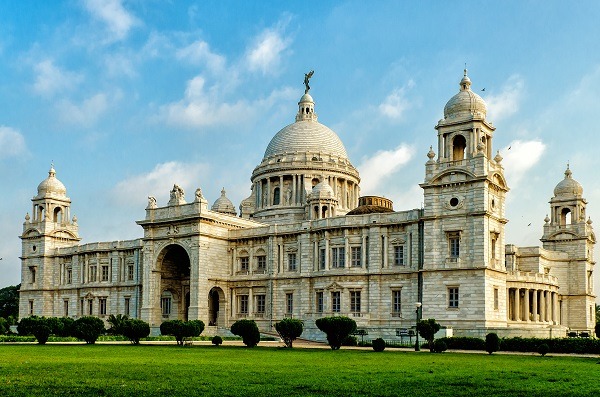
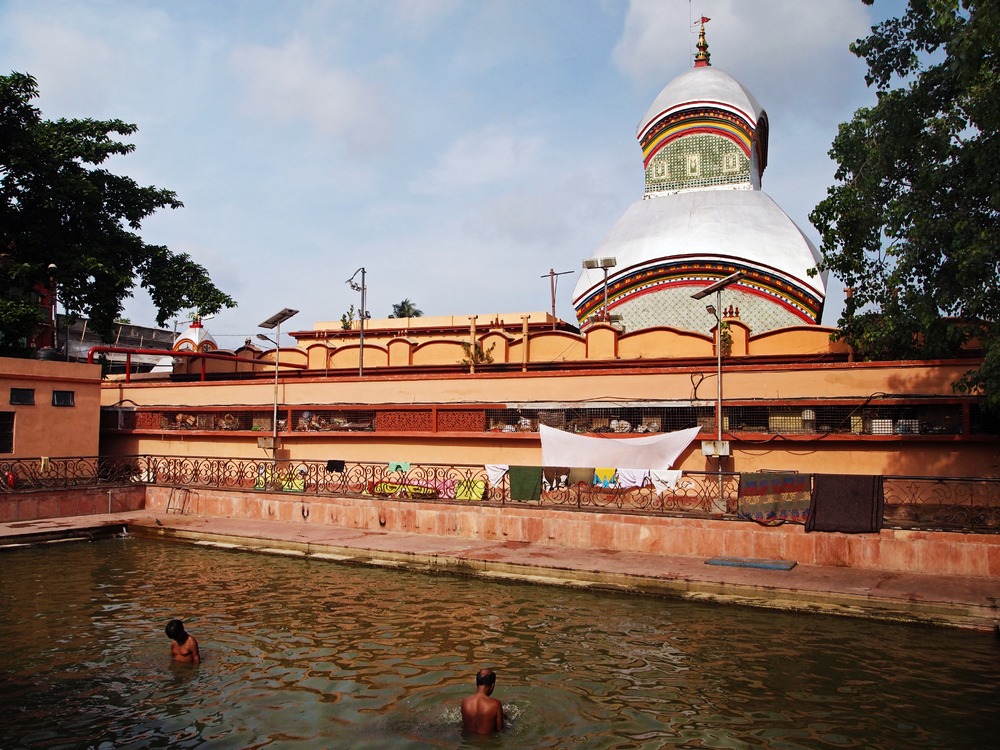
Kolkata abounds with sites to pair with your visit: the Victoria Memorial, Indian Museum, Kalighat Temple, or the ghats along the Hooghly. To extend your exploration of the country's heritage, several other places merit a detour:
- The State Museum of Bhopal and its regional art collections.
- The Alchi Monastery, a Buddhist jewel of Ladakh.
- The Fort Anjengo, testament to European presence in Kerala.
- The Ajit Singh Memorial, commemorative site in the Punjab.
Frequently asked questions
Frequently asked questions
Allow 2 to 4 hours to explore the main zones (Great Banyan, Palm Avenue, Orchid House, lake). A thorough visit of the entire 109-hectare site could occupy a full day.
No, maintenance is uneven and certain areas are in poor condition. This does not undermine the botanical and historical interest of the site, but expect poorly marked pathways and aging facilities.
Yes, boat rides are offered on the serpentine lake, subject to weather conditions and service availability on the day of your visit.
November through February, when Kolkata's climate is dry and mild. Avoid the monsoon (June–September) if you're wary of showers, and the hot period of March–May if you dread humid heat.
Extend your journey
The Indian Botanic Garden integrates perfectly into a cultural itinerary in Kolkata, an ideal gateway for exploring eastern India. To build your tailor-made journey, consult our travels in India and combine colonial heritage, botanical sites, and major stops in the north.
Nearby
Interested in this visit?
We can include it in your personalised itinerary.