Beas River
Beas River
From Alexander's mutiny to the rapids of Kullu valley, the Beas River merges ancient history, Hindu sacred significance and Himalayan adventure terrain.
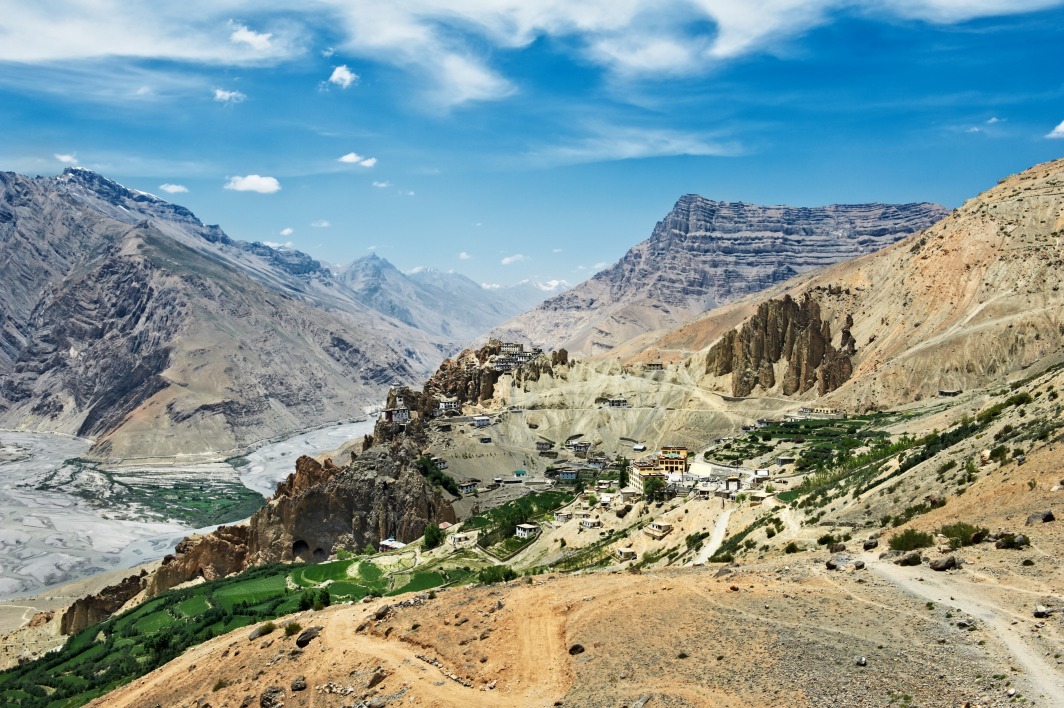
The Beas River flows through the Kullu and Manali valleys in Himachal Pradesh before continuing its course toward the plains of Punjab. Known as Arjikuja in the Vedas, it combines deep historical roots, religious importance for Hindus and a recognized playground for rafting and trekking.
Why visit the Beas River
The Beas stands out through three dimensions that rarely overlap on the same waterway:
- A historical legacy: it marks the eastern frontier of Alexander the Great's conquests in 326 BC.
- A religious dimension: associated with the sage Rishi Vyas, it remains a site of ritual bathing for Hindu pilgrims.
- An active natural setting: its whitewater sections around Kullu attract rafters and trekkers toward the valley's peaks.
History and cultural heritage
Vedic texts mention the river under the name Arjikuja, making it one of the oldest documented waterways on the subcontinent. It later appears in Greco-Roman sources as the Hyphasis: here, in 326 BC, the troops of Alexander the Great refuse to advance further. According to Arrian, the Macedonian king retreats to his tent for three days in the face of this mutiny before accepting the return. Before leaving, he ordered the construction of twelve colossal altars to mark the eastern boundary of his expedition.
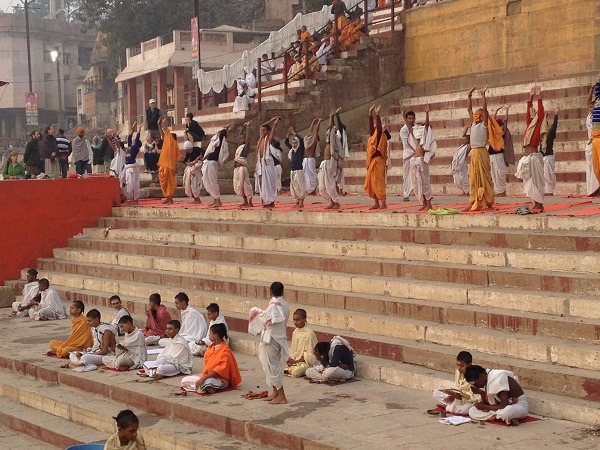
The sacred dimension of the river is equally ancient. The sage Rishi Vyas, to whom tradition attributes the compilation of the Mahabharata, is associated with its waters: ritual bathing is still practiced there. For Hindus, the waters of the Beas are believed to possess healing properties, particularly against certain skin infections — a belief that belongs to the religious rather than medical realm.
In the twentieth century, the river entered a phase of industrial development with the Beas Project, designed for irrigation and hydroelectricity. The Pong Dam, completed in 1974, was initially built to irrigate lands upstream of Talwara before being equipped to generate electricity. The first phase of the Pandoh Dam was completed in 1977; a system of tunnels and canals then diverted part of the flow between Pandoh and Pong.
What to see and do along the river
Rafting in Kullu valley
Navigable sections concentrate between Pirdi and Jhiri, downstream of Kullu. The rapids are classified as grades II and III, accessible to beginners with guidance. Plan for approximately 1 to 2 hours on the water depending on the section. Several local operators provide equipment and guides; it is recommended to verify the operator's registration with Himachal Pradesh tourism authorities.
Trekking from the valley
The Beas valley provides access to several peaks frequented by trekkers and mountaineers:
- Hanuman Tibba (5,982 m)
- Friendship Peak (5,289 m)
- Shitidhar Peak (approximately 5,250 m)
- Ladakhi Peak
These climbs require prior experience and, for most, a permit issued by the Indian Mountaineering Foundation.
Riverside sites around Manali
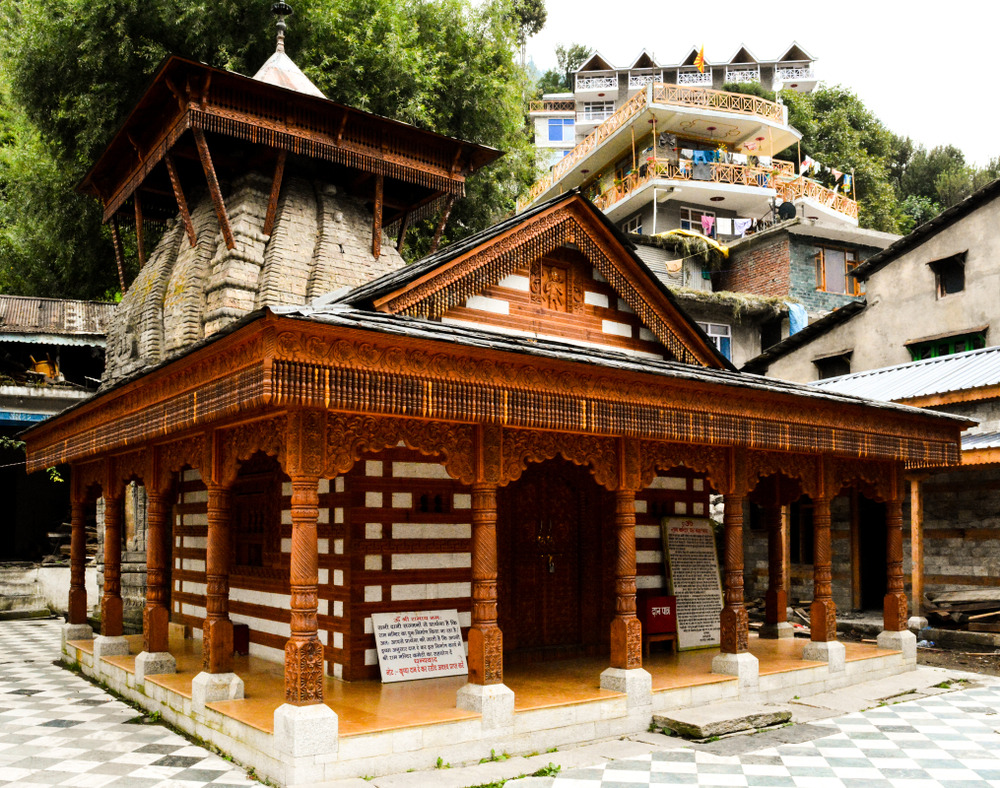
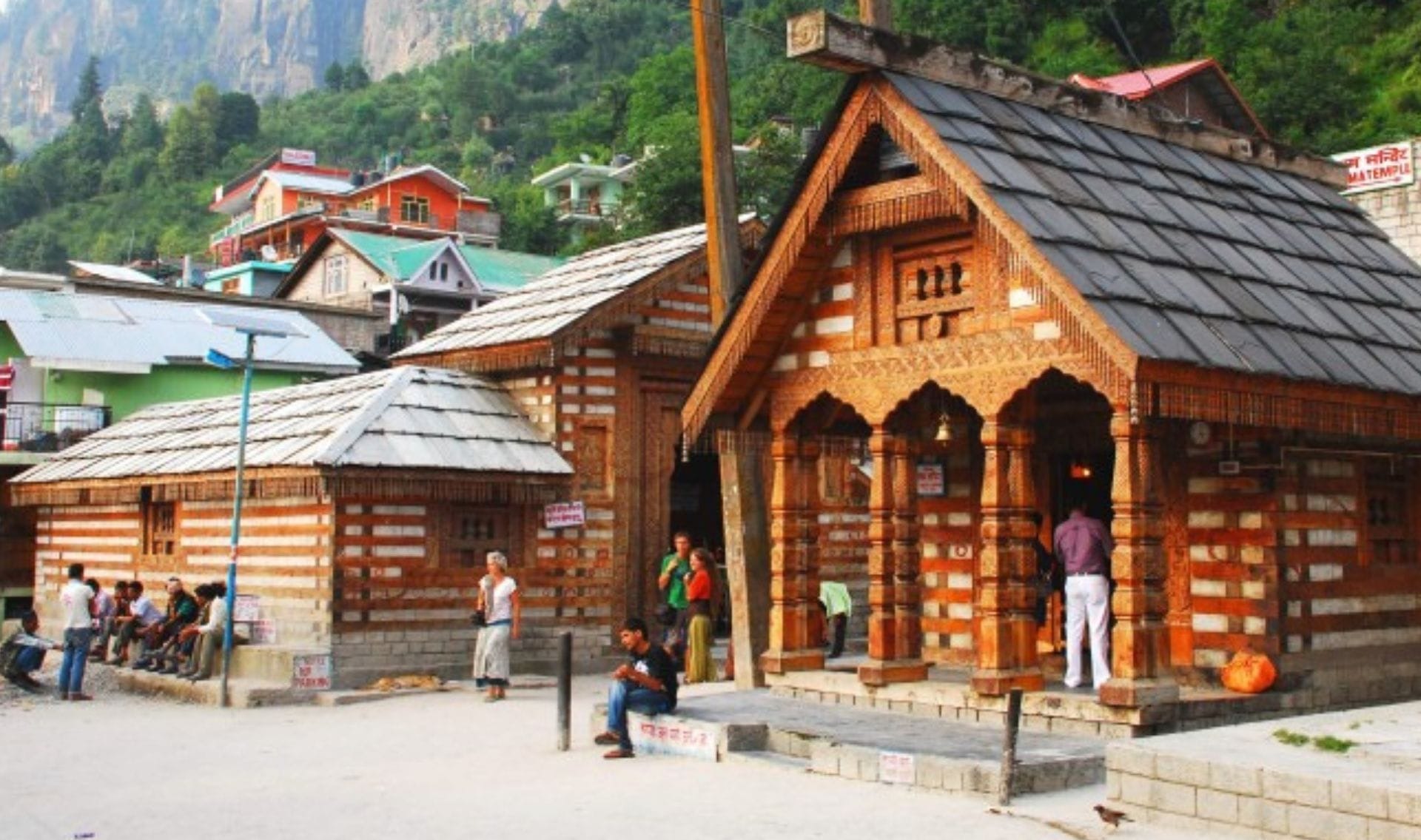
The riverbanks shelter several ritual bathing spots and small shrines. The bridges at Vashisht and Manali offer convenient observation points over the river's torrential course at this altitude.
When to go
- April to June: most stable period for rafting, moderate flow, pleasant valley temperatures.
- July to September: monsoon. Flow increases substantially, rafting is suspended on most sections and mountain roads can be cut off by landslides.
- October to November: excellent window for high-altitude trekking, clear skies.
- December to March: upper valley snow-covered, Rohtang Pass closed for part of winter.
Practical information
- Source: south face of the Rohtang Pass, at approximately 4,361 m altitude — this is the origin point; the navigable course lies significantly lower, around Kullu.
- Level required for rafting: no prior experience necessary on grade II-III sections, but swimming ability is essential.
- Equipment: helmet, life jacket and wetsuit provided by operators; bring quick-drying clothing and closed-toe shoes.
- Altitude: Manali sits at approximately 2,050 m. An acclimatization day is recommended before any sustained effort.
- Rates: moderate for rafting, higher for mountaineering expeditions with permits.
How to get there
There is no direct connection (flight, train or bus) to the upper course of the Beas. Access is from Manali or Kullu, which are themselves served by overnight buses from Delhi (12 to 14 hours) or by flight to Bhuntar airport (Kullu-Manali). To reach certain lower sections, the most convenient option remains taking a taxi from Jalandhar (Punjab), which has a well-connected railway station.
Nearby
Northern India lends itself to itineraries combining Himalayan nature and urban heritage:
- The Jallianwala Bagh memorial in Amritsar, a historical stop on the Punjab route.
- The Lakshmi Narayan Temple in Delhi, to extend the Hindu religious dimension.
- The Gurudwara Bangla Sahib, a major Sikh site in the capital.
- The Jama Masjid of Delhi, one of the country's largest mosques.
Frequently asked questions
Frequently asked questions
Plan your trip
The Beas River fits naturally into a circuit in northern India combining the Himalayas, Kullu valleys and Punjab plains. To build a tailor-made itinerary including Manali and its surroundings, explore our trips to India.
Interested in this visit?
We can include it in your personalised itinerary.