State Museum Bhopal
State Museum Bhopal
On the Shymala Hills in Bhopal, the State Museum brings together in 17 galleries the archaeology, art and crafts of Madhya Pradesh, from the Ramayana to traditional instruments.
The State Museum Bhopal houses on the Shymala Hills a comprehensive collection of archaeological, artistic and ethnographic treasures from Madhya Pradesh. Its 17 thematic galleries span a broad chronology, from regional prehistory to contemporary works, in a modern building designed to maximize natural light and visitor flow.
Why visit the State Museum Bhopal
The museum offers a coherent entry point for understanding the cultural history of central India. Three reasons make it a worthwhile stop during a stay in Bhopal :
- A comprehensive overview of Madhya Pradesh : archaeological objects, mythological paintings, regional crafts and musical instruments are brought together under one roof, eliminating the need to visit scattered sites.
- Unique pieces : ivory statue of Akbar and Maharaja Ranjeet Singh, rare traditional instruments, the first British stamp from 1840, ancient coins.
- A natural complement to the adjacent Museum of Man, which explores the tribal ethnographic dimension of the same state.
Museum history
The institution was founded in 1909 under the name Edward Museum, initially housed in Bhopal's central library. It originally served to preserve the city's earliest archaeological discoveries.
By 1964, the establishment evolved into a dedicated museum with official cultural status. The growing collections soon required a new home: a new building was inaugurated in 2005 by Shivraj Singh Chouhan, Chief Minister of Madhya Pradesh. The contemporary architecture emphasizes natural light, broad ramps and open spaces, conforming to current museum standards.
What to see in the galleries
The 17 thematic galleries are distributed across multiple levels. Here are the collections not to miss.
Antiquity and archaeology galleries
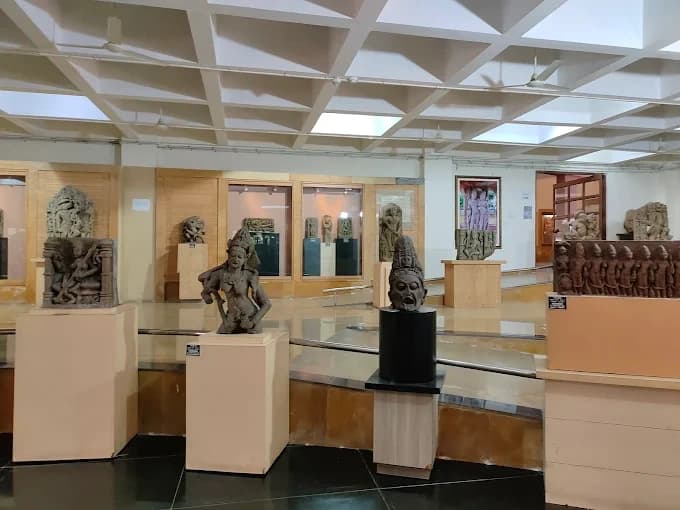
Prehistoric tools, excavation pottery, ancient sculptures and artifacts illustrate the civilizations that occupied Madhya Pradesh. Pieces from regional protohistoric sites hold a prominent place: funerary vessels, jewelry, everyday utensils.
Musical instruments gallery
This section showcases traditional Indian instruments : Mayuri Israj, Sur Bahar, Chandra-Sarang, Hansa Bela. Each testifies to a musical art still practiced in certain regional traditions and complements the rare instrument collections held in India.
Paintings and crafts
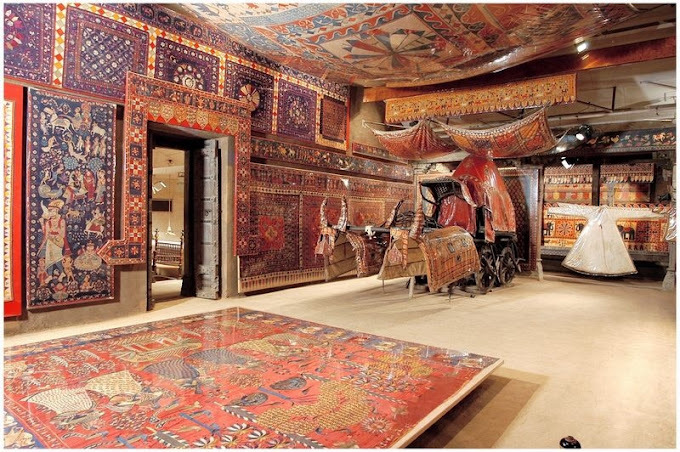
The art galleries display mythological scenes from the Ramayana, including Sita-Swayambara and Bharat-Milap. The ivory statue depicting Akbar and Maharaja Ranjeet Singh ranks among the most remarkable pieces. Regional textiles, with intricate patterns, document the craftsmanship of generations of Madhya Pradesh artisans.
Coins and philately
The numismatic collection traces the monetary evolution of the region over several centuries. The philatelic section includes the first British stamp issued in 1840, the famous Penny Black, along with more recent Indian series.
Natural history
A complementary gallery presents fossils and minerals from Madhya Pradesh's underground resources, useful for placing archaeology within its geological context.
Practical information
Address : Shymala Hills, Bhopal, Madhya Pradesh, India.
The museum typically opens Tuesday to Sunday during daytime hours, closed Mondays and certain public holidays. Admission is modest for Indian nationals and higher for foreign visitors, with an additional fee for professional photography. It is recommended to check current access conditions before your visit.
Plan 1.5 to 2 hours to tour all the galleries without rushing. Arriving in early afternoon leaves time to move on to the Museum of Man located nearby.
How to get there
Bhopal is connected to the rest of the country by rail (a busy central station on the Delhi-Mumbai route) and by the Raja Bhoj Airport, located about fifteen kilometers from the city center. Once in town, taxis, auto-rickshaws and local buses serve the Shymala Hills. The museum is situated in a peaceful residential area, adjacent to the Museum of Man (Indira Gandhi Rashtriya Manav Sangrahalaya).
Nearby attractions
Several sites complement your visit, in Bhopal and across Madhya Pradesh :
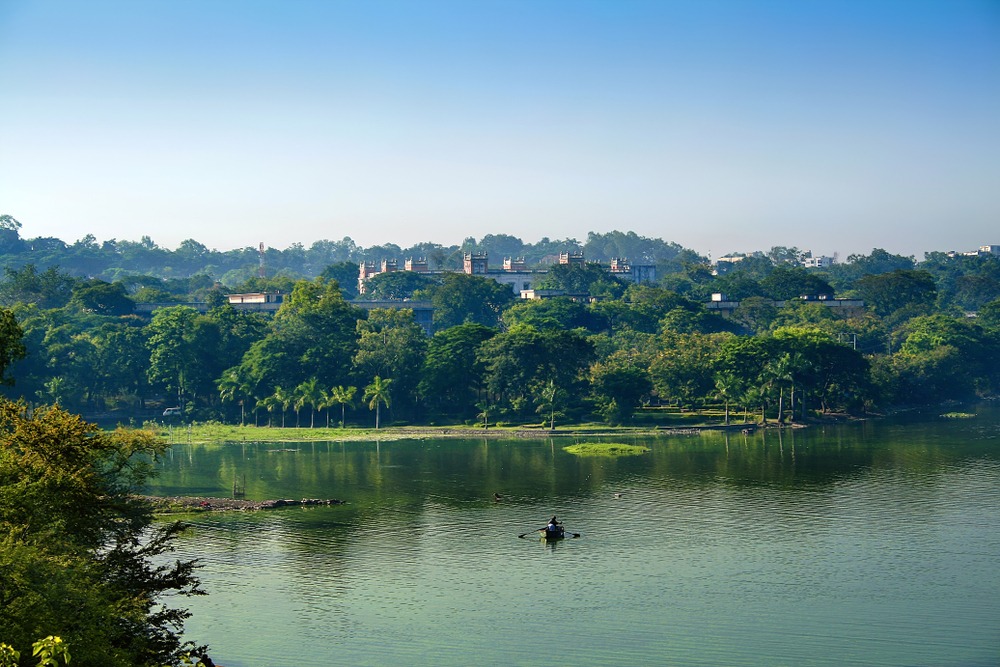
- Lower Lake : one of Bhopal's two large urban lakes, pleasant in the late afternoon.
- Bhedaghat : marble gorges on the Narmada, worth including on the route to Jabalpur.
- Chanderi : fortress-city renowned for its sari weaving and architecture blending Hindu and Sultanate influences.
- Bahoriband : archaeological site known for its monumental Jain statue.
- Lal Bagh Palace : royal residence in Indore, interesting for the contrast it offers with Bhopal's collections.
Frequently asked questions
Frequently asked questions
A complete tour of all 17 galleries takes between 1.5 and 2 hours. Archaeology and religious art enthusiasts may wish to spend longer, particularly in the antiquity and mythological paintings sections.
The building inaugurated in 2005 was designed with broad ramps and open spaces that facilitate circulation, making it one of India's most accessible museums.
Photography is permitted subject to a fee, particularly for professional equipment. Exact conditions may vary: it is best to check at the entrance.
The Museum of Man (Indira Gandhi Rashtriya Manav Sangrahalaya), located on the same Shymala Hills, perfectly complements your visit with its ethnographic approach to India's tribal cultures.
The dry season, from October to March, offers the most comfortable temperatures for combining museum visits with excursions to Sanchi, Bhimbetka or nearby archaeological sites.
Include the State Museum in a trip to India
The State Museum Bhopal fits naturally into a circuit dedicated to Madhya Pradesh, between the stupas of Sanchi, the painted shelters of Bhimbetka and the temples of Khajuraho. To build a tailor-made itinerary including Bhopal and its surroundings, explore our travels in India.
Nearby
Interested in this visit?
We can include it in your personalised itinerary.