Indira Gandhi Rashtriya Manav Sangrahalaya (Museum of Mankind)
Perched on Shyamla Hills in Bhopal, the Museum of Mankind brings together full-scale tribal habitats, ritual collections and rock art galleries to explore India's cultural diversity.
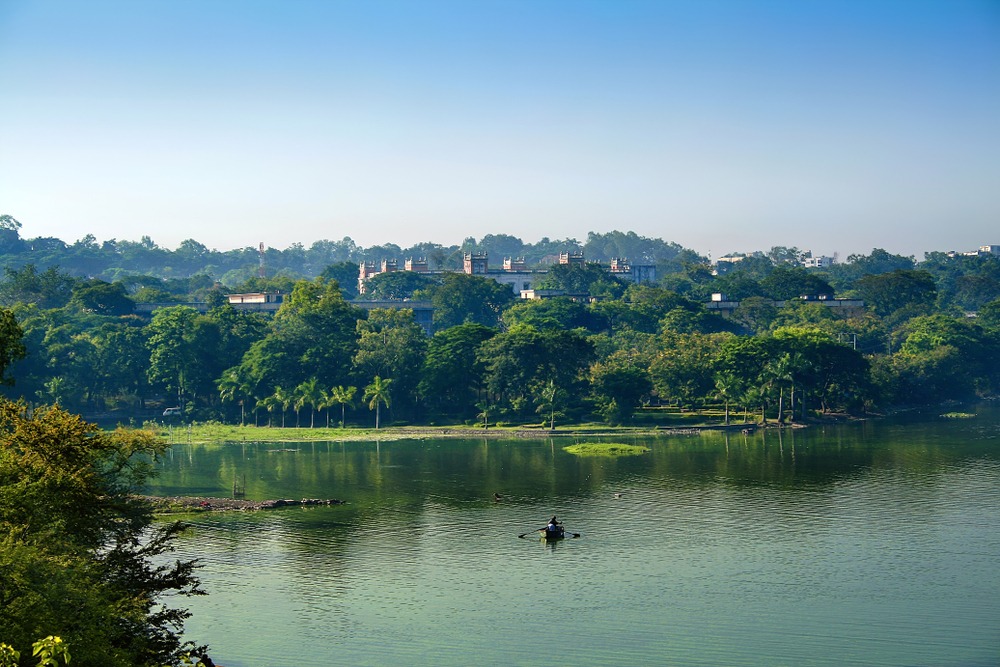
Perched on the Shyamla Hills overlooking Upper Lake, the Indira Gandhi Rashtriya Manav Sangrahalaya — better known as the Museum of Mankind — is an open-air ethnographic museum dedicated to India's tribal and traditional cultures. Sprawling across dozens of hectares, it assembles reconstructed habitats, ritual objects and artistic expressions from communities often underrepresented in mainstream tourism circuits.
Quick reference: Essential information
- Admission: paid entry (differentiated rates for Indian residents and foreign visitors)
- Closed: Mondays
- Suggested duration: 2 to 3 hours to explore the outdoor grounds and interior galleries
- What to wear: comfortable walking shoes recommended — the terrain is hilly
- Access: Shyamla Hills, a few kilometres north of Bhopal's centre; reachable by auto-rickshaw or taxi
What you'll see
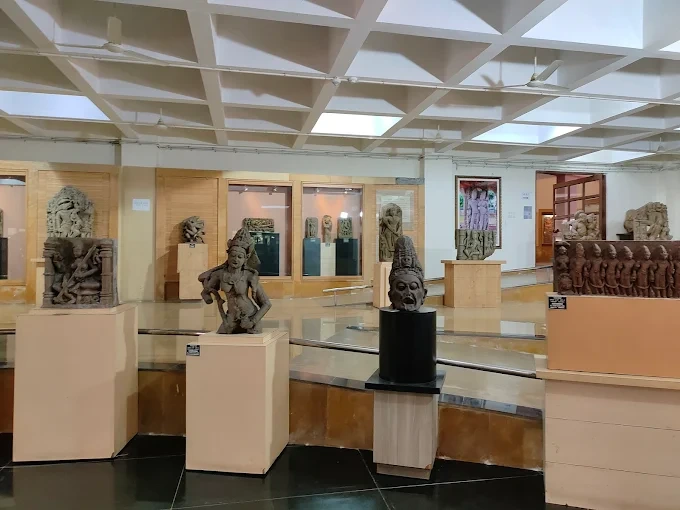
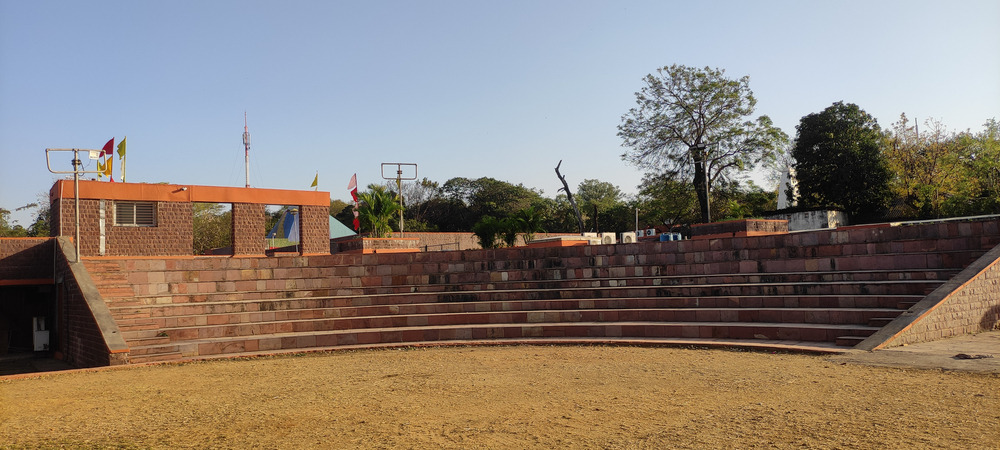
The museum divides into an open-air section and permanent galleries. Outdoors, full-scale reconstructed habitats reproduce the vernacular architecture of different regions: tribal dwellings from Madhya Pradesh, grain stores, ceremonial spaces. Interior galleries display collections of rock art, textiles, ornaments and ritual objects from dozens of ethnic groups.
One section is dedicated to prehistoric rock paintings, directly connected to nearby regional sites like Bhimbetka.
History and context
Founded in 1977 under the aegis of the Indian government, the museum's mission is to document and preserve the living heritage of the country's tribal and rural communities. Its name pays homage to Indira Gandhi. Run by the Ministry of Culture, it ranks among the few open-air ethnographic museums of this scale in South Asia.
Highlights of your visit
The outdoor park
The habitat reconstructions allow comparison of building techniques — bamboo, wattle-and-daub, carved wood — across geographical zones. Some structures have been carefully dismantled and reassembled stone by stone or beam by beam from their regions of origin.
The rock art gallery
This section establishes a dialogue between the region's prehistoric paintings and the contemporary graphic expressions of tribal communities. It contextualizes sites such as Bhimbetka, a UNESCO World Heritage Site.
Textile and ritual collections
Ornaments, musical instruments, ceremonial masks and weavings illustrate the diversity of cultural practices across India. Labels are provided in Hindi and English.
Photography tips
Morning light is ideal for photographing the outdoor habitats, before the sun climbs too high. The textures of materials — thatch, wood, earth — stand out beautifully in raking light. Check restrictions at the entrance to interior galleries, where photography may be limited in certain sections.
Location and access
The museum sits in the Shyamla Hills neighbourhood, north of Upper Lake. Central Bhopal and the main railway station are a few kilometres away. Auto-rickshaws and taxis are the most convenient way to reach it. The hilly terrain makes accessibility for visitors with reduced mobility partial on the outdoor grounds; interior galleries are more accessible.
Immediately nearby, the Upper Lake (Bada Talab) offers a pleasant walk to complement your visit.
Around the museum
- Bhimbetka Caves — UNESCO site roughly 45 km away, with rock paintings dating back 30,000 years, in direct resonance with the museum's collections.
- Upper Lake — Bhopal's largest urban lake, steps from the museum, ideal for a late-afternoon break.
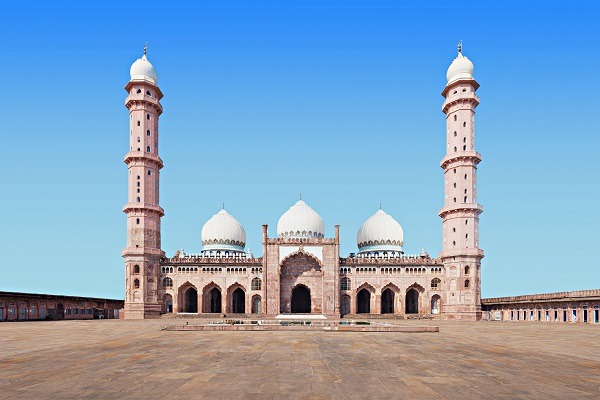
- Taj-ul-Masajid — one of India's largest mosques, in central Bhopal.
- Sanchi Stupa — UNESCO-listed Buddhist site, roughly 46 km from Bhopal.
Frequently asked questions
October to March brings dry, cool weather — perfect for exploring the outdoor grounds. Avoid the monsoon season (July–September), when exterior paths can become slippery.
Budget 2 to 3 hours to see the outdoor habitats and main interior galleries. Half a day is enough for a thorough visit.
Absolutely — it's a logical pairing. Bhimbetka lies about 45 km from Bhopal. Allow a full day to visit both, starting with Bhimbetka in the morning.
It's generally permitted in the outdoor park. Some interior galleries may have restrictions; check at the entrance.
The outdoor terrain is hilly with partial accessibility. Interior galleries offer easier access. Wear shoes with non-slip soles.
Nearby
Interested in this visit?
We can include it in your personalised itinerary.