Chanderi
Chanderi
Historic town in Madhya Pradesh, Chanderi brings together a medieval fort, Mughal and Bundela monuments, and a traditional weaving tradition still thriving today.
Chanderi is a historic town in Ashoknagar district, in the state of Madhya Pradesh, located approximately 214 km from Bhopal. Surrounded by hills, lakes and forests, it preserves a dense collection of monuments built under the Pratihara, Khilji, Mughal and Bundela dynasties. Chanderi is also an active weaving center, known for its Chanderi saree, a textile protected by a Geographical Indication since 2005.
Why visit Chanderi
Chanderi combines three interests rarely found on a single site in central India: architectural heritage spanning eight centuries, a military history marked by the 1528 battle with Babur, and a living craft economy with over 3,500 active looms. The town remains off the beaten tourist trail, making it a peaceful stop between Orchha, Khajuraho and Gwalior.
History of Chanderi
The earliest written mention of Chanderi dates back to 1030, in the writings of Persian scholar Al-Biruni. The town is conquered in 1251 by Ghiyas ud din Balban for the Delhi sultan Nasiruddin Mahmud. In 1438, after a lengthy siege, the Malwa sultan Mahmud I Khilji takes it. Later, Rana Sanga of Mewar retakes the region and installs Medini Rai, a former rebel minister of Sultan Mahmud II, as sovereign of Chanderi, which becomes his capital.
In 1528, Mughal emperor Babur captures the city during the Battle of Chanderi. He witnesses the ritual of jauhar, where Rajput women take their own lives by jumping into a sacred fire to escape dishonor, followed by the saka, the final combat fought by the surviving men.
The following year, Puran Mal retakes the city. Chanderi comes under the control of Sher Shah Suri in 1542, then becomes a Mughal district under Akbar. In 1586, the Bundela Rajputs take it and retain it until its annexation by the Marathas in 1811. It briefly falls under British control before being merged with Madhya Pradesh upon the state's creation in 1956.
What to see in Chanderi
The fort and the Jauhar memorial
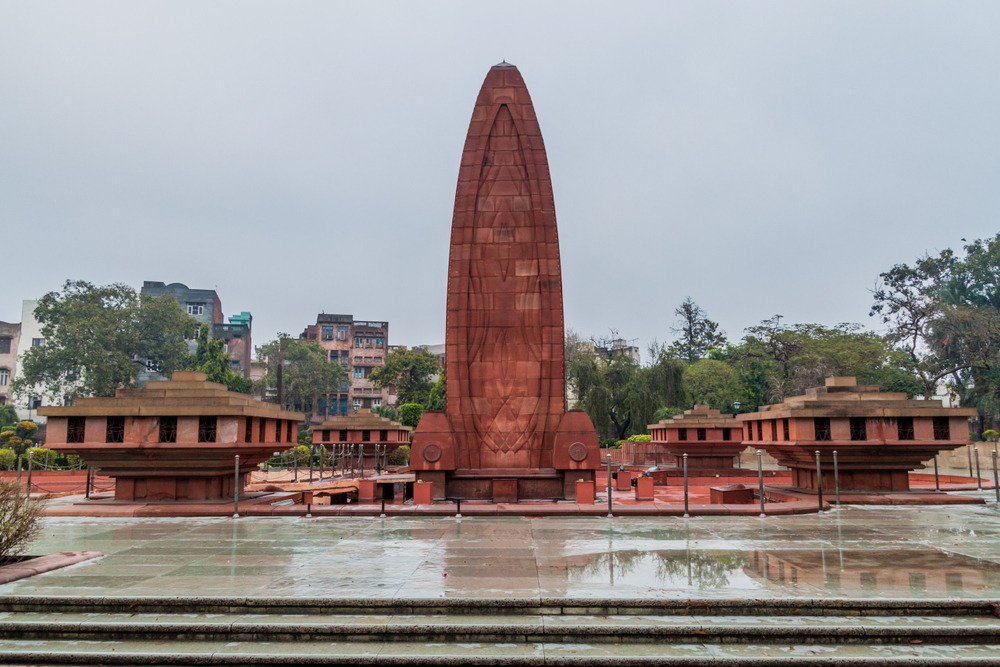
Chanderi fort was built in the 11th century by Pratihara king Kirti Pal. Its walls extend approximately five kilometers and feature three main gates. Inside, the Jauhar memorial honors some 600 Rajput women (approximate figure) who died in the 1528 ritual. A stone plaque tells the story of this episode.
Koshak Mahal
Koshak Mahal was built in 1445 by sultan Mahmood Shah Khilji to celebrate his military victory over Mahmood Sharki at Kalpi. The building features a square structure with four identical pavilions arranged at the four corners of a central courtyard. The high arches and decorative ceiling patterns illustrate the architectural expertise of the Malwa school.
Chanderi Museum
The municipal museum houses ancient sculptures, stone carvings, prehistoric objects and fragments of Jain temples found in the area. The collection offers a good overview of the historical depth of the region before visiting the outdoor sites.
Khandargiri
This Jain site comprises six secular caves and a monumental statue of 14 meters depicting Rishabhnath, the first Tirthankara of Jainism also known as Lord Adinatha. The hilltop offers panoramic views of Chanderi and its surroundings.
Shehzadi ka Roza
This gray sandstone mausoleum was erected in the 15th century by governor Hakim in honor of his daughter Mehrunnisa. Local oral tradition tells of a star-crossed love story between the young woman and a commoner. The interior is distinguished by its sculptured arches, jali panels (stone lattice) and decorative medallions.
Jama Masjid
Built in the 13th century, probably during the reign of Ghiyas ud din Balban, Jama Masjid has a notable peculiarity: it has no minarets. The entrance portal is carved with geometric and floral patterns. The structure follows the classical layout: open courtyard, columned galleries to the north and south, prayer hall to the west.
The Chanderi saree and weaving
Weaving is inseparable from Chanderi's identity. Local tradition traces the saree's origins to the Vedic period, but confirmed written sources are later. Artisans produce three types of fabrics: pure silk, silk-cotton blend and pure cotton.
The characteristic lightness and transparency of the fabric rest on a precise technique: the yarn is not degummed before weaving, which preserves its suppleness. Motifs draw inspiration from nature — flowers, birds, geometric figures — and are enhanced with zari, gold or silver thread.
The town today has over 3,500 active looms. The Chanderi saree obtained a Geographical Indication (GI) in 2005, which protects the name and authenticity of production. Workshops can be visited and most weavers sell their pieces directly.
When to visit Chanderi
The most favorable period extends from November to February, with dry weather and manageable daytime temperatures. The months of March to June are marked by intense heat, and the monsoon (July to September) makes some secondary access less practical, though the vegetation around the town is particularly lush during this time.
How to reach Chanderi
Chanderi is accessed mainly by road. The two nearest railway stations are Lalitpur (approximately 40 km) and Jhansi (approximately 120 km), both served by trains connecting Delhi to Bhopal. From these stations, allow one to three hours by road. Renting a car with driver remains the simplest solution for visiting the town and its surroundings.
Nearby
Chanderi fits naturally into a broader circuit through central India. Several sites can complement your visit:
- Bhedaghat: marble gorges on the Narmada, in Madhya Pradesh.
- Bahoriband: archaeological site to the southeast, known for its monumental Jain statue.
- Bara Imambara: major Mughal monument in Lucknow.
- Bagore Ki Haveli: Rajasthani haveli turned museum in Udaipur.
Frequently asked questions
Frequently asked questions
Its lightness and transparency come from a weaving technique using non-degummed yarn. It exists in pure silk, silk-cotton blend and pure cotton, often enhanced with zari (gold or silver thread). The saree has benefited from a Geographical Indication since 2005.
When Babur captured the city in 1528, approximately 600 Rajput women (approximate figure) took their own lives in a sacred fire to escape captivity. The surviving men fought the final battle, called saka. Babur witnessed this directly.
The simplest way is to take the train to Lalitpur (40 km) or Jhansi (120 km), then continue by car. From Bhopal, the direct road covers approximately 214 km.
Plan your trip
Chanderi fits naturally into an itinerary combining historic sites across Madhya Pradesh and Uttar Pradesh. To build a custom route, consult our travel suggestions for India.
Interested in this visit?
We can include it in your personalised itinerary.