Bhopal
Bhopal
Capital of Madhya Pradesh, Bhopal seduces with its Begum heritage, its lakes and its access to the archaeological treasures of Sanchi and Bhimbetka.
Bhopal
Bhopal is the capital of Madhya Pradesh. On the night of December 2-3, 1984, a major industrial explosion occurred in the city and claimed many lives. Despite this dark chapter, the city that once served as the seat of a princely state in India is far from lacking in appeal. Its natural sites and historical places will impress you.
History of Bhopal
Raja Bhoja established Bhopal in the eleventh century, though historically speaking, the true credit for founding the city goes to Dost Muhammad in 1723. He was an Afghan soldier hired by Queen Kamlapati following the death of the prince.
The Begums settled in Bhopal between 1844 and 1926, advancing the region's religious and administrative interests. Several of them embraced Islam. However, the majority of residents followed Hinduism. The Begums retained power until 1949. The principality was subsequently affiliated with those of the Madhya-Bharat states, then Madhya Pradesh.
On December 3, 1984, Bhopal made headlines after suffering the largest explosion in India's history: a pesticide factory caught fire and released toxic gases, resulting in the death of a great many people in the slums surrounding the facility.
Exploring Bhopal
Bhopal is surrounded by numerous natural and artificial lakes, nestled among forests that immerse you in a verdant landscape. Mosques, old havelis and its historic center round out the city's tourism heritage.
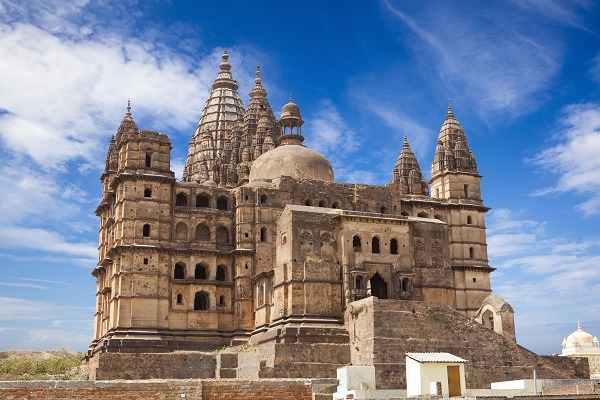
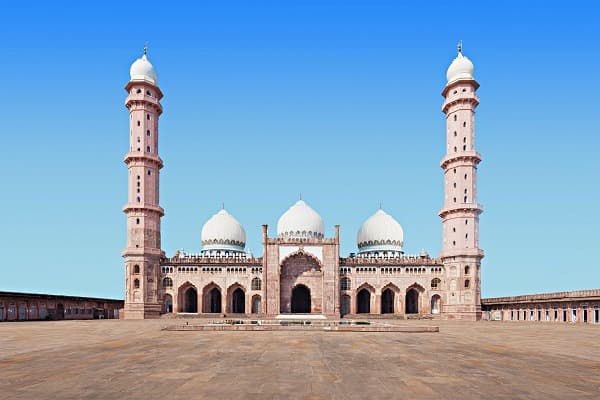
To travel back through India's past, explore Bhopal's historic monuments, including the Laxmi Narayan Temple, representing one of Vishnu's manifestations. The Taj-ul-Masajid is also a must-see. It is one of Asia's largest mosques and madrasas.
If you love art and architecture, visit the Shaukat Mahal. Blending Indian and Islamic styles, this building features a roof adorned with several intricate arches and beautiful artistic motifs. Don't miss the Moti Masjid mosque either, built by Shah Jahan for the royal court.
Extend your Bhopal circuit to the Taj Mahal. Built between 1871 and 1884, the former residence of the Begums ranks among the world's largest palaces. It displays a unique architectural structure that has made it a monument of the state's heritage.
Dating from the 21st century, the Bhoj Temple tells the story of Raja Bhoj and his kingdom. During your visit, take time to appreciate the views over the river and the dam, over a thousand years old.
To understand human evolution and relive Paleolithic times, organize an excursion to Bhimbetka, south of Bhopal. This archaeological site holds paintings five centuries old depicting the history of cave dwellers. You can then board a boat to admire the landscapes surrounding Upper Lake.
Climate in Bhopal
Bhopal enjoys a tropical climate. Rainfall is most abundant in summer. Thus, the recommended months to visit the city are February, March, October, November and December.
How to get there?
Choose the bus to fully enjoy your journey to Bhopal. Several lines serve the city from neighboring states. Moreover, services are of high quality. You can also take the train.
What to do?
- Visit Van Vihar National Park
- Discover the Regional Science Center museum
- Explore Bhopal's State Museum
- Admire the Shaukat Mahal, etc.
Attractions in Bhopal
See all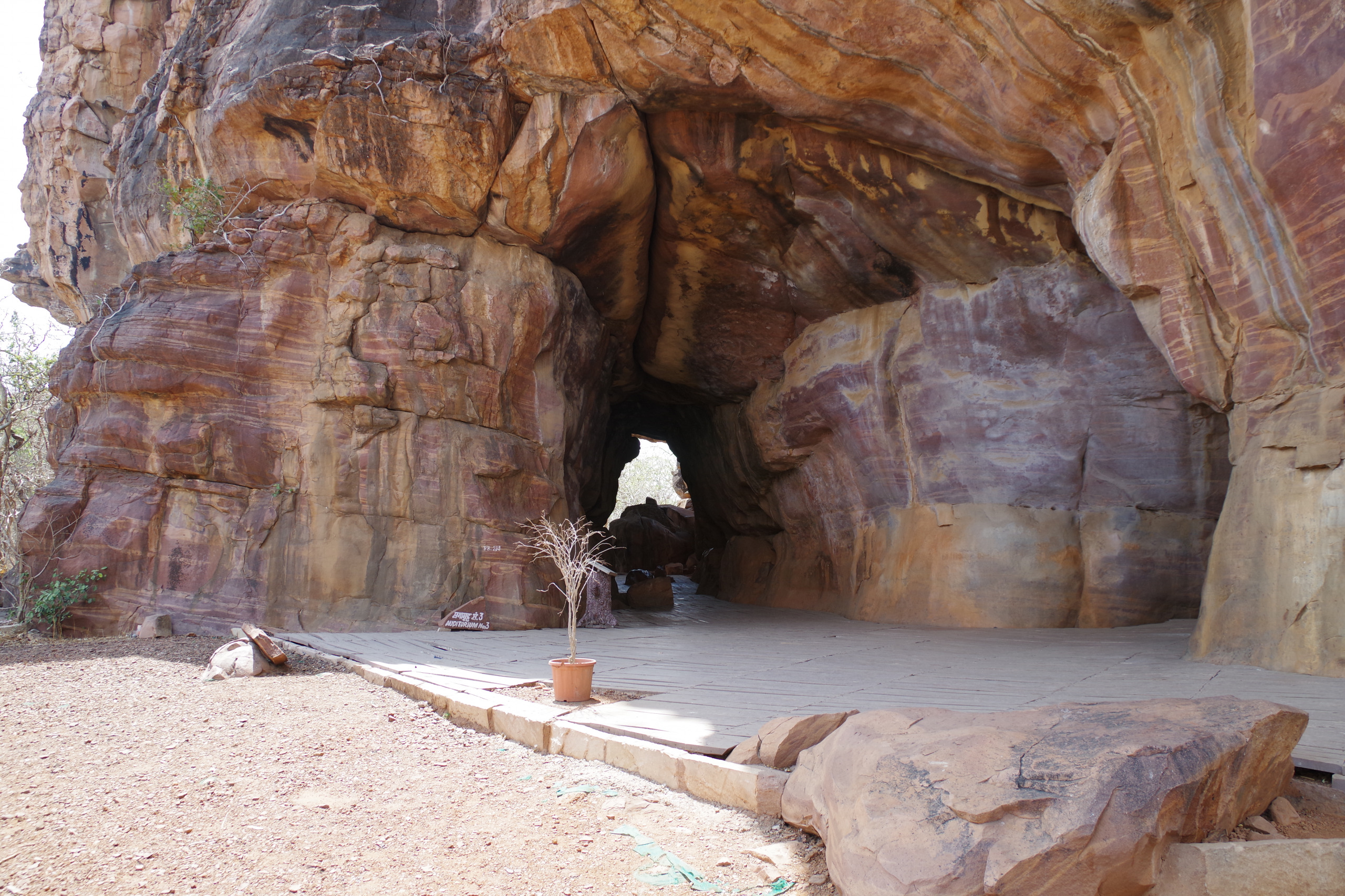
Grottes de Bhimbetka
À 45 km de Bhopal, plus de 750 abris sous roche et des peintures rupestres parmi les plus anciennes d'Inde, classés UNESCO depuis 2003.
Taj-ul-Masajid
La Taj-ul-Masajid, « couronne des mosquées », domine le vieux Bhopal de ses minarets roses. Commencée au XIXe siècle par la bégum Shah Jahan, achevée en 1985, elle reste un lieu de culte actif et un chef-d'œuvre de l'architecture islamique en Inde centrale.
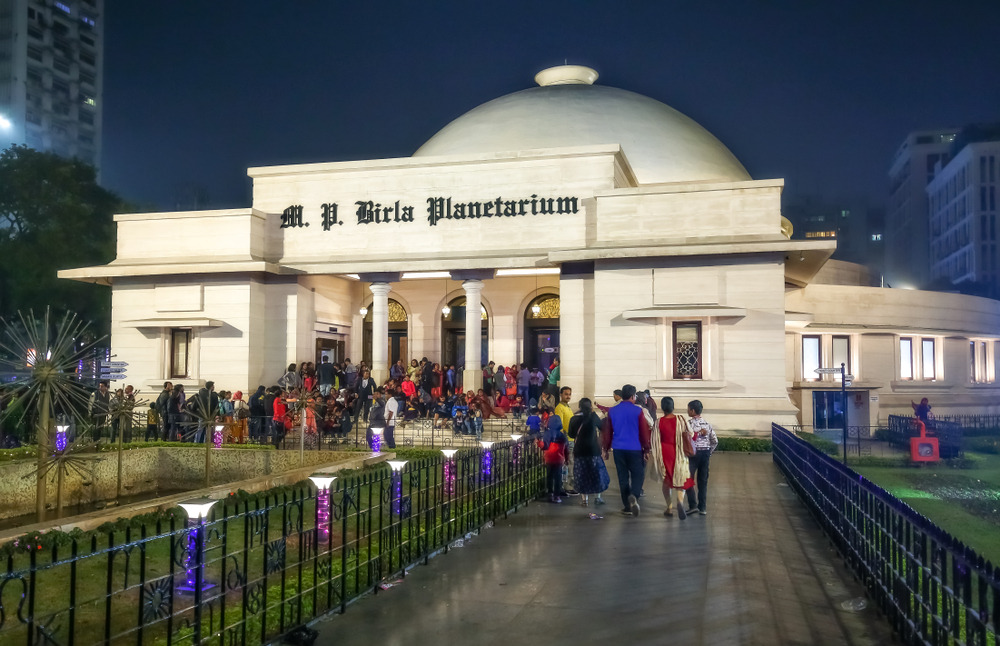
Musée industriel et technologique de Birla
Ouvert en 1959 à Kolkata, le BITM est le premier musée scientifique d'Inde : galeries interactives, mine de charbon reconstituée et spectacles quotidiens.
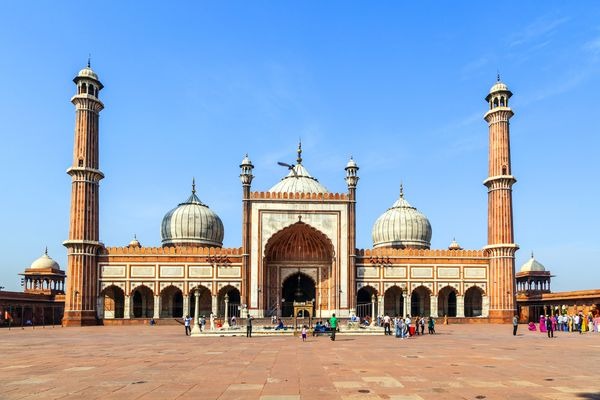
Jama Masjid de Bhopal
Édifiée entre 1832 et 1857 par Qudsia Begum dans le quartier de Loha Bazar, la Jama Masjid de Bhopal illustre l'héritage architectural des Begums.
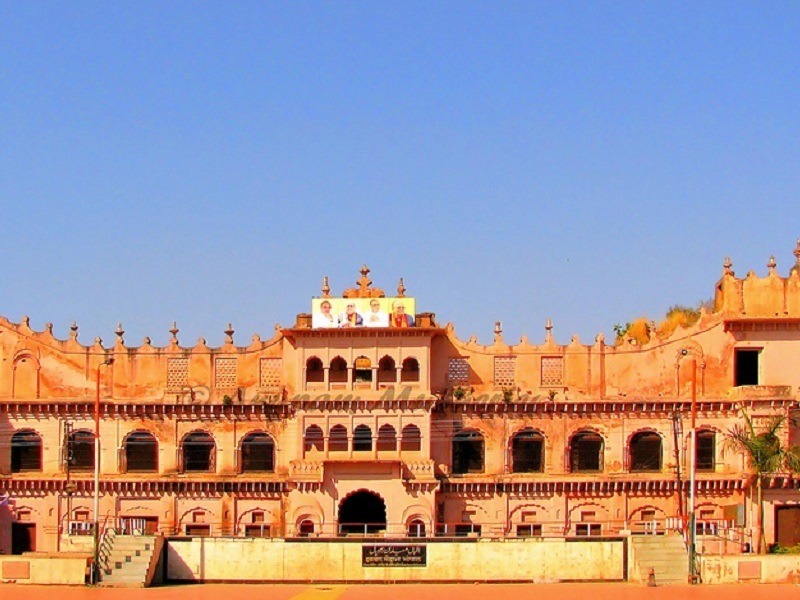
Shaukat Mahal
Édifice de 1830 dans le quartier de Chowk à Bhopal, le Shaukat Mahal mêle architecture européenne et indienne. Façade en albâtre blanc et arcs triangulaires sculptés.
Taj-ul-Masajid
La Taj-ul-Masajid, « couronne des mosquées », domine Bhopal de ses minarets roses. Construite sous les Nawabs au XIXe siècle, elle est l'une des plus grandes mosquées d'Inde et un symbole architectural de la ville.
Accommodation in Bhopal
Want to discover this destination?
Our local advisors design your tailor-made trip.