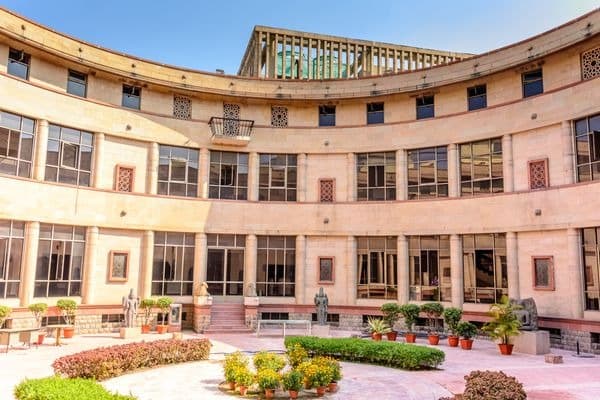
National Museum of India
National Museum of India
The National Museum of New Delhi houses over 200,000 objects spanning five millennia of Indian history: Harappan figurines, Chola bronzes, Mughal miniatures and Silk Road art.
The National Museum of India, located on Janpath in New Delhi, holds one of the subcontinent's most extensive archaeological and artistic collections. From Indus Valley civilisation figurines to Mughal miniatures, South Indian bronzes and ancient textiles, it encompasses five thousand years of Indian history under one roof.
Practical Information at a Glance
- Admission: paid entry (reduced rates for Indian nationals, separate rate for foreign visitors); free on Fridays for Indian citizens
- Weekly closure: Mondays and national holidays
- Suggested duration: 2 to 3 hours for a focused tour; half a day for a comprehensive visit
- Access: Udyog Bhawan metro station (Yellow Line) within walking distance; taxis and auto-rickshaws available
- Audio guides and guided tours: available on-site in multiple languages
- Photography: permitted in most galleries without flash; check restrictions room by room
What You'll See
The museum organises its collections across several thematic galleries. The Harappan section displays seals, pottery and statuettes from Mohenjo-daro and Harappa. Sculpture galleries showcase masterworks in Mathura sandstone and Gandharan schist. Mughal and Rajasthani miniatures occupy entire rooms, as do the Chola bronzes from Tamil Nadu.
- Indus Valley Civilisation (3000–1500 BCE): figurines, jewellery, engraved seals
- Buddhist and Hindu sculpture: 1st to 12th centuries
- Miniature paintings: Mughal, Rajasthani and Pahari schools
- South Indian bronzes: Nataraja and other forms of Shiva
- Textiles, arms, musical instruments and decorative arts
- Central Asian art gallery: frescoes and manuscripts from the Silk Road
History and Context
The museum opened its doors in 1949, two years after independence, in a building designed by architect Herbert Baker to house colonial government offices. It was formally inaugurated in 1960 in its present form. Its creation reflected the Indian state's determination to centralise and preserve heritage scattered across the country.
The collection grew through transfers from the British Museum, national archaeological excavations and private donations. Today, the museum preserves over 200,000 objects covering art, archaeology, armoury, decorative arts and anthropology.
Highlights of Your Visit
The Harappan Gallery
One of the world's most comprehensive collections on the Indus Valley Civilisation. The Dancing Girl of Mohenjo-daro, a bronze figurine 4,500 years old, is its emblematic piece. Engraved seals depicting animals and still-undeciphered symbols fascinate scholars and visitors alike.
Chola Bronzes
Tenth to twelfth-century bronze Nataraja figures exemplify the technical mastery and symbolic depth of Tamil Nadu's art. Shiva dancing within a circle of flames remains one of classical Indian art's most recognisable representations.
Mughal Miniatures
Court paintings from the sixteenth and seventeenth centuries depict hunting scenes, imperial portraits and illustrations from Persian manuscripts. The delicate brushwork and richness of natural pigments are remarkable even to the untrained eye.
Central Asian Art Gallery
Less well-known, this section presents frescoes, manuscripts and textiles brought back from Sir Aurel Stein's early twentieth-century Central Asian expeditions. A rare window onto cultural exchange along the Silk Road.
Photography Tips
Natural light is limited in interior galleries; a camera with strong low-light performance is useful. Flash is prohibited to protect the artworks. Major pieces, such as the Dancing Girl of Mohenjo-daro, sit behind glass: anticipate reflections. Check at the entrance of each gallery whether photography is permitted.
Location and Access
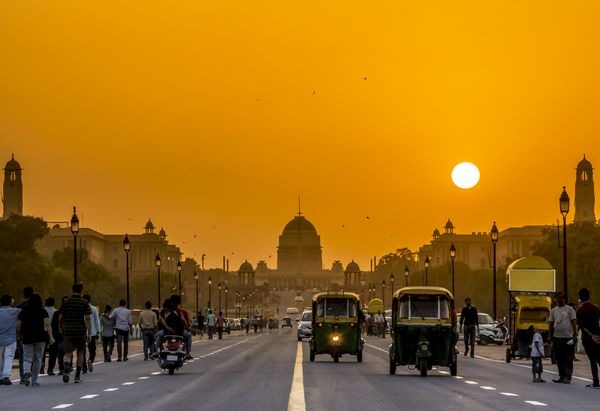
The museum sits on Janpath, immediately near Rajpath (now Kartavya Path) and the India Gate. Udyog Bhawan metro station (Yellow Line) is the nearest. Lutyens Delhi's neighbourhood concentrates several cultural institutions accessible on foot or by rickshaw.
Wheelchair access is possible via the main entrance; ramps are available, though some older galleries remain difficult to navigate.
Nearby Attractions
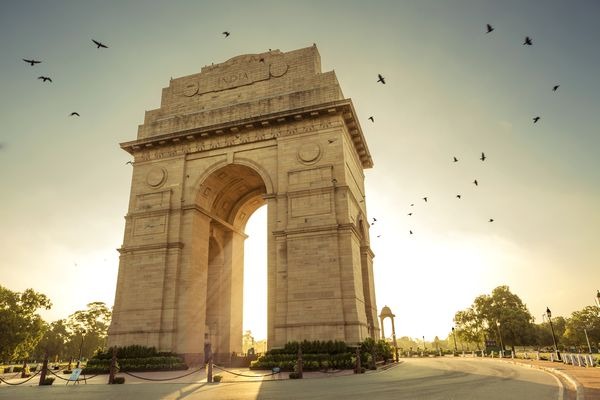
- India Gate — First World War memorial monument, a short walk to the east.
- Rashtrapati Bhavan — presidential palace designed by Edwin Lutyens, visible from Kartavya Path.
- Jantar Mantar — 18th-century astronomical observatory, a short rickshaw ride away.
- Connaught Place — colonial shopping and architectural hub, a convenient starting point to reach the museum.
Frequently asked questions
The museum is open year-round, sheltered from heat or monsoon. October to March, with pleasant Delhi weather, allows you to combine the museum visit with other outdoor sites.
Advance booking is generally not required for individual visitors. Tickets are purchased at the counter on-site. School groups or organised parties may require prior coordination.
No strict dress code is imposed. Appropriate attire is recommended, as in any public cultural institution.
Photography without flash is permitted in most galleries. Certain rooms or specific pieces may have restrictions; signs indicate this at each gallery's entrance.
Two to three hours suffice for a focused tour of the main collections (Harappa, bronzes, miniatures). Allow a half day if you wish to explore all galleries.
Yes. India Gate and Jantar Mantar are accessible on foot or by rickshaw from the museum. A well-organised day allows you to visit all three without difficulty.
Nearby
Interested in this visit?
We can include it in your personalised itinerary.