Karni Mata Temple
Karni Mata Temple
Located 30 km from Bikaner, Karni Mata Temple, also known as the 'rat temple', houses 20,000 revered rodents and a sanctuary dedicated to the Rajasthani goddess.
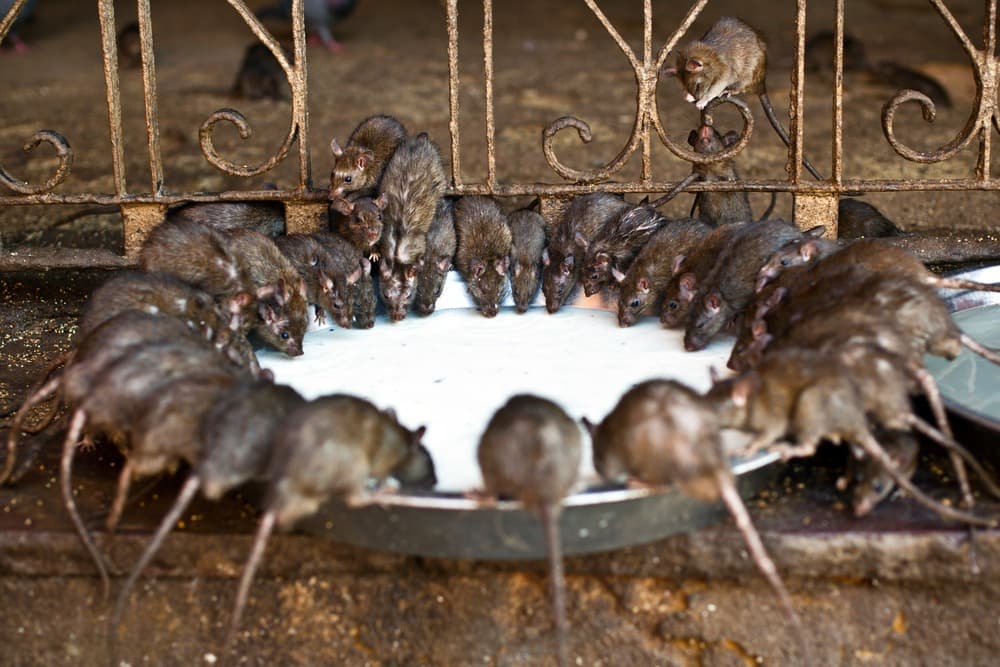
About thirty kilometers from Bikaner, in the village of Deshnoke, Karni Mata Temple is known by another, more evocative name: the 'rat temple'. The sanctuary is home to approximately 20,000 rats, called kabas, considered to be reincarnated souls and venerated by devotees. An active pilgrimage site in Rajasthan, it combines richly decorated architecture, Hindu legends, and daily rituals dedicated to Karni Mata, a Rajasthani sage associated with the goddess Durga.
Why visit Karni Mata Temple
Few sites in India showcase such a singular relationship between humans and animals. Here, rats roam freely between the bare feet of visitors, eat from large dishes of milk and grains, and are an integral part of the worship. Beyond curiosity, the temple holds interest for three reasons:
- Its mythological significance, enriched by several tales surrounding Karni Mata and her power of reincarnation.
- Its architecture marked by a sculptured marble gateway and intricately worked silver doors.
- Its pilgrimage atmosphere, particularly during the two annual Navratras, which draw thousands of devotees.
The site is best visited as part of a stay in Bikaner, of which it constitutes one of the most memorable excursions.
History and legends
The origin of the worship dates back several centuries, but the current structure dates from the late 19th or early 20th century, during the reign of Maharaja Ganga Singh of Bikaner. The temple underwent major renovation in 1999, funded by Kundanlal Verma, a jeweler from Hyderabad.
Two accounts explain the presence of the rats. The first tells that Lakshman, Karni Mata's brother-in-law, drowned in a pond. Karni Mata implored Yama, the god of death, to bring him back to life. Yama initially refused, but eventually agreed on the condition that Lakshman and the male descendants of his line be reborn as rats.
A variant recounts a troop of around 20,000 deserter soldiers who took refuge in Deshnoke. Rather than let them be executed, Karni Mata is said to have transformed them into rats and placed them under the temple's protection, where their souls continue to serve the goddess.
What you'll see on site
The architecture
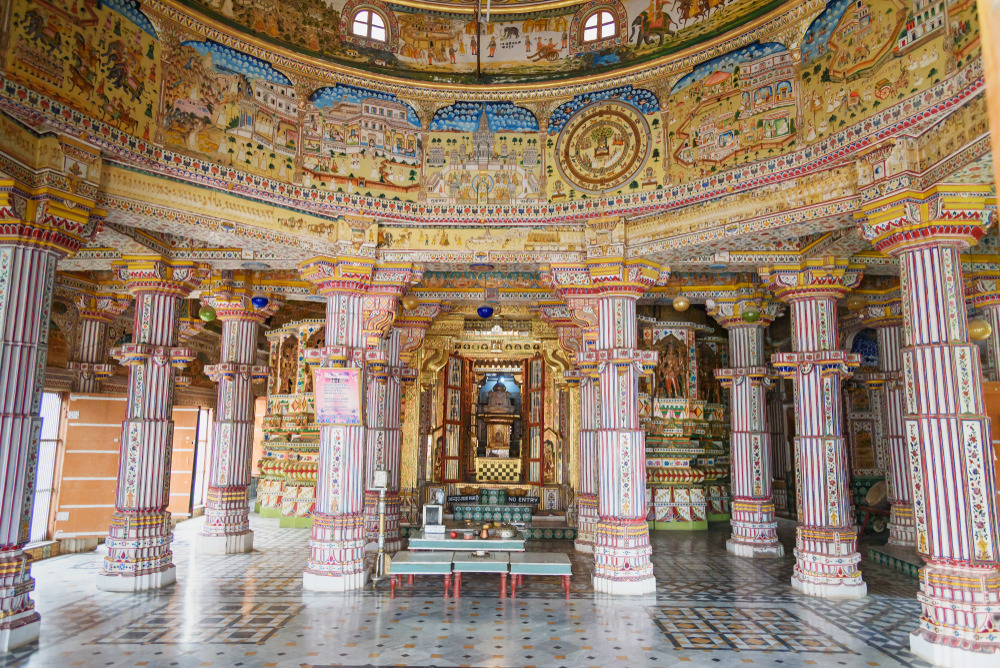
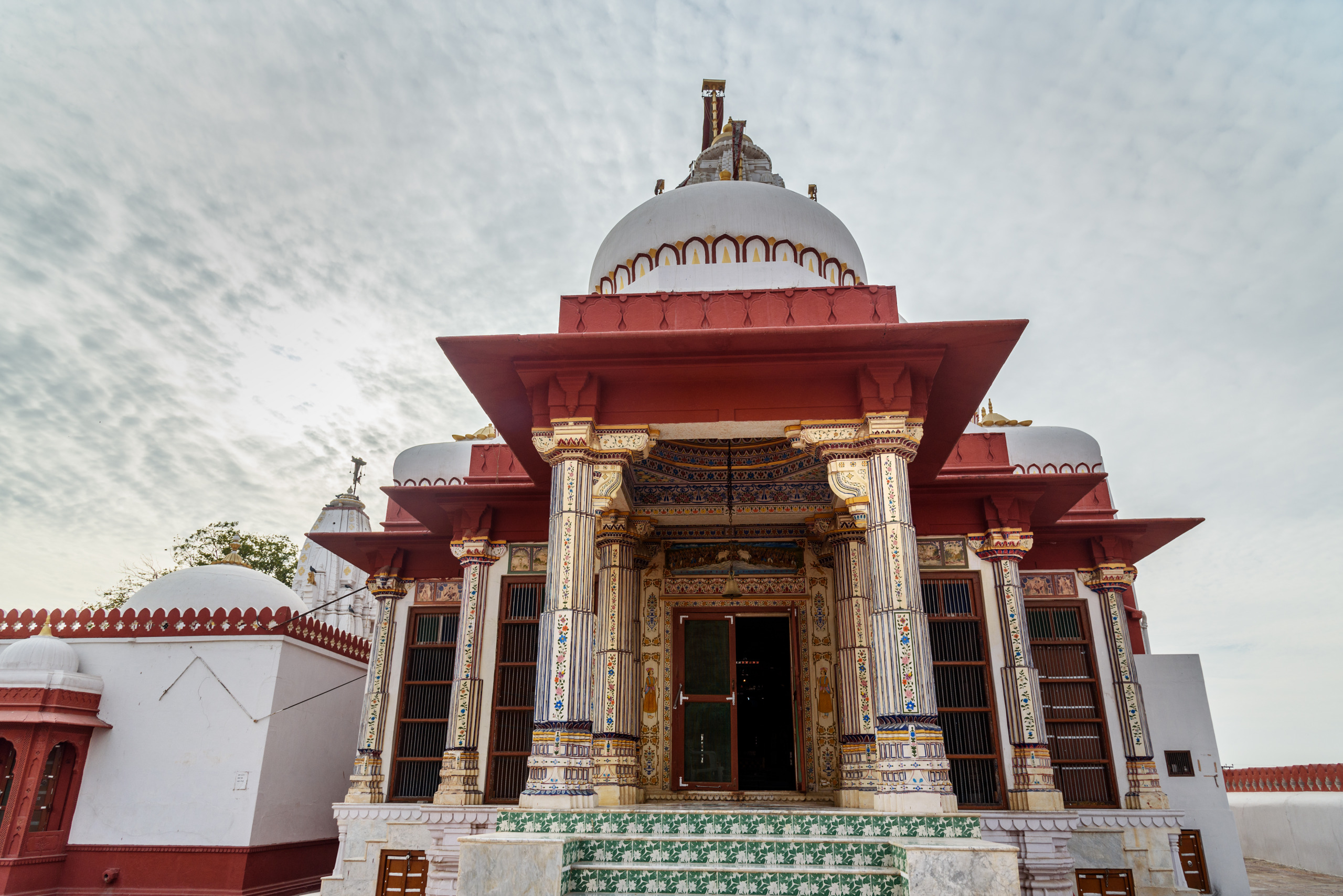
Entry is through a richly sculpted marble gateway. The main silver doors, donated by Maharaja Gaj Singh, are decorated with panels illustrating episodes related to Karni Mata. Additional silver doors, added during the 1999 renovation, complement this metalwork. The style draws more from Rajput architectural vocabulary than pure Mughal, with an attention to detail typical of projects commissioned by Rajasthan's maharajas.
The main sanctuary
At the heart of the temple stands a statue of Karni Mata, approximately 75 cm tall, holding a Trishul (trident). The deity wears a crown and is adorned with a garland. Devotees pray here and leave offerings.
The rats and their rituals
The kabas are fed by members of the Depavats family, hereditary guardians of the temple, as well as by devotees. Several rules structure the visit:
- Visitors enter barefoot; a rat crossing your foot is considered a favorable sign.
- Customary offerings include milk, grains, sweets, and coconut shells.
- Spotting a rare white rat among the thousands of brown ones is interpreted as a manifestation of Karni Mata and her family, thus a sign of good fortune.
- If a rat accidentally dies under a visitor's foot, tradition dictates it be replaced with a gold or silver statue.
Rituals and major celebrations
The temple follows a daily cycle of prayers and offerings. Charan priests perform the Mangla-Ki-Aarti and present the bhog, ritual food offered to the goddess before being shared.
Two festivals concentrate the devotion:
- Chaitra Shukla Navratras, in March-April.
- Ashwin Navratras, in September-October.
During these periods, the temple becomes a site of mass pilgrimage. Crowds are substantial, waits longer, but the ritual atmosphere particularly intense.
Practical information
The temple is open daily, from early morning until evening. Entry is free, though fees may be charged for photography and video, particularly for foreign visitors. It's best to inquire on the day of your visit.
A few useful recommendations:
- Bring thick or sturdy socks: you walk barefoot on a floor where rats leave traces of milk and food.
- Wear modest clothing covering shoulders and legs, as in any active Hindu temple.
- Plan about 1 hour at the site for your visit, longer during festivals.
- Those with rodent phobias or uncomfortable with an environment densely populated by animals may prefer to skip this site.
When to go
Rajasthan's climate guides the visiting window: summer (April to June) is very hot and uncomfortable, monsoon (July-August) remains manageable but humid. The most pleasant period extends from October to March, with more moderate temperatures. This season partially coincides with the Ashwin Navratras (September-October), an excellent time to observe rituals, provided you accept the crowds.
How to get there
- By air: the nearest airport is Jodhpur, approximately 251 km away, connected to Delhi, Mumbai, Jaipur, Chennai, and Ahmedabad.
- By train: Bikaner's two stations, Lalgarh Junction (LGH) and Bikaner Junction (BKN), are served from major cities in the north. From Bikaner, allow about thirty minutes' drive to Deshnoke.
- By car or taxi: the most practical option from Bikaner. A driver can wait on-site during your visit.
- By bus: regular connections exist from Bikaner and, less frequently, from Jodhpur.
What to see in the region
The temple fits naturally into a circuit around Bikaner and Rajasthan, but other sites in India are worth combining according to your itinerary:
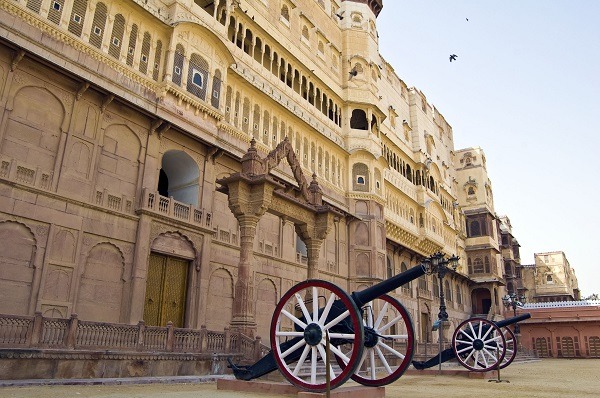
- Bikaner and its Junagarh Fort, 30 km to the north.
- Amar Sagar Lake, near Jaisalmer, to continue exploring desert Rajasthan.
- Alchi Monastery, in Ladakh, for those continuing north to the Himalayas.
Frequently asked questions
No major epidemic linked to the temple's rats has been documented. Visitors do walk barefoot in an environment where rodents roam freely, however. It is recommended to wear thick socks, wash your hands and feet thoroughly after your visit, and avoid touching the rats directly.
Photography is tolerated, but fees may apply for cameras and video equipment, particularly for foreign visitors. Inquire on-site and remain discreet during rituals.
No strict dress code, but clothing covering shoulders and legs is expected, as in any Hindu temple. Shoes are left at the entrance.
According to tradition, the temple's rats are the reincarnations of members of Karni Mata's lineage, or souls placed under her protection. Feeding and respecting them is an act of devotion to the goddess.
About 1 hour on-site is enough to tour the sanctuary and observe the rats. Including the round trip from Bikaner, allow half a day.
Include the temple in your trip
To integrate this singular site into a broader circuit across Rajasthan or Northern India, consult our itineraries on travel to India. Our advisors can arrange a Bikaner-Deshnoke stop with Jaisalmer, Jodhpur, or Jaipur according to your pace and interests.
Nearby
Interested in this visit?
We can include it in your personalised itinerary.