St. Francis Church, Dalhousie
St. Francis Church is one of Dalhousie's historic landmarks, a former British hill station in Himachal Pradesh. Colonial architecture, a 19th-century cemetery, and a setting of coniferous forest make it a tranquil and enriching stop.
Perched in the colonial town of Dalhousie in Himachal Pradesh, St. Francis Church is one of the oldest religious buildings in this former British hill station. Built during the Raj era, it bears witness to the ecclesiastical architecture that the British established in the Himalayan foothills. Its serene setting, surrounded by pine and deodar trees, makes it both a place of quiet reflection and a historical landmark.
What to see
The church displays a colonial Gothic style typical of 19th-century British religious construction in India. The plain façade, stained-glass windows, and intricately carved wooden interior reflect the care lavished on these high-altitude places of worship. The adjoining cemetery holds tombs from the colonial era, some bearing inscriptions that tell the story of British families who settled in Dalhousie.
History and context
Dalhousie was founded in 1854 by the British as a rest station for Raj troops and officials. St. Francis Church was among the town's first permanent buildings. It is named after Saint Francis of Assisi and has served the local Catholic community for more than a century. Its existence illustrates British policy of reproducing European institutions in the Indian hills.
Highlights of your visit
Colonial architecture
The walls of local stone, the bell tower, and the interior arches are characteristic of the style British architects adapted to the materials available in the mountains. The whole remains well-preserved.
The colonial cemetery
The 19th and early 20th-century gravestones offer a silent reading of Dalhousie's history. Names, dates, and epitaphs give a human face to the colonial period.
The natural setting
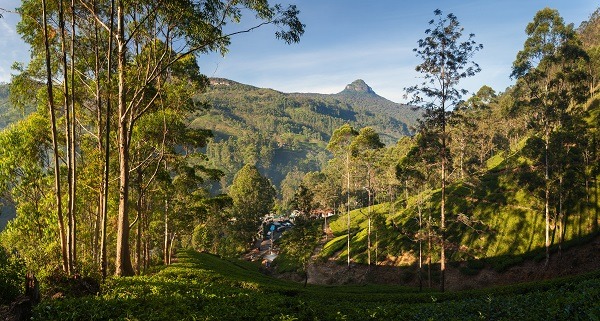
The church is surrounded by tall Himalayan conifers. Light filtered through the trees, especially in the morning, creates a special atmosphere that contrasts with the bustle of Dalhousie's bazaar.
Etiquette and visiting rules
- Proper dress required: shoulders and knees covered inside the church.
- Silence: the church is an active place of worship; respect any services taking place.
- Cemetery: move about with discretion, without stepping on graves.
Photography tips
Morning light, before Himalayan mist rises, is ideal for photographing the façade. Stained-glass windows reveal themselves best at midday when light streams through the building. Ask permission before photographing inside during a service.
Location and access
The church is located in central Dalhousie, accessible on foot from Gandhi Chowk, the town's main landmark. Dalhousie is connected by road to Pathankot (roughly 50 miles away), the nearest railway station. Taxis and local buses serve the town from Pathankot. Walking through town can be steep; those with reduced mobility should arrange assistance.
Nearby attractions
- Subhash Baoli — a shaded natural spring where Subhas Chandra Bose stayed, a few minutes' walk away.
- Dainkund Peak — the region's highest point, with panoramic views of the Himalayan foothills.
- Khajjiar — a verdant plateau nicknamed the "Switzerland of India," about twelve miles away.
- Chamera Lake — a reservoir lake surrounded by forests, popular for boat rides.
Frequently asked questions
March to June and September to November offer clear skies and pleasant temperatures. Winter (December to February) can bring snow, making the town picturesque but roads sometimes challenging.
Entry to the church is generally free. Check with the local parish if in doubt, especially during religious holidays.
Yes. The church is easily explored in half an hour; combine it with a walk to Subhash Baoli and Gandhi Chowk for a full morning in the town centre.
Photography is generally tolerated outside of services. Always ask permission on site before bringing out your camera inside.
The most common route goes through Pathankot, accessible by train from Delhi. From Pathankot, taxis and local buses climb to Dalhousie in roughly two hours.
Interested in this visit?
We can include it in your personalised itinerary.
