Khajjiar
A grassy plateau at 2,000 metres elevation, Khajjiar combines a tranquil lake, deodar forests and a 14th-century Himachali temple, 30 km from Dalhousie.
Khajjiar is a high-altitude plateau situated roughly thirty kilometres from Dalhousie in Himachal Pradesh. At approximately 2,000 metres, it unfolds a vast circular meadow bordered by deodar forests and crossed by a small lake. This compact landscape — grass, water, conifers, sky — earned it the nickname "mini-Switzerland of India", officially bestowed by a Swiss consul in 1992. The visit naturally combines with Dalhousie and Chamba.
Practical information at a glance
- Access: road from Dalhousie (approximately 30 km); taxis or local buses available.
- Recommended duration: 2 to 3 hours on site are sufficient for a lake circuit and meadow exploration.
- Dress code: no particular clothing restrictions; bring warm layers for the altitude.
- Accessibility for mobility-impaired visitors: the lake perimeter is partially accessible on flat terrain, though the grassy ground remains uneven.
What you'll see
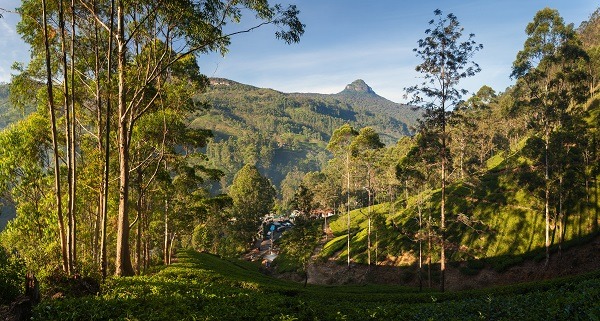
The plateau is organised around a shallow lake, often covered with a layer of floating vegetation that gives it a greenish hue. The circular meadow surrounding it is used for horse riding, offered by local providers. In the background, the deodars — Himalayan cedars — form a dense screen. On clear days, the snow-capped peaks of Dhauladhar are visible in the distance.
History and context
The name "Khajjiar" is linked to the Khajji Nag temple, dedicated to a local serpent deity, which stands on the plateau's edge. This carved wooden temple, in Himachali style, dates back to the 14th century. The region historically fell under the kingdom of Chamba, whose cultural and architectural influence remains evident in the surrounding sanctuaries.
Highlights of your visit
The Khajji Nag temple
Built in wood and stone according to Himachali tradition, the temple features carefully carved wooden sculptures. It remains active; devotees visit regularly, especially during local festivals. The interior is modest; the exterior architecture, with its pagoda-style roof, merits attention.
The meadow and lake
The grassy plateau invites a leisurely walk. The central lake, modest though it is, reflects the trees and creates an immediate photographic setting. Horses are available for rent to cross the meadow — an activity favoured by Indian families on weekends.
The deodar forests
Trails that venture beneath the deodars offer a quiet alternative to the often-busy central meadow. The atmosphere here is cool and hushed, even during peak season.
Etiquette and visiting rules
- Remove your shoes before entering Khajji Nag temple.
- Wear clothing covering your shoulders and knees inside the sanctuary.
- Avoid photographing rituals without the consent of present devotees.
Photography tips
Morning light is most favourable: the lake reflects the deodars before the meadow fills with visitors. In late afternoon, raking light gilds the conifer tops. Avoid midday in summer, when crowds and harsh light detract from compositions. No known photography restrictions apply outdoors.
Location and access
Khajjiar is located in Chamba district, approximately 30 km from Dalhousie via a winding mountain road. The town of Chamba is accessible in the opposite direction. Taxis from Dalhousie are the most practical option; local buses exist but are less frequent. The plateau itself is flat and accessible on foot from the main car park.
In the surrounding area
- Dalhousie — high-altitude colonial town with panoramic walks and well-preserved British architecture.
- Chamba — former royal capital renowned for its stone temples and Himachali museum.
- Kalatop Reserve — protected forest between Dalhousie and Khajjiar, ideal for trekking and wildlife observation.
Frequently asked questions
From March to June, the meadow is green and the weather pleasant. From September to November, the air is clear and views of the peaks often sharp. Winter (December–February) brings snow, which transforms the plateau but can make road access difficult.
Yes, without difficulty. Khajjiar can be visited in half a day; starting early from Dalhousie, you have time to explore the plateau and return in the afternoon, or continue on to Chamba.
Access to the plateau and meadow is free. Certain activities such as horse rides are paid and negotiated directly with providers on site.
Yes. The flat terrain, horses for hire and open space make it a popular stop for families. Plan for warm clothing, even in summer, as altitude keeps temperatures cool.
The exterior of the temple is freely photographable. Inside, ask permission before bringing out your camera, out of respect for devotees at prayer.
Interested in this visit?
We can include it in your personalised itinerary.
