Chamera Dam
Chamera Dam
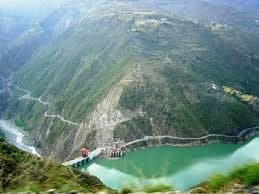
Chamera Dam spans the Ravi River in Himachal Pradesh, creating a vast reservoir with turquoise waters framed by mountains. Located 30 km from Dalhousie, it draws visitors for its panoramic views and water activities.
Chamera Dam rises across the Ravi River in Chamba district, Himachal Pradesh, roughly 30 kilometres from Dalhousie. This major hydroelectric project has created an expansive reservoir with turquoise waters, cradled by the foothills of the Himalayas. The site attracts visitors as much for its mountain vistas as for camping and boating on the lake.
Practical Information at a Glance
- Access: Road from Dalhousie via Banikhet, approximately 30–35 km journey.
- Entry: Access to the lakeside is generally free; certain NHPC project zones are restricted.
- Recommended duration: Half-day to full day depending on activities.
- Best time to visit: April to June and September to November — avoid the monsoon (July–August) for road safety.
What You'll See
The reservoir stretches for several kilometres, reflecting forested ridges of pine and deodar. The waters shift in hue with the seasons, from emerald green to deep blue. The hydroelectric plant itself, managed by NHPC (National Hydroelectric Power Corporation), is visible from the shores but not open to the public.
History and Context
The Chamera I project became operational in the 1990s to harness the Ravi's hydraulic potential. A second project, Chamera II, followed downstream. These dams form one of the most significant hydroelectric complexes in Himachal Pradesh and supply a substantial portion of northern India's power grid.
Highlights of Your Visit
The Reservoir Lake
The lake's shores offer sweeping views across the surrounding mountains. Wild camping is practised here, particularly by independent travellers and school groups on excursions from Dalhousie or Chamba.
Boating and Water Activities
Local operators offer boat and kayak outings on the lake. Availability varies by season; check with local providers in Dalhousie or Chamba before making the trip.
Mountain Landscape
The road following the Ravi from Banikhet winds through wooded gorges. The journey itself is part of the appeal, with several natural viewpoints overlooking the valley.
Photography Tips
Morning light is most favourable: the sun illuminates the opposite ridges without backlighting. In late afternoon, reflections on the lake are particularly sharp on calm days. Avoid monsoon days when mist obscures the peaks.
Location and Access
The dam sits in the Ravi Valley, between Dalhousie and the town of Chamba. The main highway (NH-154A) passes nearby. No direct public transport is reliably available; a taxi or private vehicle from Dalhousie remains the most dependable option. The site is not suitable for those with reduced mobility due to rugged terrain.
Nearby Attractions
- Dalhousie — colonial hill station and natural starting point for visiting the dam.
- Khajjiar — grassy plateau nicknamed India's "mini-Switzerland", about 20 km from Dalhousie.
- Chamba — historic town on the Ravi's banks, known for its Shiva temples and museum.
- Dainkund Peak — summit accessible from Dalhousie, with panoramic views over surrounding valleys.
Frequently asked questions
April to June and September to November offer the best conditions. The monsoon (July–August) makes mountain roads hazardous and visibility poor.
No. NHPC facilities are restricted to staff. Only the lakeside and shores are accessible to the public.
A taxi or private vehicle is the most practical option. The distance is approximately 30–35 km via road through Banikhet.
Yes. Khajjiar lies in the same direction from Dalhousie. Chamba is reachable by continuing along the Ravi road beyond the dam.
Local operators offer boating and sometimes kayaking, depending on season. Confirm availability in Dalhousie before you depart.
Interested in this visit?
We can include it in your personalised itinerary.