Deogarh (Uttar Pradesh)
Deogarh (Uttar Pradesh)
At the gateway to Bundelkhand, Deogarh reveals its Jain temples, its Gupta sanctuary, and its thousand-year-old fort dominating the Betwa River.
Nestled on the banks of the Betwa River, south of Lalitpur district in Uttar Pradesh, Deogarh is a village steeped in history and sacred art. Its name, meaning "fort of the gods," immediately evokes its spiritual and heritage dimensions. Deogarh captivates with its Jain temples, its remarkable Dashavatara temple, and its thousand-year-old fort. For travelers passionate about architecture, history, and spirituality, it is an unmissable stop in Bundelkhand, a historic region in central India, shared between Uttar Pradesh and Madhya Pradesh.
History
Located on an ancient route connecting northern India to the Deccan plateau, Deogarh has always been a place of passage and exchange. Its position in the heart of Bundelkhand made it an early center of commerce and culture.
From the 4th century onward, under the Gupta dynasty, the region experienced genuine prosperity. It was during this era that some of its most emblematic monuments were built, including the Dashavatara temple, one of the oldest Hindu sanctuaries preserved in northern India. The sculptures from this period testify to a golden age when the arts, religion, and architecture reached exceptional refinement.
From the 8th century onward, Jainism established itself permanently in Deogarh. Merchant communities financed the construction of dozens of temples, adorned with thousands of sculptures depicting the lives of the Tirthankaras (the spiritual masters of Jainism). This tradition continued until the 17th century, making Deogarh an important spiritual center.
Subsequently, Deogarh came under the influence of various powers: the Pratiharas, Chandelas, and Bundelas. Later, it was occupied by the Marathas, then integrated into the British Empire.
Today
Today, Deogarh is a peaceful village, far from urban bustle. It attracts travelers in search of history and spirituality, while still being inhabited by a small community living in harmony with the Betwa River.
What to See in Deogarh?
The Jain Temples of Deogarh
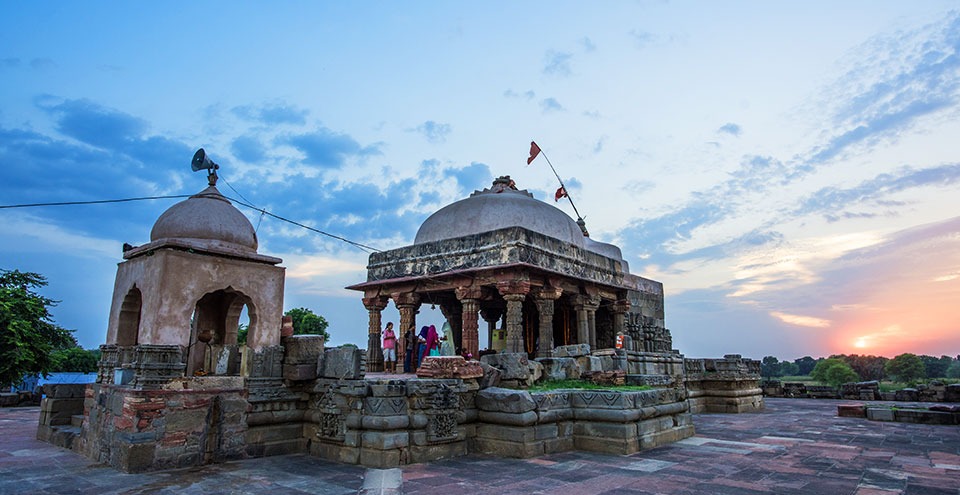
On the fort's hilltop, the Jain complex of Deogarh encompasses nearly forty temples built between the 8th and 17th centuries. Here you will find more than 2,000 sculptures, representing mythological scenes, Tirthankaras, and protective deities.
The Shantinath temple, dated to the 9th century, remains the most emblematic. Its walls and pillars are covered with thousands of miniature figures, forming a veritable visual encyclopedia of Jainism.
Today, the site retains a religious function: religious ceremonies are organized here. The place is managed by the Jain community, which works to preserve the monuments and continue restoration efforts.
The Dashavatara Temple
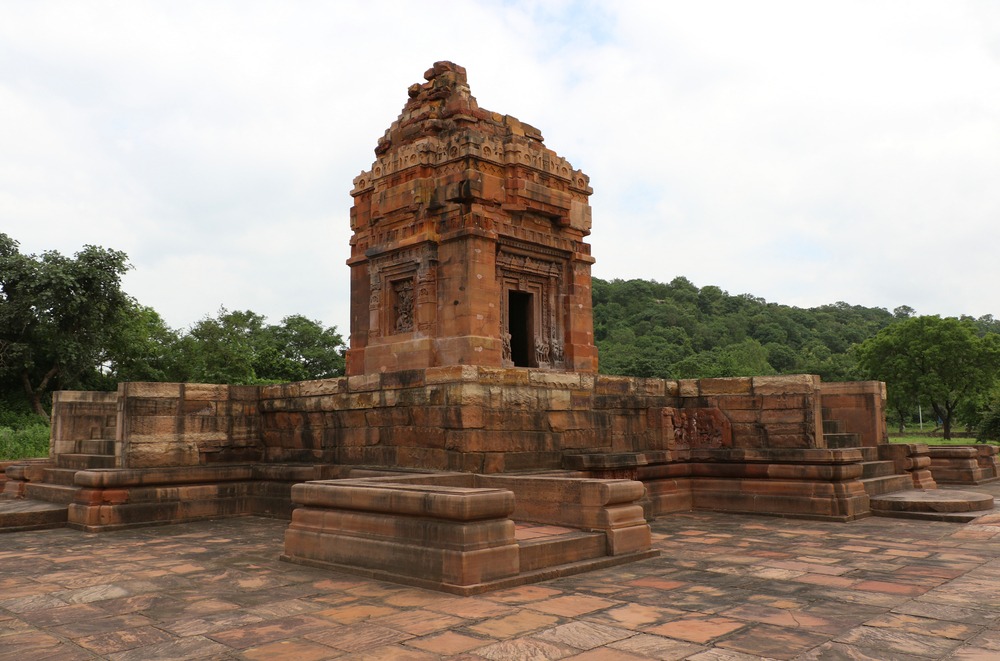
The Dashavatara temple, also called the "Vishnu temple," was built in the 5th century under the Guptas. Considered one of the oldest temples with a shikhara in northern India, it offers an exceptional glimpse into the religious architecture of that era.
Although part of the tower is destroyed, the sanctuary retains a clear layout and a high base adorned with sculptures. You will see remarkable bas-reliefs: Vishnu resting on the cosmic serpent Shesha, the episode of Gajendra Moksha (rescue of an elephant by Vishnu), and the austerities of Nara-Narayana, two sages linked to the god. These scenes allow you to enter the rich symbolism of Hinduism during the Gupta period.
The Fort
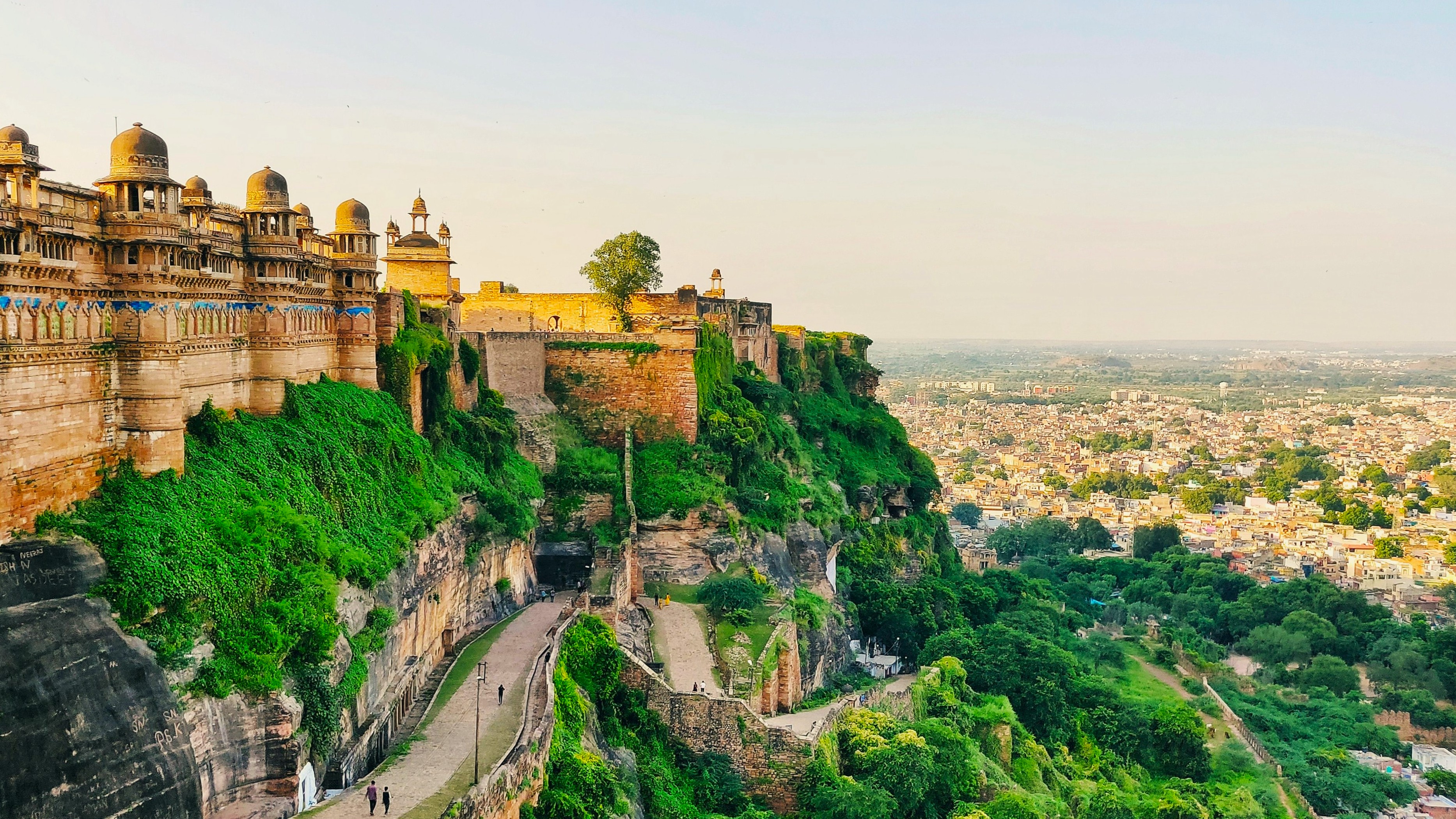
Dominating the Betwa River, the Deogarh Fort experienced several phases of construction, from the Pratiharas in the 9th century through the Bundelas and Scindias. It is accessible through two monumental gates, the Hathi Darvaja ("Elephant Gate") and the Delhi Darvaja.
Inside, you will discover ramparts, towers, and several passages leading to ghats, those stone stairways that descend to the river. The most famous is the one leading to the Siddhi ki Ghufa cave, where a sculpture of the goddess Mahishasuramardini (the warrior form of the goddess Durga) is still visible.
The site also preserves the remains of Hindu temples, including one dedicated to the god Varaha (an incarnation of Vishnu in the form of a boar), dated to the 7th century. Though in ruins, it recalls the spiritual importance of Deogarh throughout the ages.
From Jhansi, located approximately 125 km away, Deogarh is accessible by car or bus, with a journey of 3 to 4 hours. The nearest railway station is at Jhaklon, 12 km away, but it remains minor. For a traveler coming from Delhi, the best option is to take a fast train or flight to Jhansi, then continue by road.
When to Visit Deogarh?
Deogarh can be visited year-round, but conditions vary by season. To make the most of your visit, favor the dry season, between October and March.
Frequently Asked Questions About Deogarh
What Makes Deogarh Special?
Deogarh is a reflection of multiple dynasties. It stands out for its blend of Gupta and Jain temples, its exceptional sculptures, and its fort.
In Which District is Deogarh Located?
Deogarh belongs to Lalitpur district, in southern Uttar Pradesh. This region of Bundelkhand is renowned for its historical sites and rolling landscapes.
Is Deogarh Located in Jhansi?
No, Deogarh is not located in Jhansi. Rather, it is approximately 125 kilometers away from it, or about three hours by road.
Who Built the Vishnu Temple at Deogarh?
The Dashavatara temple was erected in the 5th century by the Gupta dynasty, to whom classical northern Indian architecture owes much.
Attractions in Deogarh (Uttar Pradesh)
Chanderi
Ville historique du Madhya Pradesh, Chanderi réunit fort médiéval, monuments moghols et bundela, et un tissage traditionnel toujours vivant.
Temple de Dashavatara
Le temple de Dashavatara, à Deogarh dans l'Uttar Pradesh, est l'un des plus anciens temples hindous en pierre. Reliefs Gupta, iconographie de Vishnu, guide pratique.
Accommodation in Deogarh (Uttar Pradesh)
Want to discover this destination?
Our local advisors design your tailor-made trip.