Gujarat
Between the salt desert of Kutch, the temples of Palitana and the UNESCO-listed old city of Ahmedabad, Gujarat concentrates a rare diversity of culture and nature on India's west coast.
Gujarat occupies India's west coast, between the Rann of Kutch desert in the north and the Saurashtra forests to the south. A state of contrasts, it brings together temples among the sub-continent's oldest, a vibrant artisan tradition, and a vegetarian cuisine renowned throughout the country. The birthplace of Gandhi and a crossroads of ancient trade routes, Gujarat can be visited in any season depending on what you seek.
Practical information at a glance
- Best time to visit: October to March (manageable heat, roads passable after the monsoon).
- Alcohol: Dry state — the sale and consumption of alcohol are prohibited without special permission for foreigners.
- Dress code: covered clothing recommended in Jain and Hindu temples; certain sites require removing shoes.
- Language: Gujarati and Hindi; English is understood in cities and major tourist sites.
- Currency: Indian rupee (INR); ATMs are present in all major cities.
- Recommended duration: 7 to 14 days to cover the main zones (Ahmedabad, Saurashtra, Kutch).
What to see
Gujarat divides into several distinct zones. Ahmedabad, the state's first city and UNESCO world heritage site since 2017, concentrates Mughal architecture and merchant havelis. Saurashtra is home to Somnath, one of Shiva's twelve jyotirlingas, and Gir forest, the last refuge of the Asiatic lion. In the north, the Rann of Kutch unfolds its white salt expanse, enlivened each winter by the Rann Utsav festival.
History and context
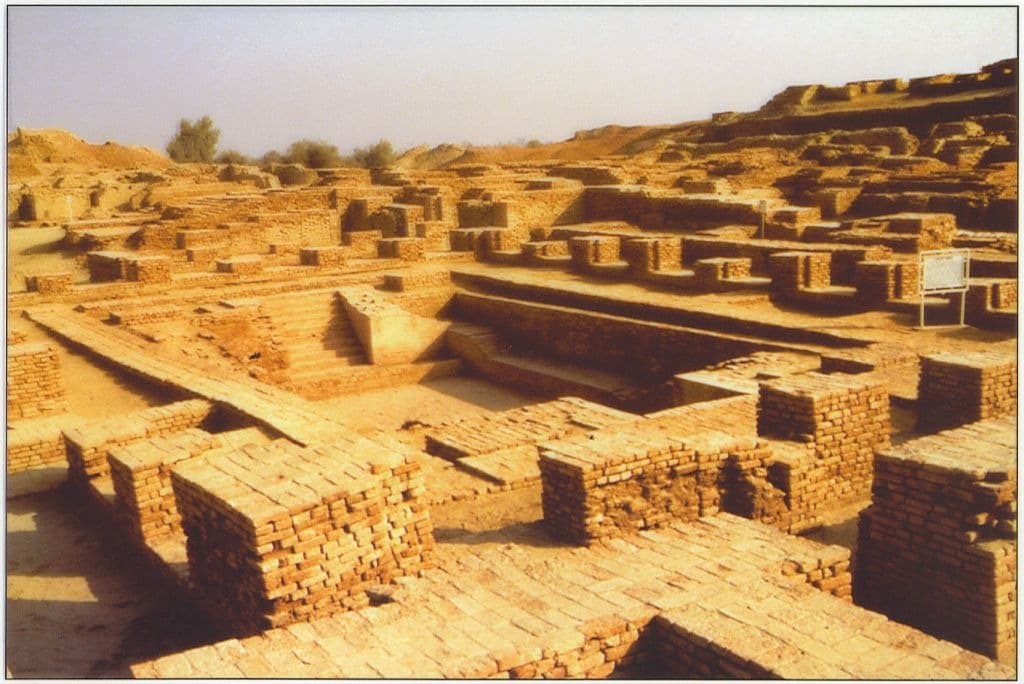
Gujarat was one of the cradles of Indus Valley civilization: Lothal, a Harappan port 4,500 years old, is its most tangible testimony. Under the Solanki dynasties and later the Gujarat Sultanate, the state became a centre of Indo-Islamic architecture. Gujarati merchants wove trading networks stretching to East Africa and Southeast Asia. Mohandas Gandhi was born here in Porbandar in 1869; his Sabarmati ashram in Ahmedabad remains an essential place of remembrance.
Highlights of your visit
Ahmedabad and its havelis
Old Ahmedabad concentrates pol — fortified residential quarters — with intricately carved wooden facades. The Jama Mosque, the Hutheesing Jain temples and the Sabarmati ashram form a coherent circuit over two days.
Rann of Kutch
This salt desert extends over more than 7,000 km². In winter, on full moon nights, the white surface reflects light in a striking manner. Surrounding villages (Hodka, Nirona) perpetuate unique embroidery and lacquer techniques.
Gir forest
The only place in the world where you can observe the Asiatic lion (Panthera leo persica) in the wild. Jeep safaris are organized from Sasan Gir; the reserve is also home to leopards, hyenas and dense birdlife.
Palitana temples
On Shatrunjaya hill, more than 800 Jain temples form one of the world's largest religious complexes. The climb comprises approximately 3,500 steps; the view over the Saurashtra plain from the summit is clear on fine days.
Rani ki Vav, Patan
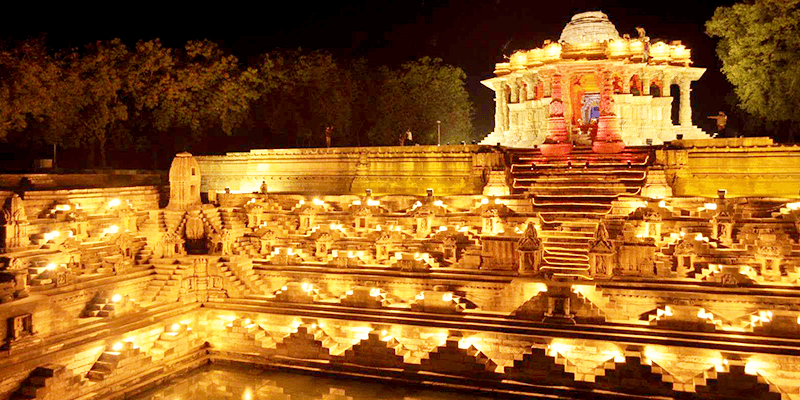
This 11th-century stepwell, UNESCO world heritage site, descends seven levels adorned with more than 500 sculptures. Built under Queen Udayamati, it is considered the most elaborate of its kind in India.
Etiquette and visiting rules
- Remove your shoes before entering any Hindu or Jain temple.
- Leather (belts, bags) is prohibited in certain strict Jain temples.
- Dress in covered fashion (shoulders and knees) in places of worship.
- Photography is forbidden inside many sanctuaries; check signs at the entrance.
- Respect the alcohol prohibition in force throughout the state.
Photography tips
The Rann of Kutch is best photographed at dawn or sunset, when raking light colours the salt orange. At Rani ki Vav, morning light illuminates the relief sculptures without glare. In Ahmedabad's pol, wooden facades are best rendered in late afternoon. Always check shooting restrictions before entering a temple.
Location and access
Gujarat is served by three main international airports: Ahmedabad (Sardar Vallabhbhai Patel), Surat and Vadodara. The rail network connects Ahmedabad to Mumbai, Delhi and Jaipur. Within the state, state buses (GSRTC) cover most destinations; car rental with driver remains the most flexible solution for rural areas such as Kutch or Saurashtra.
Nearby areas
- Mumbai — approximately 500 km to the south, accessible by train or plane from Ahmedabad.
- Rajasthan — Gujarat's north-east border opens onto Udaipur and Jodhpur, often combined in a circuit.
- Diu — coastal enclave south of Saurashtra, former Portuguese possession with calm beaches.
Frequently asked questions
From October to March, temperatures are pleasant and roads passable. The Rann Utsav festival runs from November to February, the ideal period for Kutch. Avoid April-June (extreme heat) and July-September (intense monsoon).
Yes. The sale and consumption of alcohol are prohibited for residents. Foreign tourists can obtain a temporary permit from the competent authorities, but alcohol remains difficult to find. Plan accordingly.
Seven days allow you to cover Ahmedabad, Patan and Saurashtra. Allow ten to fourteen days to add Kutch and Gir forest without rushing.
Covered shoulders and knees are required in almost all Hindu and Jain temples. Remove your shoes at the entrance. In certain Jain temples, leather items are also prohibited.
Trains are efficient between major cities. For Kutch or Gir forest, a car with driver is recommended: distances are long and public transport infrequent in rural areas.
Yes, it's a classic circuit. Ahmedabad is a few hours by train from Udaipur. Allow at least three weeks to do justice to both states without rushing.