Mumbai
Mumbai
Mumbai reveals striking contrasts between the Gateway of India, Bollywood, street food, and cosmopolitan neighborhoods. A complete guide to preparing your stay in this sprawling metropolis.
A world-class metropolis, the capital of Indian cinema, an eclectic city with singular architectural richness—these are just some of the accolades bestowed upon Mumbai. At the heart of the city, contrasts are visible from one end of the street to the other. Modernity sits alongside traditions in a city where the gap between social classes grows ever wider.
History
Originally comprising seven islands, Mumbai—also known as Bombay—began as a fishing community. These fishermen maintained commercial exchanges with Egypt and Arabia under the governance of the Maurya Empire. The city experienced vibrant cultural flourishing as successive peoples made it their home. Later, Mumbai was ruled by the Portuguese until 1661 before being handed over to the British East India Company. The city's development then accelerated significantly. In parallel, the population surged. Major structural projects, including the construction of railways, were undertaken between the 18th and 19th centuries, resulting in the definitive unification of the islands. The opening of the Suez Canal reinforced the city's economic prominence, making it the world's leading cotton trading center.
In 1947, Mumbai emerged as the birthplace of India's independence movements, particularly that of Gandhi. This rich and complex past makes the city not only an economic capital but also an eclectic metropolis with unique heritage.
Today
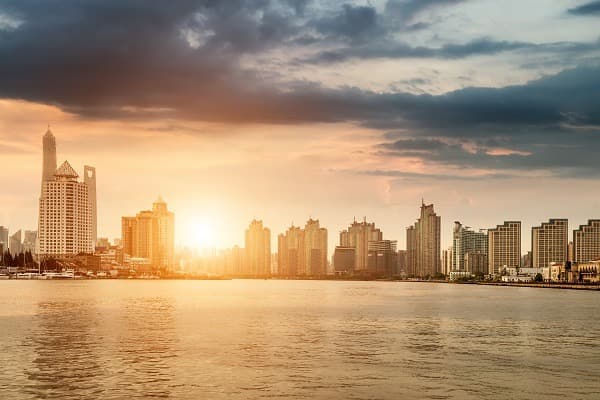
Perched on the shores of the Arabian Sea in the state of Maharashtra, Mumbai or Bombay stands as a megapolis in southern Inde. Across its entire metropolitan area, the city is home to over 20 million inhabitants. It is also the capital of national television and the cradle of Indian cinema, Bollywood. Dozens of studios have established themselves here, producing hundreds of television series and films each year. Regarding its architectural heritage, Mumbai houses the prestigious Taj Mahal Palace Hotel located near the Gateway of India. Among notable monuments, discover also the Prince of Wales Museum, Victoria Terminus, and Sanjay Gandhi National Park.
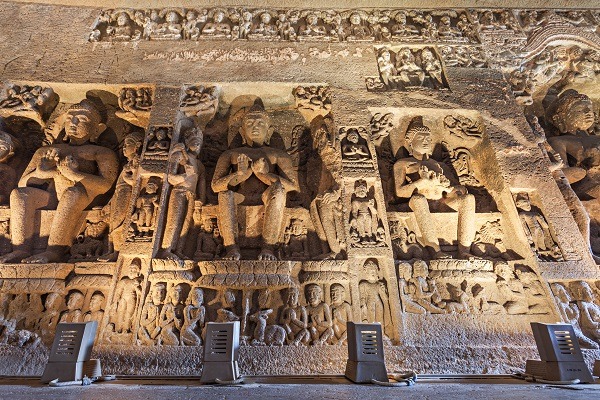
The architectural diversity of Mumbai will undoubtedly delight history enthusiasts. From Art Deco to Gothic, you'll find a variety of styles. Half-timbered mansions, temples with Indo-Saracenic inspiration, and Dutch-roofed houses succeed one another throughout the neighborhoods. Among Bombay's many monuments, two are listed as UNESCO World Heritage Sites: the Elephanta Caves and Chhatrapati Shivaji Terminus railway station. The latter was inspired by London's St. Pancras railway station, adorned with various sculptures and stained glass. Dating back to the year 600, the caves contain various cells and sanctuaries embodying sacred sites of Hindu spirituality. Another attraction worthy of a visit is the Prince of Wales Museum, which offers a different perspective on the cultural wealth of Inde. You'll find an array of ancient objects and miniatures.
Among Mumbai's must-see circuits is the promenade beginning at the Gateway of India toward the Taj Mahal Palace. Built to commemorate the visit of King George V, the Gateway of India takes the form of a triumphal arch made of yellow basalt. The structure adjoins a beautiful park where a night market comes alive every evening. Opposite the monument stands the Taj Mahal Palace, which captivates tourists from around the world with its swimming pool, piano bar, and prestigious restaurant.
Beyond historical monuments, Mumbai offers numerous green spaces where you can relax in peace and quiet. You can rest on the banks of the Ulhas River or escape into nature at Sanjay Gandhi National Park located just a short distance from the city. Hanging gardens await you on the heights of the city, offering an idyllic panorama of the metropolis.
Before departing, pick up souvenirs from the vast selection of products available at Mumbai's shops and boutiques. Choose between typical clothing, custom-tailored costumes, various antiques, and more. Head to Crawford Market to fill your basket with fruits, vegetables, and spices of all kinds.
On the gastronomic side of Mumbai, you'll have the privilege of tasting various dishes with savory and especially spiced sauces. Once there, forget about tartare steaks and other beef-based cuisines and instead indulge in vegetarian dishes.
Climate
Situated on the shores of the Arabian Sea in a tropical zone, Mumbai experiences a two-season climate—humid and dry—of the Aw type according to the Köppen classification. Extending from November to February, the dry winter season is characterized by moderate temperatures, except for a few days when cold northerly winds chill the atmosphere in December.
From June to September, Mumbai experiences a humid season that can cause flooding. A record precipitation level was recorded in July 2005, with 994.2 mm measured.
Mumbai is accessible by air via Chhatrapati Shivaji International Airport. India's second-busiest airport, the facility handles regional and international flights. You can also reach Mumbai by sea. The city has two ports: Jawaharlal Nehru Port Trust and Mumbai Port Trust. Regarding land routes, the city is served by a highway traveled by numerous buses and taxis, as well as very active railway lines. Intercity trains and a metro line are also available in Mumbai.
As everywhere in Inde, Mumbai's streets see rickshaws, taxis, and buses with highly varied routes rubbing shoulders. However, certain parts of the city are best explored on foot due to the hectic traffic.
Attractions in Mumbai
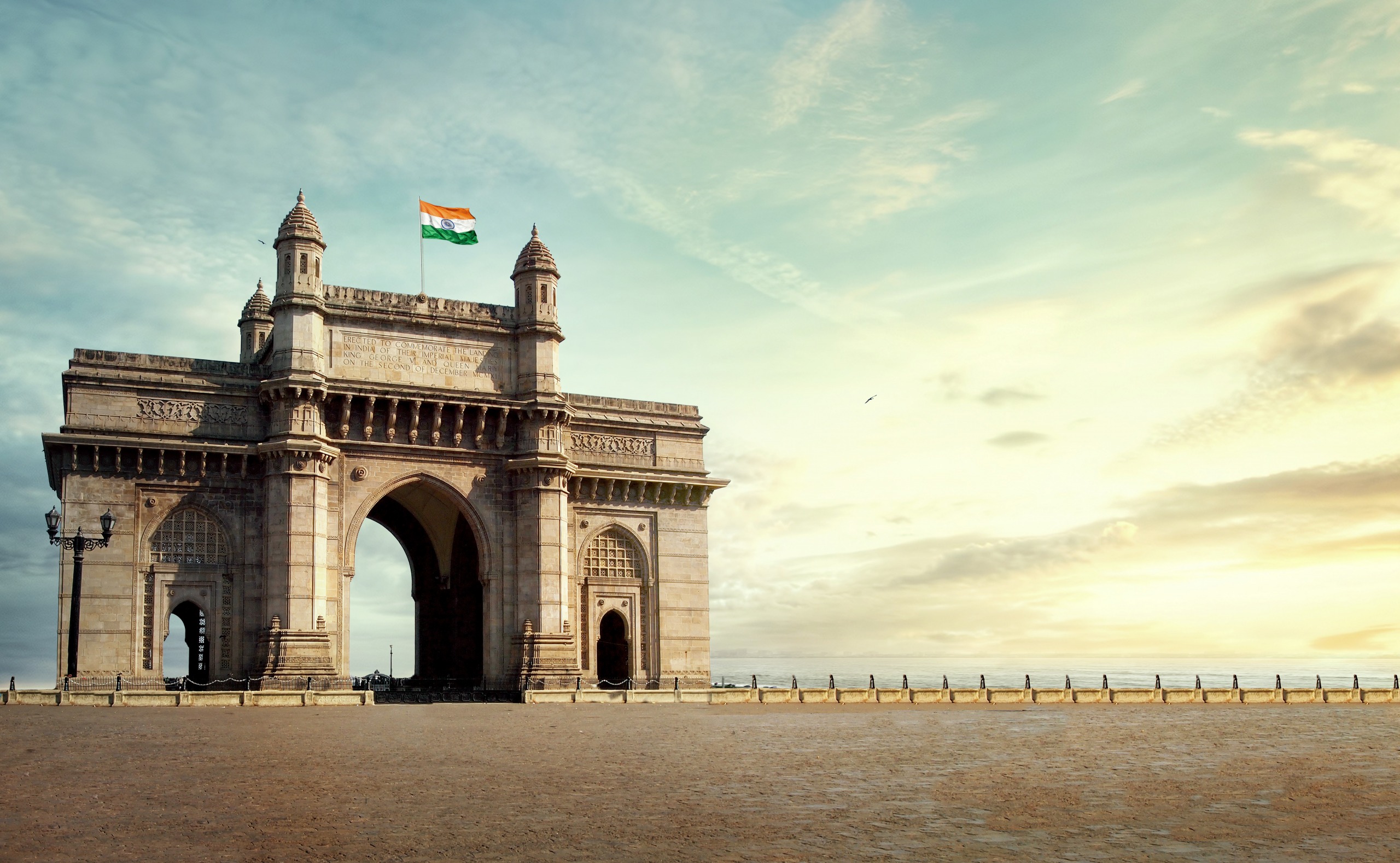
Porte de l'Inde (Mumbai)
Arche de basalte de 26 m face à la mer d'Arabie, la Porte de l'Inde est le monument emblématique de Mumbai et le point d'embarquement vers Elephanta.
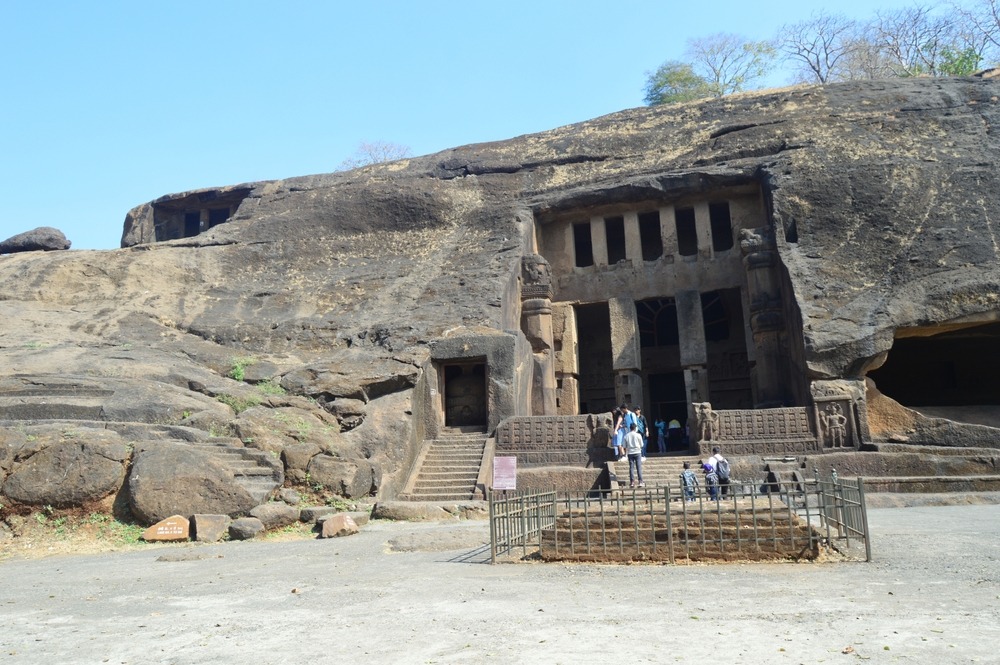
Les grottes de Kanheri
Plus d'une centaine de grottes bouddhiques creusées dans le basalte des collines de Borivali, à 40 km de Mumbai. Un site monastique actif du Iᵉʳ siècle av. J.-C. au IXᵉ siècle.
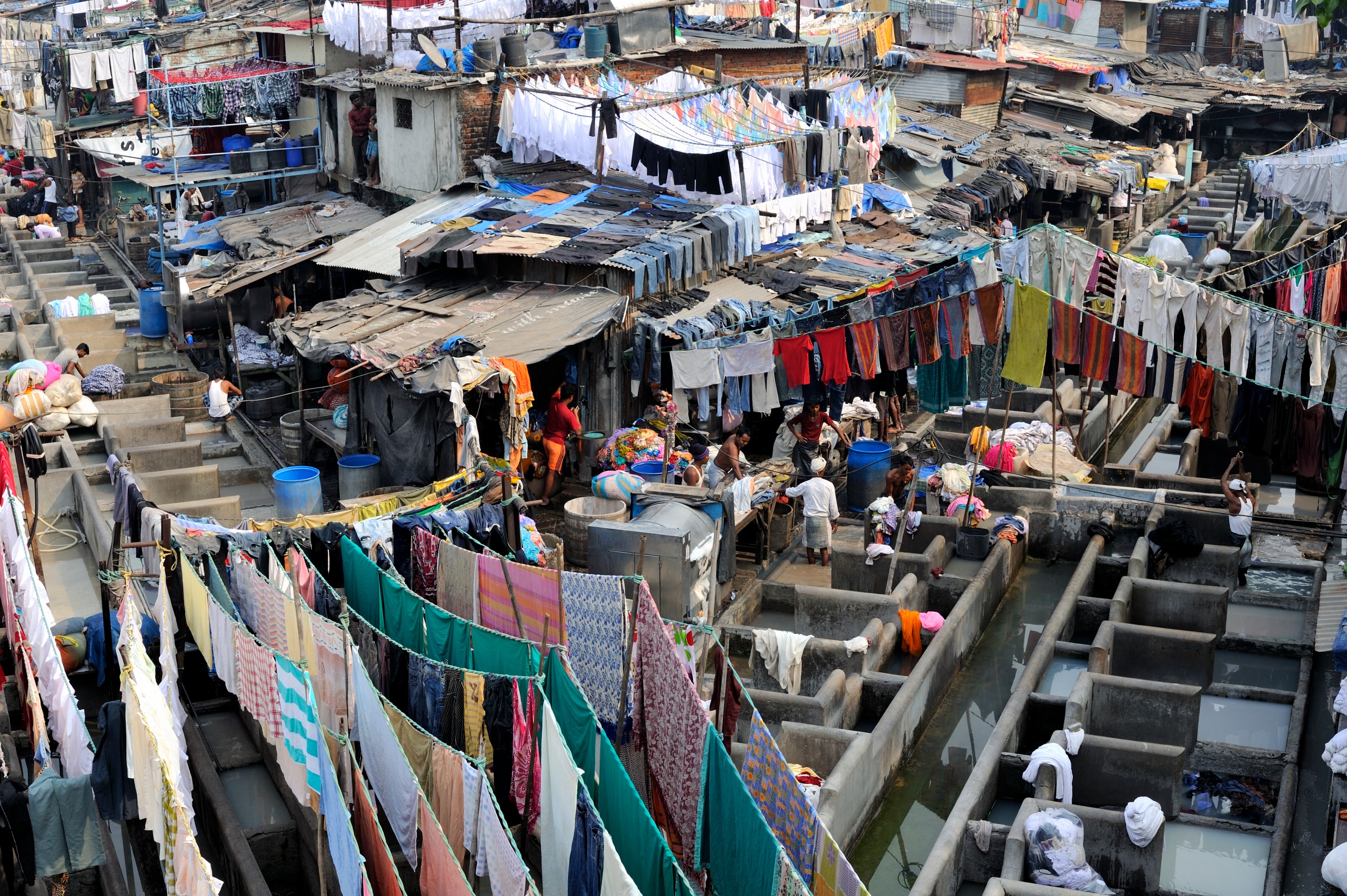
Dhobi Ghat
Sous le pont Mahalaxmi à Mumbai, 730 dhobis lavent à la main près d'un million d'articles par jour dans la plus grande blanchisserie en plein air au monde.
Accommodation in Mumbai
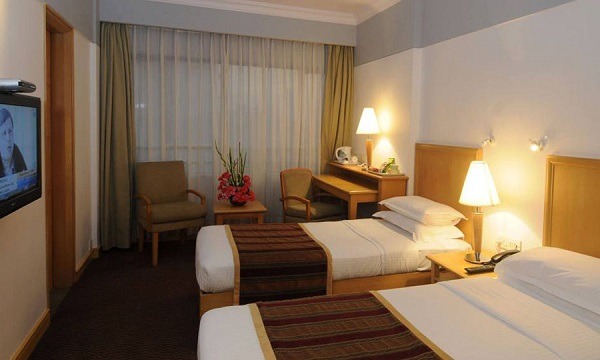
Fariyas Hotel
Hôtel urbain au sud de Mumbai, à quelques minutes à pied des musées de Colaba et à 10 minutes en voiture des quartiers d'affaires de Nariman Point.
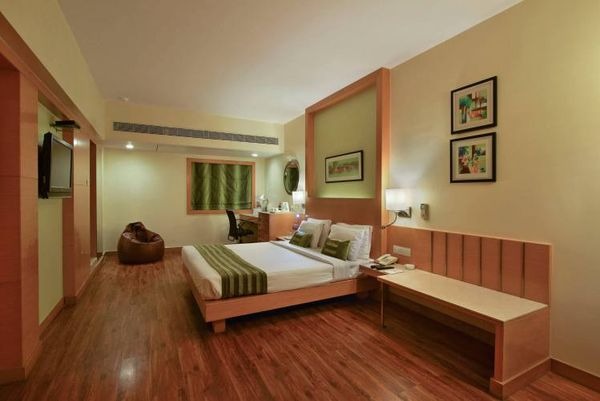
Comfort Inn Heritage
Hôtel d'affaires 3 étoiles à Mumbai, bien connecté aux aéroports et au réseau ferré. Trois catégories de chambres pour une étape urbaine en Inde.
Want to discover this destination?
Our local advisors design your tailor-made trip.