Varkala
Varkala
Red cliffs, golden beaches and bohemian vibes: Varkala is one of Kerala's most stunning stops, where yoga, ayurveda and spirituality converge.
Varkala is a serene seaside resort in Kerala, a state on India's southwestern coast. Renowned for its dramatic cliffs overlooking the Arabian Sea and pristine golden beaches, it captivates both international tourists and locals seeking spiritual renewal.
History
Varkala's history stretches back several centuries. Known as Balita in ancient Greek texts, the town was already featured in the "Periplus of the Erythraean Sea". It was thus a major hub for trade between India and the wider Mediterranean world.
According to legend, a Pandya king, guided by the god Brahma, founded a temple here to atone for his sins. Another tale recounts how the sage Narada, to help pilgrims cleanse themselves of wrongdoing, cast off his bark garment (valkalam), which fell at this exact spot. From then on, the place was called Valkalam, later becoming Varkala.
Today, one of Kerala's Most Coveted Beaches
Varkala's tourism boom began in the early 21st century. Today, the town is both a seaside resort and a spiritual center. It ranks among Kerala's most visited beaches. Visitors come to meditate, undergo ayurvedic treatments, practice yoga, or simply soak in a more tranquil atmosphere.
What to See and Do in Varkala?
Varkala Beach (Papanasam Beach)
Varkala Beach, also called Papanasam Beach, is the vibrant heart of the town. The word Papanasam means "destruction of sins," and according to belief, bathing here purifies the soul.
The beach stands out for its striking red cliffs, designated as a national geological monument for their rarity. You can swim, catch spectacular sunsets, or savor delicious, generous cuisine at its many restaurants.
It's worth noting that part of the shoreline is still used for Hindu rituals, particularly ash dispersals, though this doesn't deter tourists from swimming.
Anjengo Fort
Located roughly ten kilometers south of Varkala, Anjengo Fort bears witness to India's colonial era. Built in the 17th century by the English East India Company, it was the British's first trading post in Kerala.
Inside, visitors discover the ruins of the old bastion, a small 18th-century English cemetery, and magnificent views of the Arabian Sea. It's a place steeped in history and charm, perfect for a leisurely stroll.
Janardana Swami Temple
The Janardana Swami Temple, over 2,000 years old and dedicated to the god Vishnu, is one of Kerala's most revered sanctuaries. Perched on a hillside overlooking the beach, it draws daily pilgrims from across South India.
The site impresses with its intricately carved sculptures and spiritual atmosphere. Though entry is generally restricted to Hindus, the exterior and surrounding ambiance make a visit worthwhile, particularly during its annual festival between March and April.
Sivagiri Mutt
The Sivagiri Mutt is an ashram founded by social reformer and philosopher Sree Narayana Guru, who championed caste equality and religious tolerance.
Perched atop a hilltop, this sanctuary attracts thousands of devotees yearly, especially during the Sivagiri pilgrimage between December 30 and January 1.
The place, bathed in serenity, invites reflection and meditation.
Kappil Lake
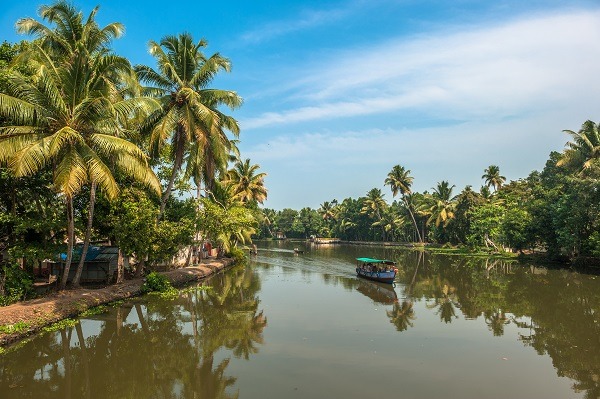
The Kappil Lake, located 4 km north of town, forms a stunning estuary before joining the Arabian Sea. Framed by coconut palms, it offers an ideal setting for a boat ride or a retreat from beach bustle. Its bridge affords a panoramic view of shimmering waters and surrounding rice-paddy landscapes.
Surfing at Kappil or Edava
The beaches of Kappil and Edava, further north, are favored spots for surf enthusiasts. Waves here are clean and consistent during the dry season, from November to March, attracting experienced surfers; during the monsoon, the sea calms and becomes ideal for beginners. This is home to the Soul & Surf camp, one of South India's most renowned. It offers lessons, retreats, and beachfront accommodations.
Practical Information
Climate and Weather
Varkala enjoys a tropical monsoon climate, marked by distinct seasonal variations. The ideal period to visit stretches from November to March, when temperatures are mild, ranging from 25 to 32°C, and weather is generally dry and sunny.
Between April and May, heat intensifies and humidity rises, while from June to September, the monsoon brings regular showers that make landscapes particularly lush. Pack lightweight cotton clothing, a raincoat during the humid season, and sunscreen year-round.
Access from Thiruvananthapuram
To travel from Thiruvananthapuram to Varkala, you can take the train to Varkala Sivagiri station, then take an auto-rickshaw or taxi for the short journey to the town center. Buses and taxis are also available and are often faster and more economical.
Frequently Asked Questions About Varkala
Is 2 days enough to visit Varkala?
Yes, two days allow you to explore Varkala's main attractions: Papanasam Beach, Janardana Swami Temple, Kappil Lake, and Anjengo Fort. However, if you wish to enjoy yoga sessions, an ayurvedic treatment, or a more leisurely retreat, plan for at least 3 to 4 days.
Is Varkala a good destination to visit right now?
Absolutely. Varkala remains pleasant almost year-round, though the best period runs from November to March.
What can you do in Varkala?
You can:
- swim at Papanasam Beach or surf at Kappil and Edava,
- explore Anjengo Fort and its colonial ruins,
- meditate at Sivagiri Mutt,
- visit Janardana Swami Temple,
- experience an ayurvedic treatment,
- take a boat ride on Kappil Lake,
- savor local cuisine on a terrace overlooking the sea.
Attractions in Varkala
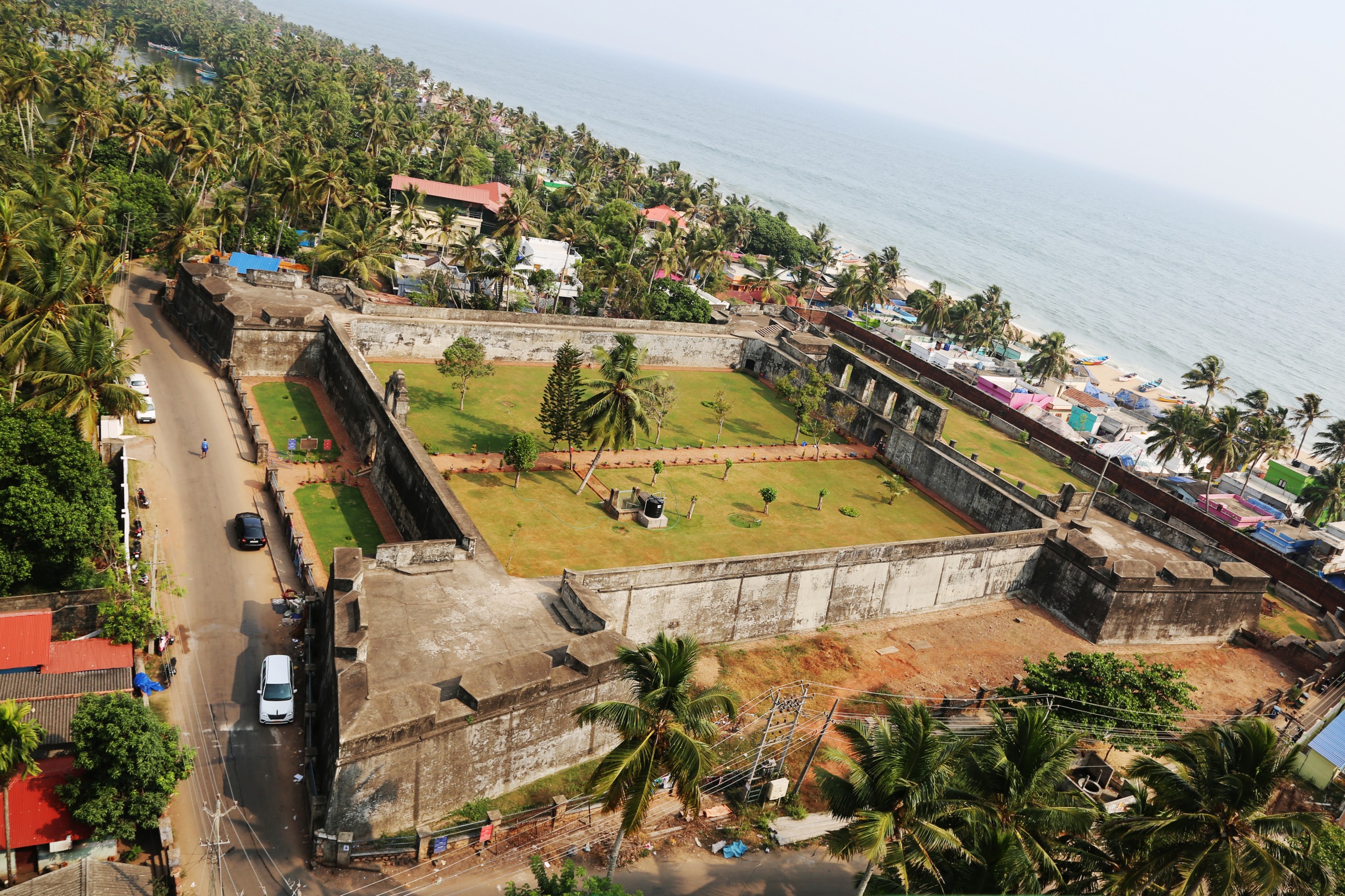
Fort d’Anjengo
À 12 km de Varkala, le fort d'Anjengo fut le premier comptoir de la Compagnie des Indes orientales en Inde. Histoire, architecture et infos pratiques.
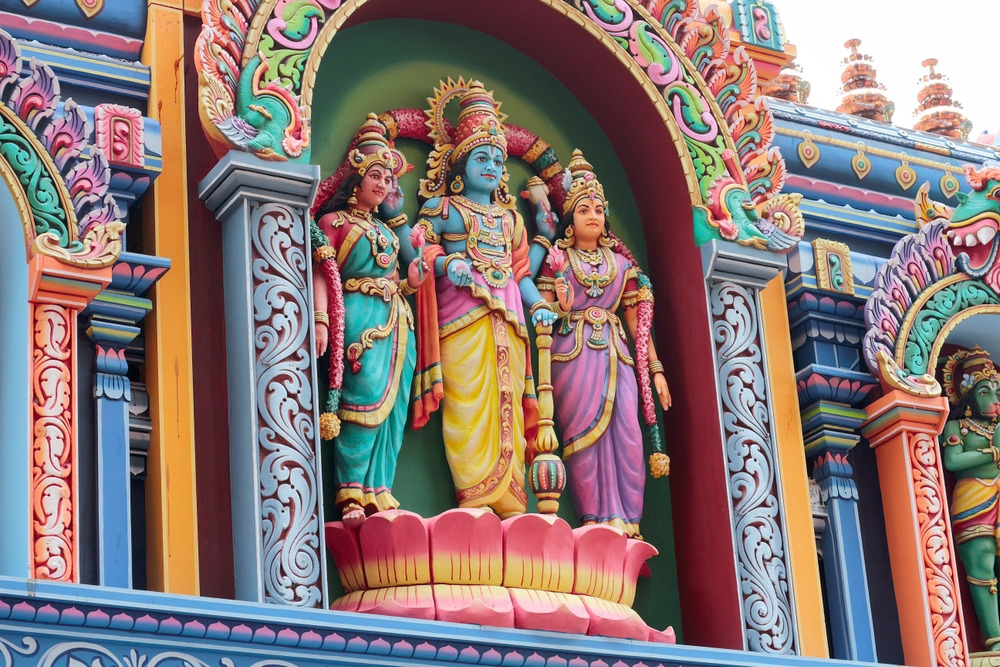
Temple Janardanaswamy
Sanctuaire hindou dédié à Vishnu sur une colline de Varkala, le temple Janardanaswamy associe architecture du Kerala, mythologie ancienne et grand festival Arattu.
Accommodation in Varkala
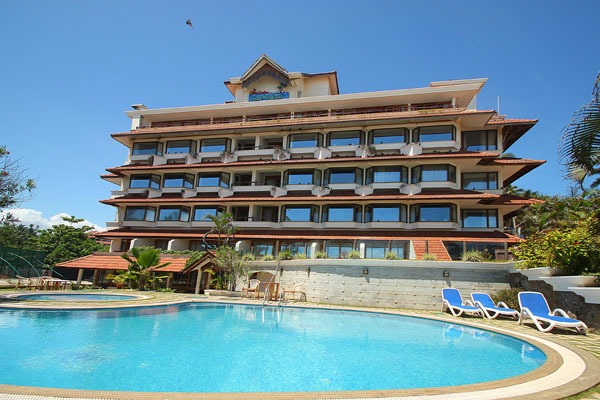
Hindustan Beach Retreat
Hôtel en front de mer à Varkala (Kerala), 27 chambres face à la mer d'Arabie, centre Ayurveda médicalisé, yoga, rooftop et piscine côté océan.
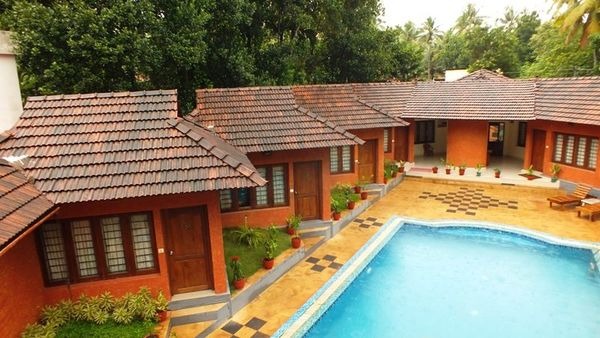
Deshadan Cliff & Beach Resort
Sur la falaise de Varkala, à 200 m de la plage de Papanasam : un resort bord de mer avec piscine, cottages familiaux et bureau d'excursions pour explorer le Kerala.
Want to discover this destination?
Our local advisors design your tailor-made trip.