Ramgarh Fort
Ramgarh Fort
Located 7 km from Panchkula, Ramgarh Fort combines an 11-meter wooden gate, an underground museum and an 18th-century heritage hotel.
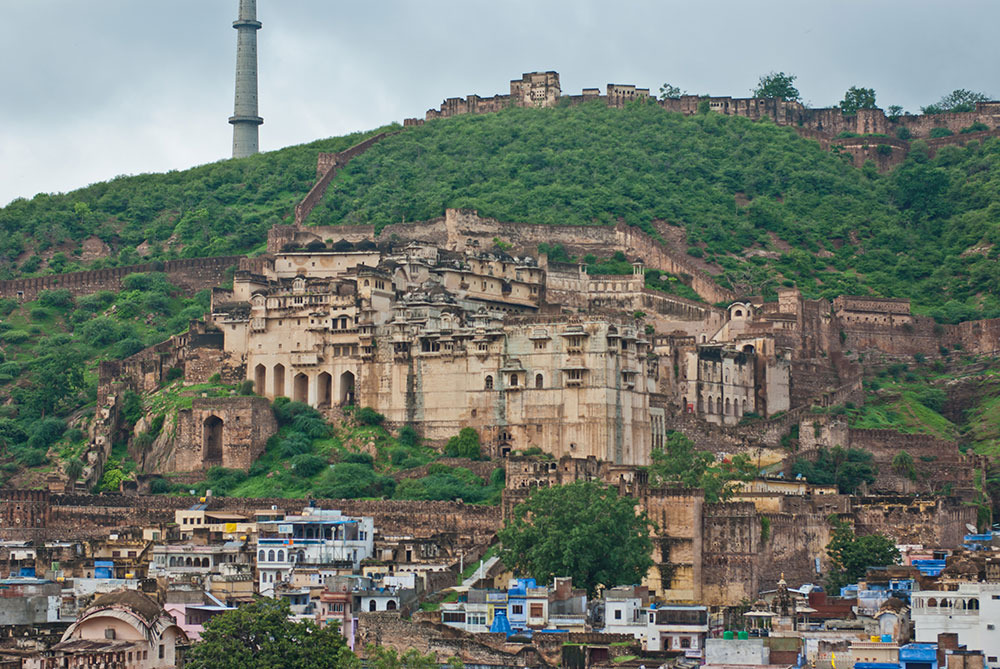
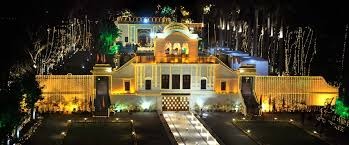
Ramgarh Fort stands at 1,220 meters altitude atop a hilltop, with the Shivalik mountains as a backdrop. Situated approximately 7 km from Panchkula in the state of Haryana, this 18th-century monument has been converted into a heritage hotel and is also worth visiting for its architecture, monumental gate and underground museum.
Why visit Ramgarh Fort
The site combines multiple points of interest in one location. Its elevated position offers sweeping views across the Himalayan foothills of the Shivaliks. The wooden entrance gate, standing over 11 meters high, is considered India's tallest wooden gate and is recognized as such in the Limca Book of Records. The complex also houses an underground Tunnel Museum and a collection of antique cars and chariots from the royal garage. It makes for a compelling stop for those interested in Rajput architecture and the history of northern India's principalities.
History of the fort
Construction of the residential palace was ordered in 1750 by Maharaja Balwant Singh, described as a descendant of the Chandela dynasty, which ruled central India between approximately 800 and 1182. The property, passed down through the same family for generations, is today described by its current owners as being roughly 360 years old—a family memory that extends beyond the strict chronology of the building itself.
Over the decades, the structure lost its military and residential function and was rehabilitated as a heritage hotel, which allowed the original interior spaces and decorative elements to be preserved.
What to see on site
The monumental entrance gate
The main entrance, crafted from solid wood, exceeds 11 meters in height. Its scale makes it the most immediately striking feature of the visit and a reference point in Indian record books.
The Tunnel Museum
This underground museum extends beneath the fort's walls, spanning the entire width of the fortification. The gallery, accessible through two doors at either end, is divided into two sections and houses antique objects, period furnishings and accounts of court life.
The royal garage collection
Part of the outbuildings displays antique cars and carriages that belonged to the ruling family. The ensemble illustrates the evolution of transportation methods used by local elites over nearly a century.
The Dastarkhan restaurant
The restaurant integrated within the fort is entirely vegetarian, offering a menu that combines northern Indian cuisine, Rajasthani specialties, tandoori dishes and a few Chinese options. Staff are dressed in Rajput costumes, in keeping with the setting.
Practical information
The fort is open to the public year-round. Hours cover a broad span during the day and evening, though they may change; it's best to confirm them with the establishment before your visit. Entry to the site is charged at a modest rate, separate from accommodation and dining services. Plan for one to two hours to explore the accessible areas, longer if you take a meal on-site.
How to get there
Panchkula is located at the far north of Haryana state, adjoining the Chandigarh agglomeration. This is the area from which you should organize your journey to the fort, approximately 7 km to the northeast.
- By air: Chandigarh Airport is the closest and serves major Indian cities. From there, allow around thirty minutes by taxi or private car to reach the fort.
- By train: Chandigarh and Panchkula railway stations are connected to the national network, with regular services to Delhi and beyond.
- By car: from Delhi, allow approximately 4 to 5 hours by road via the NH44 highway.
On booking websites and in some older documents, there is confusion with another Ramgarh located in Uttarakhand: verify that the information you consult concerns the fort at Panchkula in Haryana.
Nearby attractions
The Chandigarh-Panchkula region makes an excellent base for combining heritage and nature. Further north in Himachal Pradesh, the Beas River flows through the Kullu Valley and offers Himalayan landscapes accessible within a day's drive. To continue exploring the historical memorials of neighboring Punjab, the Ajit Singh Memorial is worth a detour.
Frequently asked questions
Frequently asked questions
The fort is situated approximately 7 km from Panchkula in the state of Haryana in northern India, at the edge of the Shivalik mountain foothills. It should not be confused with the Ramgarh in Uttarakhand.
Yes. The fort has been rehabilitated as a heritage hotel and offers several categories of rooms and suites, available for booking independently of site admission.
One to two hours are sufficient to tour the monumental gate, the Tunnel Museum and the collection of antique cars. Allow more time if you plan to dine at the Dastarkhan restaurant.
The most pleasant season spans October through March, when temperatures are moderate in northern India. Avoid the months of May-June, which are very hot, and the monsoon season of July-August.
Including Ramgarh Fort in your journey
Ramgarh Fort integrates well into an itinerary departing from Delhi, as a prelude to travel toward Chandigarh, Punjab or the first Himalayan valleys. To build a coherent circuit around these stops, consult our tailor-made trips to India.
Interested in this visit?
We can include it in your personalised itinerary.