Pushkar Lake
Pushkar Lake
A sacred Hindu lake in Rajasthan, Pushkar Lake is surrounded by 52 ghats and over 500 temples. One of India's five holiest Pancha Sarovar pilgrimage sites.
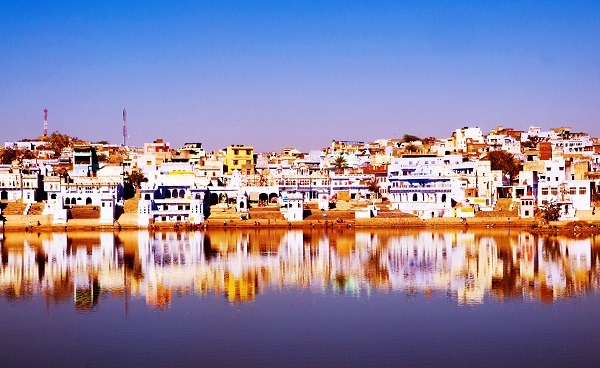
Pushkar Lake is one of five holiest Hindu pilgrimage destinations in India (Pancha Sarovar). Located in the town of Pushkar, in the Ajmer district of Rajasthan, this body of water at 510 metres elevation is surrounded by 52 bathing ghats and over 500 Hindu temples. Each year, it draws thousands of pilgrims who come to immerse themselves in its waters to achieve spiritual purification.
Why visit Pushkar Lake
Pushkar Lake brings together a strong spiritual dimension, distinctive geography in the heart of the Thar Desert, and dense architectural heritage. Its stepped ghats, colourful temples, and pilgrims in prayer compose a unique landscape in Rajasthan. It is also the only Indian site dedicated to Brahma, a deity rarely honoured with temples of its own.
Beyond pilgrimage, the lake serves as a window for understanding living Hinduism: morning rituals, flower offerings, twilight prayers on the ghats. Visitor numbers remain relatively moderate outside festival periods, allowing for a contemplative experience.
History and legends
The origins of Pushkar Lake belong more to mythology than documented history, with accounts tracing it to the distant past, sometimes placed around the 4th century BC. According to Hindu tradition, the lake appeared when Brahma dropped a lotus petal (pushpa) to earth, giving the site its name.
Another, later legend tells that in the 9th century, the Rajput king Nahar Rao Parikar of Mandore was hunting a wild boar nearby. Seeking to quench his thirst, he dipped his hand in the lake's water and was astonished to find that the leucoderma marks covering his skin had vanished. Convinced of the water's healing powers, he decided to restore it. Sikh tradition also recounts that the tenth Guru, Gobind Singh Ji, recited the Guru Granth Sahib on the lake's shores.
Since then, Hindu pilgrims and travellers have come to immerse themselves in its waters, to which are attributed the power to cleanse sins and certain skin conditions.
What to see and do
The 52 ghats
The lake's perimeter is marked by 52 ghats, each associated with a Rajasthani dynasty or princely lineage. Brahma Ghat, Varah Ghat, and Gau Ghat are among the most frequented. Pilgrims descend here for ritual bathing; visitors are invited to remove their shoes and observe respectful conduct (photography often prohibited during rituals).
Neighbouring temples
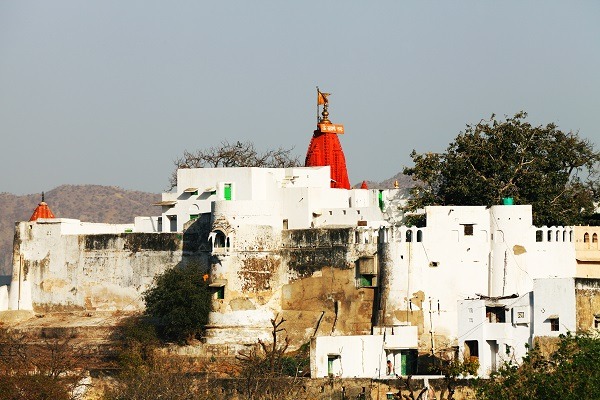
The Temple of Brahma, a few minutes' walk from the lake, is one of the world's rare temples dedicated to this deity. The Savitri Temple, perched on a hill, offers sweeping views of the lake and town. Several modest sanctuaries dot the ghats.
Evening prayers
The evening aarti, with oil lamps and devotional chants, is a privileged moment to experience the spiritual atmosphere of the site.
Pushkar Fair
Renowned as one of Asia's largest cattle and camel fairs, the Pushkar Fair takes place annually around the full moon of Kartik. The livestock market, moustache competitions, camel races, dances, and music transform the town for about ten days.
When to visit
The period from October to March is most favourable, with dry weather and pleasant daytime temperatures. The Kartik Poornima festival (the full moon of Kartik month, generally October–November) marks the spiritual peak of the year: thousands of pilgrims come for ritual bathing. The Pushkar Fair occurs in the same window, making the town lively but also very crowded. The months from April to June are best avoided due to intense heat; the monsoon (July–September) is manageable but humid.
Practical information
- Access: the lake's surroundings are freely accessible with no entry fee.
- Visit duration: allow 1 to 2 hours to walk around the main ghats, longer if you visit the temples as well.
- Dress code: shoulders and legs covered recommended; remove shoes before descending to the ghats.
- Photography: prohibited or discouraged during rituals and bathing. Always ask before photographing people.
- Offerings: be cautious of intermediaries offering "blessings" (pujas) in exchange for donations. Agree on the amount beforehand or politely decline.
How to get there
Pushkar has neither airport nor railway station. Main entry points are:
- Ajmer (approximately 15 km away), served by trains from Delhi, Jaipur, and Jodhpur. Frequent bus, taxi, and auto-rickshaw services between Ajmer and Pushkar.
- Jaipur (approximately 145 km away), with an international airport, accessible by train or road in 3 to 4 hours.
Within Pushkar, the town centre and ghats are walkable. Motorised traffic is restricted around the lake.
Nearby attractions
- Temple of Brahma: 5 minutes' walk from the lake.
- Savitri Temple: accessible by stairs or cable car, with panoramic views of the valley.
- Ajmer Sharif Dargah: major Sufi shrine in Ajmer, approximately 15 km away.
- Thar Desert: short camel excursions departing from Pushkar.
To extend your Rajasthan itinerary, consult our guide to the town of Pushkar, or explore other Indian sites such as the Ajit Singh Memorial in Jodhpur or Bandhavgarh National Park.
Frequently asked questions
Frequently asked questions
Include Pushkar Lake in your trip
Pushkar Lake fits naturally into a Rajasthan circuit connecting Jaipur, Jodhpur, and Udaipur. To plan your itinerary and tailor your stay to your interests, consult our India travel suggestions.
Interested in this visit?
We can include it in your personalised itinerary.