The Sikh Pilgrimage in India's Valley of Flowers
Hemkund is an important pilgrimage site for the Sikh community across the Indian subcontinent. It is near this high-altitude lake surrounded by seven mountains that Guru Govind Singh, the tenth and final great prophet
Hemkund is an important pilgrimage site for the Sikh community across the Indian subcontinent. It is near this high-altitude lake surrounded by seven mountains that Guru Govind Singh, the tenth and final great prophet of Sikhism, is believed to have meditated for several years. The Sikh community celebrates today the 343rd anniversary of this guru.
The Hemkund trek, located in Uttarakhand state in northern Inde near the Chinese border, is relatively challenging. The starting point is the small town of Govindghat, where, as in many sacred sites of major importance, shops selling religious objects—somewhat kitschy—abound. Sikhs, distinguished warrior-saints recognizable by their turbans and uncut beards and hair, represent approximately 2.1% of Inde's population.
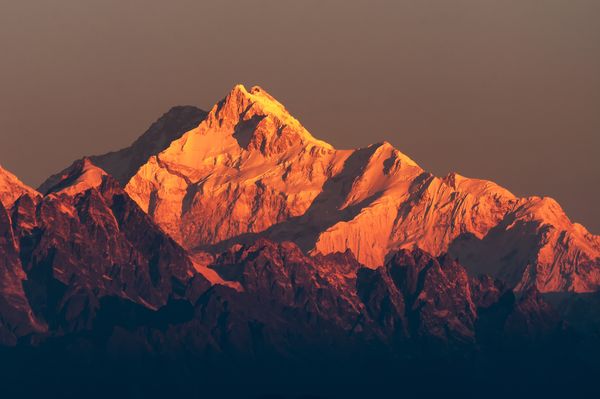
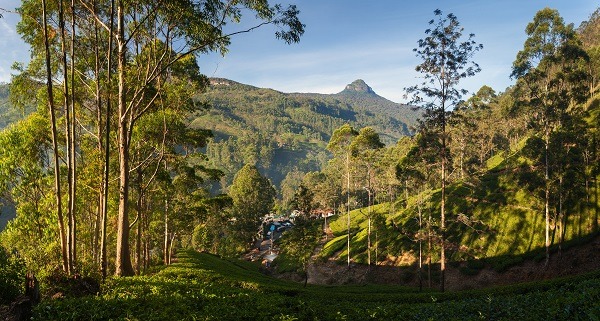
The 13 kilometers of the first day's trek wind through a valley bordered by meadows and ice. They lead to the small town of Gangharia, which receives electricity for just four hours daily, on good days at least. The landscape is breathtaking—waterfalls cascading dozens of meters, snow-capped peaks, the Valley of Flowers, a national reserve composed of primroses, white anemones, marigolds, white roses, rhododendrons…
The next day you must set off early to cover the 6 kilometers of steep terrain and reach the sacred lake before evening prayers. "The effort is significant, suffering is part of the pilgrimage because it shows God what we are willing to do for him. I don't believe the trek has meaning if, like some, you ride on a mule or worse, on a man's back," confides Guljar Singh Sandmu, who at 75 years old has lost count of how many times he has come here.
"For me today, the pilgrimage holds a very special meaning because last May I had a heart attack and remained in a coma for several weeks. I am here to thank God for giving me a reprieve. I believe this is the last time my legs can carry me to the top, at least in this lifetime," he shares with a smile.
Young and old alike, pilgrims and tourists help one another, offer comfort, and exchange sweets. The devotees sing praises to the mountain and the Guru, then, upon arriving at the lake at over 4,500 meters in altitude, purify themselves by immersing in the icy waters. All the hikers then eat dal (a traditional lentil dish) and drink chai (spiced milk tea).
Thanks to donations from the relatively privileged Sikh community in Inde, food and beverages are offered free to all visitors in the gurdwara (the temple). Guru Nanak created the Sikh religion in the 15th century in reaction against the caste system and the supremacy of Brahmins over society as a whole. Even today, the langar (communal meal) is shared without distinction of religion or caste, humbly seated on the ground.