Kalyan
Kalyan
A former Maratha and Portuguese stronghold an hour from Mumbai, Kalyan offers historic remains, ghats along the Ulhas River and lively markets, far from standard tourist circuits.
Kalyan is a historic city in Maharashtra, located roughly forty kilometers northeast of Mumbai. A former stronghold of the Portuguese and later the Marathas, it occupies a strategic position at the confluence of the Ulhas and Waldhuni rivers. Today integrated into the Mumbai metropolitan area, it preserves colonial vestiges, bustling markets and a distinct identity often overlooked by conventional tourism circuits.
Quick Practical Information
- Access: Kalyan Junction is a major railway hub served by Central Railway lines from Mumbai CST (journey of approximately one hour).
- Recommended Duration: Half a day suffices for the main sites; a full day if exploring the surrounding areas.
- Dress Code: Covered clothing recommended for places of worship.
What You'll See
Kalyan blends Portuguese colonial architecture, Maratha forts and Hindu temples. The Kalyan Fort, partially preserved, testifies to the power struggles between the Portuguese, Mughals and Marathas. The city is also home to several ancient mosques and temples reflecting its religious diversity. The central market, lively and dense, offers a true picture of life in interior Maharashtra.
History and Context
Kalyan was an active port from medieval times, exporting cotton and spices. The Portuguese captured it in the 16th century before being driven out by the Mughals, then by Shivaji Maharaj who incorporated it into the Maratha empire in 1660. This succession of powers left behind architectural and cultural layers still visible in the city today.
Highlights of Your Visit
Kalyan Fort
The fort's remains offer a glimpse into Maratha fortifications. The partially standing walls and bastions allow you to imagine the site's strategic importance, commanding the river confluence.
Ghats and Riverbanks
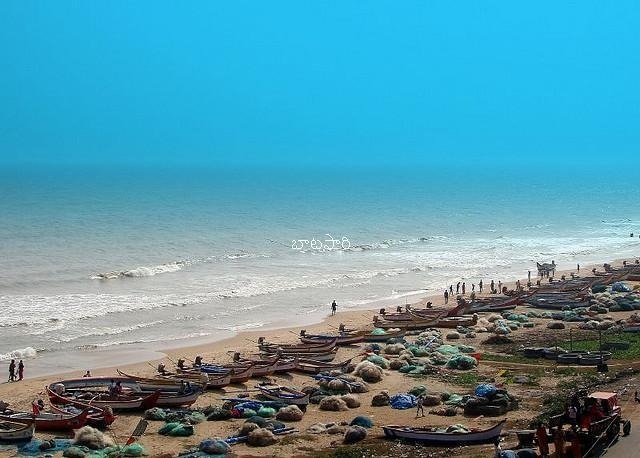
The ghats on the Ulhas are places of daily life: ritual baths, laundries, fishing boats. Early morning, the atmosphere is particularly authentic and rarely visited by outsiders.
Kalyan Market
The central bazaar concentrates spices, textiles and utensils. It's a vantage point for observing local life, far from Mumbai's tourist hustle.
Etiquette and Visit Guidelines
- Remove your shoes before entering temples and mosques.
- Ask permission before photographing worshippers at prayer.
- Dress modestly (shoulders and knees covered) in places of worship.
Photography Tips
Morning light is ideal on the ghats and ancient alleyways. Portuguese colonial facades, recognizable by their arches and tiles, photograph well in late afternoon. Avoid market peak hours if you seek clear compositions.
Location and Access
Kalyan is located in Thane district, Maharashtra. Kalyan Junction station is one of the region's busiest: direct trains from Mumbai CST and Pune. Local buses and auto-rickshaws serve intra-city sites. Accessibility for people with reduced mobility remains limited in the old alleyways and on the ghats.
Nearby Attractions
- Matheran — car-free mountain station, accessible from Neral, close to Kalyan.
- Bhimashankar — jyotirlinga temple in the Western Ghats, a few hours' drive away.
- Mumbai — neighboring metropolis, about one hour by train, with Gateway of India, Colaba and Elephanta Caves.
- Thane — neighboring lakeside city, known for its lakes and colonial fort.
Frequently asked questions
The Central Railway line connects Mumbai CST to Kalyan Junction in approximately one hour. Trains run frequently throughout the day.
Yes, if you seek an authentic historic city away from tourist circuits. The Maratha remains and market atmosphere offer a striking contrast to Mumbai.
October to February, the dry and cool season, is most pleasant. Avoid the monsoon (June-September) for outdoor site visits.
Yes. Kalyan serves as a departure point toward Matheran (via Neral) or to the Western Ghats. A well-organized day allows combining both.
Places of worship generally require permission to photograph the interior and worshippers. Outdoor spaces and ghats are freely photographable.
Photos
Want to discover this destination?
Our local advisors design your tailor-made trip.