Jaunpur
Jaunpur
Just 60 km from Varanasi, Jaunpur unveils an exceptional Sharqi heritage: monumental mosques, Mughal bridges, and authentic markets in Uttar Pradesh.
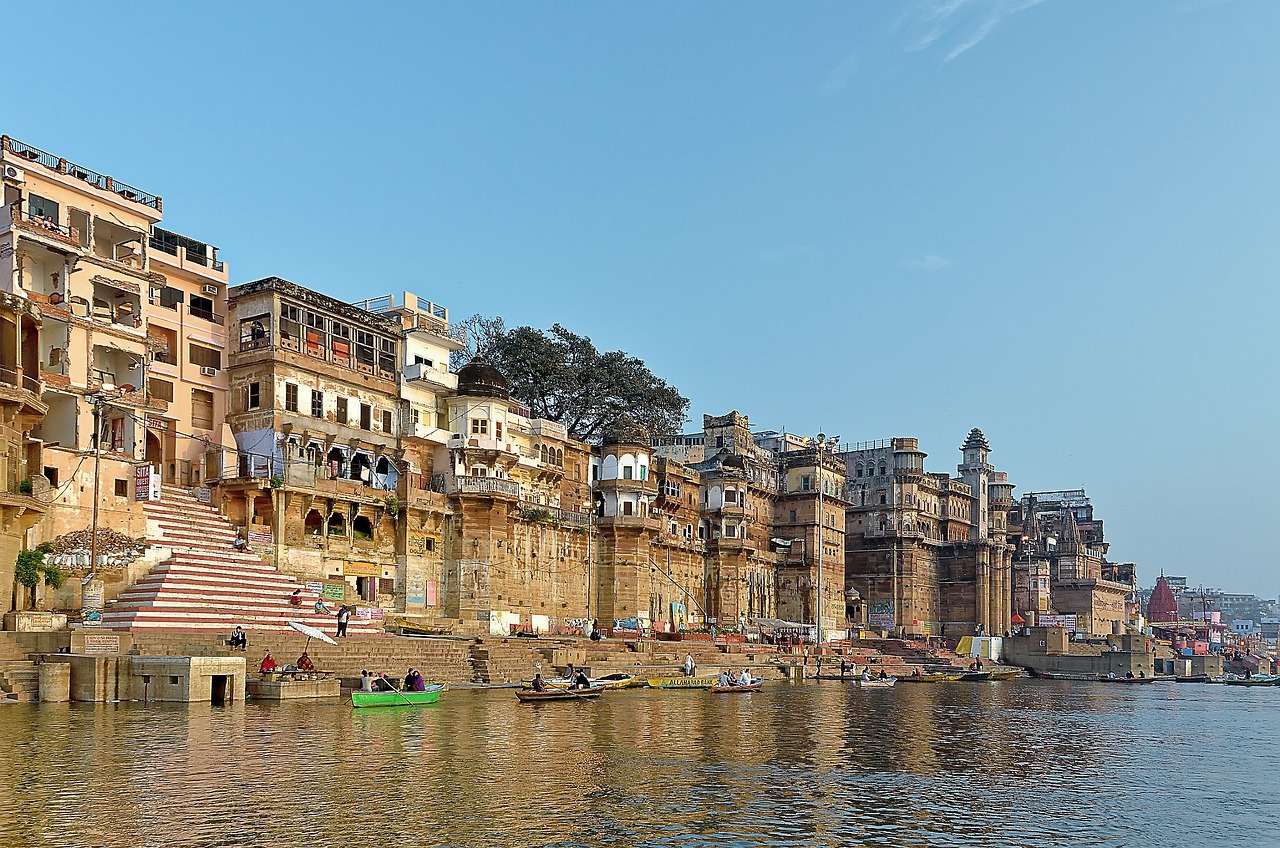
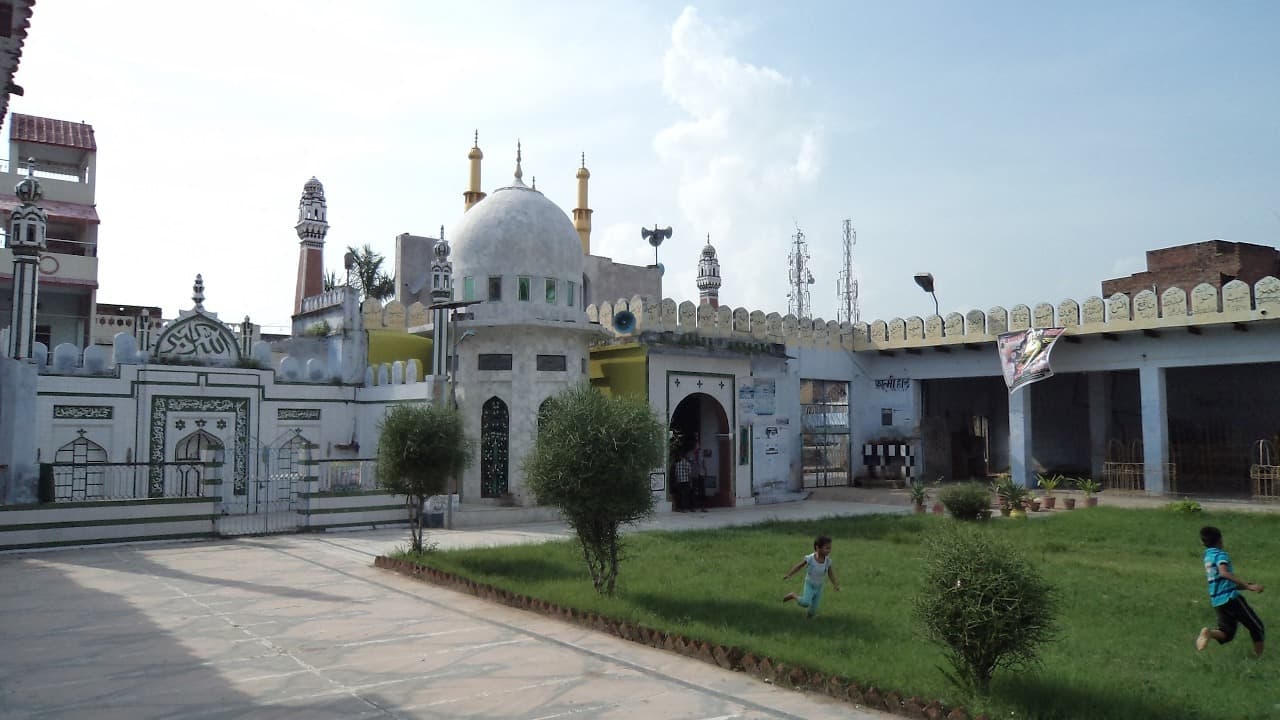
Nestled on the banks of the Gomti River, Jaunpur, or Jawnpur, is a city in the state of Uttar Pradesh. This destination will captivate you with its peaceful atmosphere and monuments inherited from different dynasties. Here, Hindu traditions, Sufi Islam, and Indo-Muslim architecture interweave seamlessly.
History
The earliest known rulers of Jaunpur were the Yadavs, who established their forts in the villages of Chandwak and Gopalpur. The Bhars, another local people, also left their mark, particularly through the worship of Shiva and Shakti.
In 1359, the city was incorporated into the Delhi Sultanate by Feroz Shah Tughlaq, who named it in memory of his cousin Jauna Khan. A few decades later, Malik Sarwar, the regional governor, declared his independence and founded the Sharqi dynasty (1394–1479). Under Ibrahim Shah Sharqi (1402–1440), Jaunpur reached its zenith, extending eastward to Bihar and westward to Kanauj. The city became a major center of culture, architecture, and Sufi learning.
The last great Sharqi sovereign, Husain Shah (1456–1476), attempted several times to conquer Delhi but was repelled by Bahlul Lodi. His defeats weakened the kingdom, which was eventually annexed in 1493 by Sikandar Lodi, ending Jaunpur's independence. Despite destruction, several monuments from this era survive to this day.
Under the Mughals, the city continued to play an important regional role. The Shahi Pul bridge, built under Akbar in 1564, illustrates this vitality. During the 1857 rebellion, Jaunpur actively participated in the resistance before being recaptured by the British. The city subsequently became a colonial administrative center.
Today
Jaunpur is today the administrative center of the district of the same name. It is a mid-sized city where commercial activity mingles with religious and cultural life. Its mosques, temples, and ancient bridges still punctuate the daily rhythms of its inhabitants, while its heritage recalls the importance it once held in the region's history.
What to See in Jaunpur?
Atala Masjid
Built in 1408 by Ibrahim Shah Sharqi, the Atala Masjid is one of Jaunpur's most iconic monuments. Its galleries, soaring arches, and three imposing gateways served as a model for other mosques in the city. With its majestic proportions and sculpted details, it stands as a remarkable testament to Sharqi architecture.
Jhanjhari Masjid
Located on the north bank of the Gomti, the Jhanjhari Masjid was also built by Ibrahim Sharqi. It is renowned for its decorated arches called jhanjhariyas. Though partially destroyed by Sikandar Lodi and flooding, its central arch, standing 10 meters high, remains impressive. Some of its stones were later reused in the construction of the Shahi Pul bridge.
Masjid Lal Darwaja
Built in 1455 by Queen Rajye Bibi, wife of Mahmud Shah Sharqi, the Masjid Lal Darwaja stands in the northern part of the city. It features three gateways and a vast interior space. Its inscriptions in Sanskrit and Pali reflect the cultural exchanges of the era.
Sheetala Maata Chaukiya
A very ancient place of worship, the Sheetala Maata Chaukiya temple is associated with the earliest local dynasties. Dedicated to a benevolent form of the Mother Goddess, it attracts many devotees, especially on Mondays, Fridays, and during Navratri. As a living shrine, it testifies to the continuity of Hindu traditions in Jaunpur.
Shahi Quila
The Shahi Quila, erected in 1362 by Feroz Shah Tughlaq, overlooks the Gomti. Though partially in ruins, the fort retains its monumental gates, arches, and a mosque that blends Hindu and Buddhist influences. From its ramparts, the view over the city and river is breathtaking.
Jama Masjid
The Jama Masjid, or grand mosque, was begun under Ibrahim Shah and completed under Husain Shah. Rising over 25 meters high, it impresses with its size and decorative refinement. Its arches, floral ornaments, and motifs inspired by Egypt and India make it a masterpiece of Sharqi art.
Shahi Pul
The Shahi Pul bridge, approximately 8 meters wide, is adorned with sculptures, including a lion overpowering an elephant, sourced from an ancient Buddhist monastery. Once bustling with small shops in its gumtis, it remains a privileged vantage point for observing the city.
Jaunpur is located in eastern Uttar Pradesh, approximately 60 km from Varanasi. The city is served by several railway stations, including Jaunpur City and Jaunpur Junction, connected to the major transport hubs of northern India. Buses and taxis also provide convenient access to Jaunpur from Varanasi or Lucknow. The nearest airport is located in Varanasi, with regular flights to Delhi and other major Indian cities.
In Jaunpur, you can travel by rickshaw, local taxi, or on foot to explore the main historical sites concentrated in and around the city center.
Best Time to Visit Jaunpur
The months of October through March are most pleasant for discovering Jaunpur, offering mild weather and ideal conditions for outdoor exploration.
FAQ
Is Jaunpur a good alternative to Varanasi?
Yes, it offers a calmer atmosphere while being close to Varanasi, allowing you to experience both cities within a single trip.
How much time should I allow to visit Jaunpur?
One day is sufficient to see the main sites, but two days will allow you to explore at a more leisurely pace.
What souvenirs should I bring back from Jaunpur?
The city is known for its artisanal perfumes (ittar), local textiles, and traditional cuisine (Imarti), all of which can be found in the markets.
Want to discover this destination?
Our local advisors design your tailor-made trip.