Gatlang
Gatlang
Perched at 2,238 m in Rasuwa, Gatlang is a Tamang village where black stone architecture, homestays and the Tamang Heritage Trail offer authentic Nepal.
Nestled in the hills of Rasuwa, Gatlang is a Nepalese village where traditions, hospitality and mid-mountain landscapes converge. Here, you'll discover the world of the Tamang, a people with Tibetan roots known in particular for their stone and wood architecture. Far from the hustle and bustle of conventional tourist circuits, Gatlang will seduce you with its authenticity and its window onto a Nepal still preserved. Everything you need to know about this village in this guide.
History
According to local memory, the current inhabitants of Gatlang are descendants of a few families from an older hamlet, Khe Dho, now abandoned. Settlement at the current site is said to have been motivated by the search for land more favorable to agriculture and livestock. The village has remained marked by Tamang identity, an ethnic group speaking its own language and practicing Buddhism tinged with Tibetan traditions.
Over the centuries, Gatlang maintained a social organization based on community and resource sharing, before gradually opening up to the outside world with the arrival of roads, rural development programs and tourism.
In 2015, an earthquake damaged several traditional houses in the village. The inhabitants rebuilt them while preserving their ancestral architectural style.
Gatlang Today
Gatlang is now home to a community of around two thousand inhabitants, living mainly from agriculture, livestock and rural tourism. Its economy rests on the cultivation of millet, maize and potatoes, as well as welcoming travelers. The village is an integral part of the Tamang Heritage Trail, a trekking route connecting several cultural villages in the region.
What to Do in Gatlang?
Admire the Village Architecture
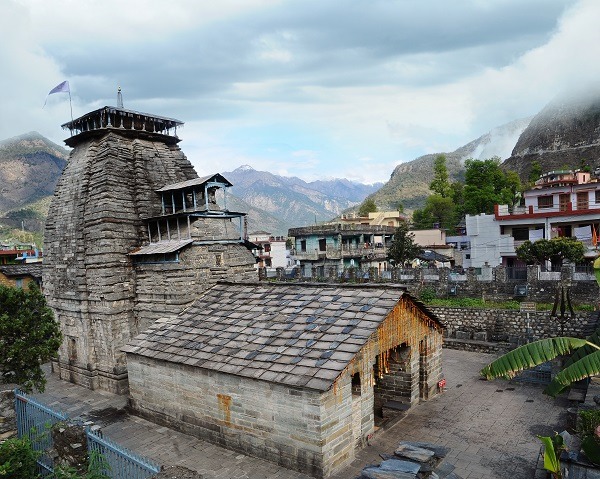
Gatlang's stone houses with wooden roofs form a striking ensemble. Their dark hue, acquired over time, gives the village its nickname of "Black Village." Arranged in compact rows to better retain heat, they illustrate the ingenuity and aesthetics of Tamang architecture, both functional and harmonious.
Immerse Yourself in Tamang Culture
The Tamang represent the vast majority of Gatlang's population. They perpetuate their ancestral customs. Witnessing their celebrations or a Syabru dance, rhythmed by drums and wind instruments, allows you to enter the heart of their world.
Share in Local Life
The daily life of Gatlang's inhabitants remains centered on agriculture, livestock and craftsmanship. When visiting the village, you can observe fieldwork, carpet weaving, or the preparation of local dishes.
Explore Parvati Kunda
The sacred lake of Parvati Kunda, located just steps from the village, attracts both local pilgrims and tourists. Associated with spiritual beliefs, this glacial body of water is renowned for its beneficial properties. The site also offers a peaceful setting for a walk or photo session, with forests and mountains as a backdrop.
Marvel at the Langtang Landscapes
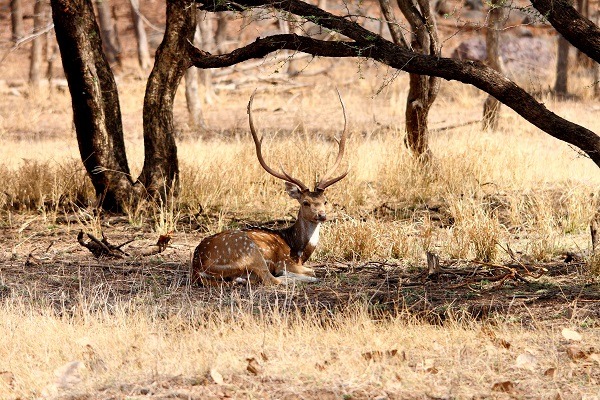
From Gatlang, your gaze extends toward the majestic peaks of Langtang Lirung and Ganesh Himal. In spring, the hillsides are adorned with flowering rhododendrons, offering a spectacular sight. In these forests and pastures live domestic yaks, langur monkeys and, more discreetly, the rare red panda.
Embark on the Tamang Heritage Trail
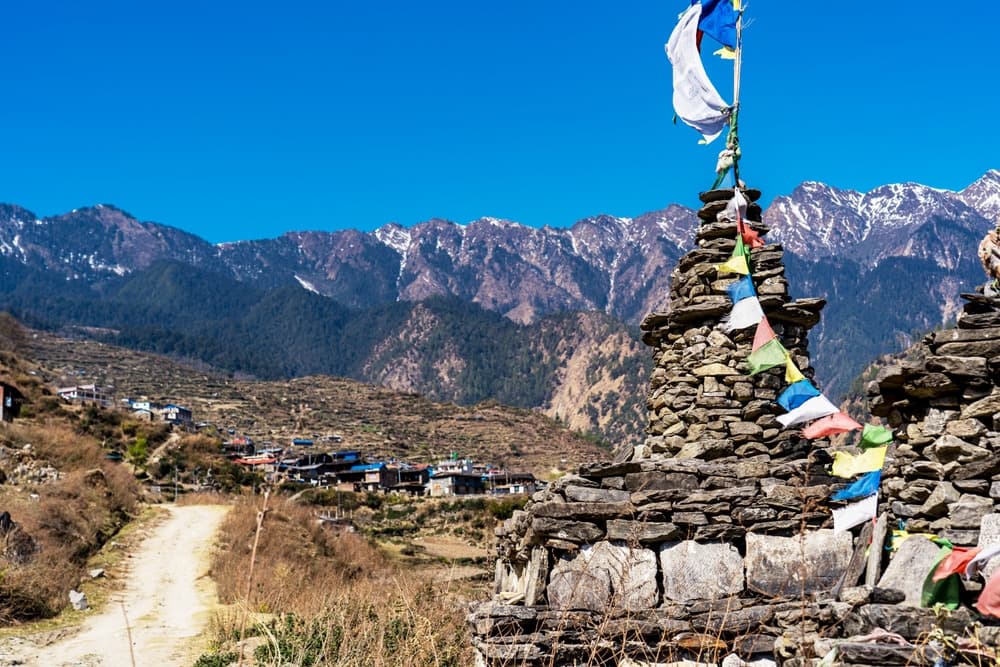
As mentioned above, Gatlang is a stop on the Tamang Heritage Trail. From the village, you can reach Tatopani with its hot springs, or Thuman and Briddim, each offering a different cultural immersion. The paths traverse terraced fields, forests and valleys, while revealing stunning panoramas of the Himalayas.
From Kathmandu, reach Syabrubesi by bus or jeep (approximately 7 to 8 hours of driving). Then, plan for 7 kilometers to reach Gatlang, either by jeep or on foot to enjoy the scenery.
Best Time to Visit Gatlang
Gatlang's climate is mountainous, with cold winters and humid summers. To enjoy trekking and pleasant conditions, favor spring (March to May) and autumn (September to November). These seasons offer mild weather, clear skies and particularly beautiful nature: rhododendron flowers in spring and vibrant colors in autumn.
Conversely, the monsoon (June to August) makes trails slippery and winter (December to February) can bring snow and harsh temperatures.
Frequently Asked Questions About Gatlang
Are There Accommodations in Gatlang?
Yes, several families offer homestays. You sleep in a simple room and share meals with your hosts.
How Many Days Should I Plan?
One to two days are sufficient to visit the village and its surroundings, but many travelers stay longer by combining with the Tamang Heritage Trail.
Can I Pay by Bank Card?
No. Plan to bring cash from Kathmandu or Dhunche, as there are no ATMs in Gatlang.
Is There an Altitude Risk?
Gatlang sits at an intermediate altitude. Most travelers acclimatize easily, but walk slowly and stay well-hydrated.
Want to discover this destination?
Our local advisors design your tailor-made trip.