Kanha National Park
Kanha National Park
A sanctuary for the Bengal tiger and the rare barasingha, Kanha National Park spans 940 km² of sal forests and grasslands in the heart of Madhya Pradesh.
Spanning 940 km², Kanha National Park, also known as the Kanha Tiger Reserve, stands as one of India's largest national parks. Composed of sal forests, verdant grasslands, and spectacular ravines, it captivates with its remarkable biodiversity. It serves as a vital refuge for the Bengal tiger and the barasingha, a rare species of deer endemic to India and Nepal. The park is located in the heart of India's Madhya Pradesh state.
The park's origins trace back to 1879, when the region was declared a reserved forest. In 1933, it acquired the status of a wildlife sanctuary in recognition of its ecological importance.
The year 1955 marked a decisive turning point: the park was officially established. The objective was clear: to save the barasingha from extinction, also known as Duvaucel's deer.
In 1973, the reserve joined the prestigious Project Tiger and obtained the status of a tiger reserve.
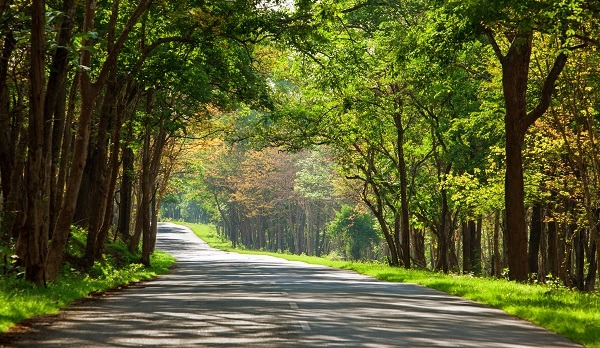
Kanha National Park enchants with its lush landscapes, featuring sal forests and open grasslands. These natural settings are believed to have inspired Rudyard Kipling when writing his celebrated Jungle Book, making Kanha one of the most evocative symbols of Indian wilderness.
Sal forests dominate the park's landscape and constitute its vegetative soul. These majestic trees, with their straight, silvery trunks, form a dense canopy where diffused light prevails. Between these timber giants extend vast bamboo groves, sheltering and nourishing numerous herbivores.
Open grasslands, former agricultural lands now reclaimed by nature, alternate with clusters of Mahuwa trees. Their fragrant flowers color the seasons and attract a myriad of insects and birds.
Several lakes and water sources punctuate the park. They are bordered by aquatic plants and reeds where migratory birds gather.
Around the park, a buffer zone exceeding 1,000 km² protects this botanical wealth. It allows ecosystems to regenerate naturally, ensuring the sustainable preservation of one of Madhya Pradesh's verdant landscapes.
Kanha National Park's fauna is equally remarkable due to its great diversity. More than 120 Bengal tigers roam the reserve, making it one of the best places to observe these felines in India.
Beyond these great predators, the park also harbors leopards and sloth bears, timid yet fascinating creatures. Dholes, these Indian wild dogs with formidable hunting techniques, also roam here in organized packs. Furthermore, more than 1,200 gaurs, imposing Indian bisons, graze peacefully in the clearings.
However, the park's true pride remains undeniably its numerous barasinghas, which it has saved from extinction through conservation efforts. These marsh deer coexist with graceful axis deer and majestic sambars.
Birdlife is equally impressive. Nearly 300 bird species, from colorful Indian roller birds to majestic peacocks, frequent the protected area.
Several activities are offered by the park:
Jeep Safari
Offering an unforgettable experience in the heart of the Indian jungle, this is Kanha's signature activity. Open 4x4 vehicles, guided by experienced naturalists, will take you to explore the park's different zones.
Morning safaris depart before dawn to maximize chances of observing tigers. Afternoon safaris reveal different wildlife.
Kanha Museum Visit
The Kanha National Park museum is an essential stop. A visit provides an opportunity to learn more about the protected area's exceptional ecosystem. You'll discover a fascinating collection dedicated to the fauna, flora, and history of the reserve.
Exhibitions detail the barasingha conservation efforts and trace the park's evolution since its creation. Life-size dioramas illustrate the different ecosystems, while educational panels explain the behaviors of plant species and emblematic animals.
Hiking
The park's peripheral zones are crisscrossed by hiking trails. Accompanied by a local guide, venture to discover the botanical richness of the highland forests and follow animal tracks. These morning walks will reveal discreet fauna: rhesus macaques, porcupines, banded kraits, and many medicinal plant species used by local populations.
Cycling
Around the buffer zone are also marked cycling trails. Bike rides allow visitors to explore open grasslands in tranquility, observe migratory birds, and meet local communities.
They typically take place in late afternoon, an ideal time to admire the changing colors of the savanna and hear the first nocturnal calls of wildlife.
Tribal Bazaar Visits
To enrich your stay at Kanha, discover the surrounding tribal villages. Their colorful markets showcase local craftsmanship: traditional weaving, wooden sculptures, and forest products. Encounters with Gond and Baiga communities reveal their ancestral traditions and harmonious relationship with the forest.
These visits, organized with a cultural guide, directly contribute to the local communities' economic development while raising awareness about conservation issues.
Where is Kanha National Park Located?
Kanha National Park is situated approximately 300 km southeast of Bhopal, the capital of Madhya Pradesh, in central India.
The main access point is the city of Jabalpur, located approximately 165 km from Kisli and 203 km from Mukki, roughly 3 hours' drive. Jabalpur has an airport and railway station well connected to Mumbai and Delhi.
The two main entry gates to the park are Khatia (near Kisli) and Mukki.
- From Jabalpur, reach Kisli via Chiraidongri or Mukki via Motinala
- From Raipur (190 km), Bilaspur (182 km), or Balaghat (83 km), the Mukki entrance, located on State Highway 26, is the quickest.
- From Nagpur, expect approximately 259 km to Kisli via Nainpur and Chiraidongri, or 250 km to Mukki via Balaghat.
Journeys are easily completed by private car, taxi, or vehicles arranged by your accommodation. Several lodges and resorts also offer transfers from nearby major cities.
When to Visit Kanha Tiger Reserve?
The best time to visit Kanha National Park spans November to June, when weather conditions favor wildlife observation. The park remains closed during monsoon season, from July to mid-October.
Winter Season (November to February): Pleasant temperatures with cool, misty mornings. This is the ideal period for observing Kanha's tigers and other animals that gather near water sources.
Summer Season (March to June): Higher temperatures but excellent wildlife visibility, particularly in April and May when vegetation becomes sparser. Kanha's tigers are more easily observed near water sources.
Note that the park is closed every Wednesday afternoon to allow wildlife to rest.
Fees
Access to Kanha National Park is exclusively by Gypsy (jeep). Each Gypsy can accommodate up to 6 people maximum.
For foreign travelers, the total cost of a visit is approximately ₹3,730 per entry, broken down as follows:
- ₹1,370 entrance fee
- ₹360 mandatory guide fee
- ₹2,000 for Gypsy vehicle rental
These rates apply to all tourist zones within the park.
Is Kanha National Park Worth Visiting?
Yes! Kanha National Park ranks among must-visit destinations for wildlife enthusiasts visiting India, particularly for its tigers.
What is the Jewel of Kanha National Park?
The barasingha represents the pride of Kanha National Park. Its presence symbolizes the success of protection programs implemented since the park's creation, making Kanha a conservation model for other national parks in India.
How Many Days Are Needed to Visit Kanha National Park?
A stay of 3 to 4 days allows you to fully enjoy the Kanha experience. This duration provides sufficient safaris to maximize chances of observing Kanha's tigers and discovering the diversity of its fauna.
Do Safaris Need to Be Reserved in Advance?
Yes. Safari spots are limited and often booked several weeks in advance, especially during peak season (November to April).
What Types of Accommodations Are Found Around the Park?
You'll find a wide range of accommodations around the park's main gates:
- Charming lodges integrated into nature,
- Upscale resorts with spa and pool,
- Eco-lodges and homestays run by families
Accommodation in Kanha National Park
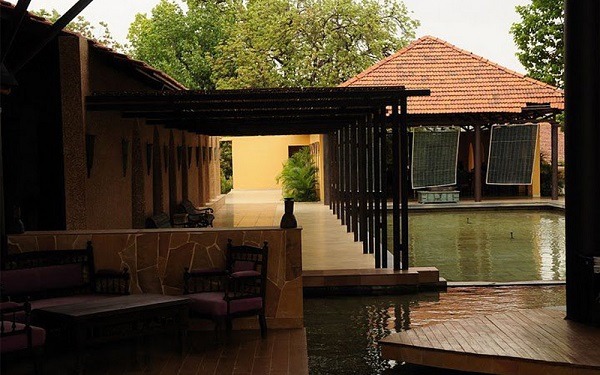
Celebration Van Vilas Kanha
Lodge de 33 cottages traditionnels à Kanha, à proximité du parc national. Une base pratique pour les safaris en réserve de tigres au Madhya Pradesh.
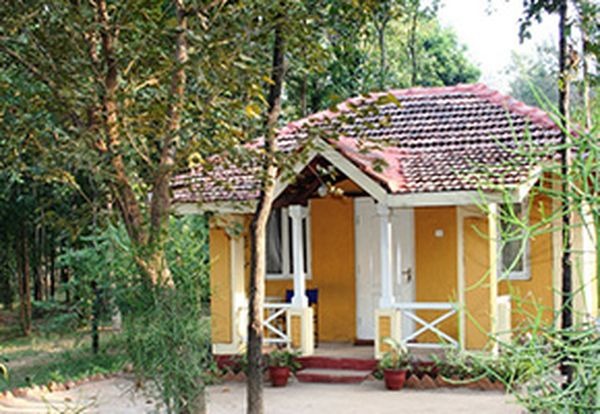
Wild Chalet Resort
Lodge en bordure du parc national de Kanha, sur la rivière Banjar : cottages avec hamacs, safaris, observation des oiseaux et cuisine d'Inde centrale.
Want to discover this destination?
Our local advisors design your tailor-made trip.