Umaid Bhawan Palace Museum
Umaid Bhawan Palace Museum
Built between 1929 and 1943 on Chittar Hill, Umaid Bhawan Palace houses a museum chronicling the history of Jodhpur's Rathore royal family, showcasing weapons, clocks, and vintage court photographs.
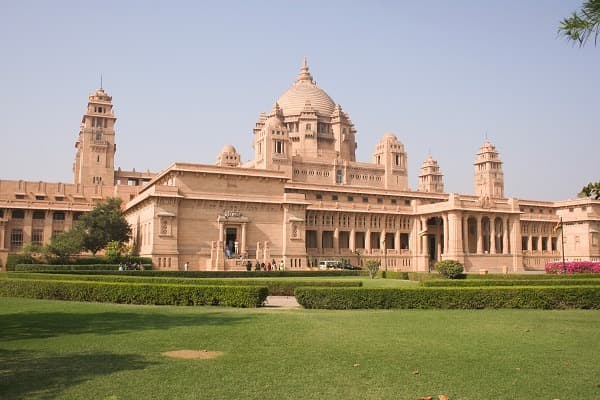
Umaid Bhawan Palace stands majestically on Chittar Hill, east of Jodhpur. Constructed between 1929 and 1943, this golden sandstone palace encompasses three distinct entities: a luxury hotel wing, the private residence of the Rathore royal family, and a museum open to the public. The museum offers a rare glimpse into the history of the Marwar royal house through collections of weapons, clocks, tableware, and vintage photographs.
Practical Information at a Glance
- Admission: paid entry to the museum (separate rates for Indian residents and foreign visitors)
- Suggested duration: 45 minutes to 1 hour 30 minutes
- Access: by auto-rickshaw or taxi from Jodhpur city center; the palace is located on Umaid Bhawan Palace Road, Chittar Hill
- Dress code: smart casual recommended
- Note: the hotel wing and royal residence are not accessible to non-resident visitors
What You'll See
The museum occupies one wing of the palace and features several thematic collections. Highlights include royal weapons, porcelain tableware services, an impressive collection of antique clocks, and hunting trophies. Black-and-white photographs chronicle the life of the court under Maharaja Umaid Singh and his successors. A selection of vintage vehicles once owned by the royal family are also displayed.
History and Context
Construction of the palace began in 1929 at the initiative of Maharaja Umaid Singh, partly to provide employment to the local population affected by famine. Approximately 3,000 workers labored on the project for fourteen years. The building blends Art Deco, classical Renaissance, and Rajasthani architectural styles. Designed by British architect Henry Vaughan Lanchester, it stands as one of the last grand palaces built in India before independence.
Highlights of Your Visit
The Clock Collection
Among the museum's most remarkable pieces, the collection of European and Indian clocks reflects the court's appreciation for objects of prestige. Some specimens date from the 19th century.
Royal Photographs
The archived photographs on display provide a documented glimpse of palace life in the 20th century: hunting expeditions, ceremonies, official portraits. A precious visual record of Marwar royalty.
Vintage Vehicles
A dedicated section showcases several collector automobiles formerly owned by the royal family. Rolls-Royces and other period models illustrate the splendor of the court.
Exterior Architecture
Even without access to the hotel, the palace's surroundings allow you to appreciate the Chittar sandstone façade, characteristic of its warm, golden hue. The gardens accessible from the museum entrance provide a carefully landscaped setting.
Photography Tips
The golden light of late afternoon enhances the natural tones of the sandstone. The main façade and gardens offer the best subjects from areas open to the public. Inside the museum, check photography restrictions at the entrance—some rooms prohibit it.
Location and Access
The palace sits on Chittar Hill, approximately 5 km from Jodhpur's city center. Auto-rickshaws and taxis easily reach it from Sardar Market and Clock Tower. The site is not easily wheelchair accessible due to interior museum staircases.
Nearby Attractions
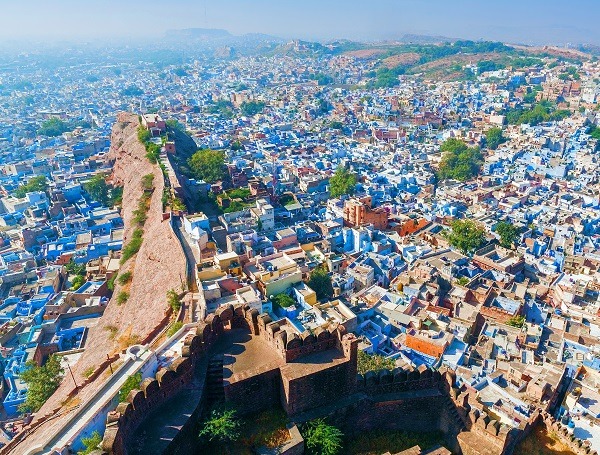
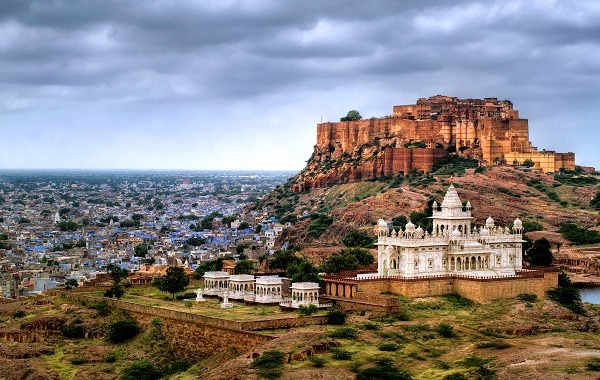
- Mehrangarh Fort — Jodhpur's iconic fortress, dominating the blue city from its rocky outcrop.
- Jaswant Thada — a striking white marble cenotaph from the 19th century, minutes from the fort.
- Sardar Market and Clock Tower — the vibrant heart of old Jodhpur, ideal for crafts and spices.
- Mandore Gardens — the ancient capital of Marwar with royal cenotaphs set in verdant surroundings.
Frequently asked questions
No. The hotel wing is reserved for guests only. Only the museum is accessible to the general public, with a separate entrance fee.
The dry season from October to March is most pleasant. Temperatures remain comfortable and clear skies enhance photography of the façade.
Yes. Both sites are less than 10 km apart. Start with Mehrangarh Fort in the morning, then head to Umaid Bhawan early afternoon.
Some rooms prohibit photography. Inquire at the museum entrance before beginning your visit.
Plan for 45 minutes to 1 hour 30 minutes depending on your interest in the collections. The accessible gardens merit a few extra minutes.
Access is limited due to interior museum staircases. The exterior grounds and gardens are more easily navigable.
Photos
Interested in this visit?
We can include it in your personalised itinerary.