Surya Mandir (Temple of the Sun at Gwalior)
Surya Mandir in Gwalior is a Hindu temple dedicated to Surya, the Sun god, adorned with mythological sculptures. Best combined with the city's ancient fort.
Surya Mandir is a Hindu temple dedicated to Surya, the Sun god, located in Gwalior, in the State of Madhya Pradesh. Built in the twentieth century, it stands out for its architecture inspired by the great solar temples of ancient India, notably Konark. The site attracts both pilgrims and visitors interested in contemporary Indian religious architecture.
Quick facts
- Admission: free for visitors
- Dress code: modest dress required, shoulders and knees covered
- Footwear: must be removed before entering the sacred grounds
- Suggested duration: 30 to 45 minutes
What you'll see
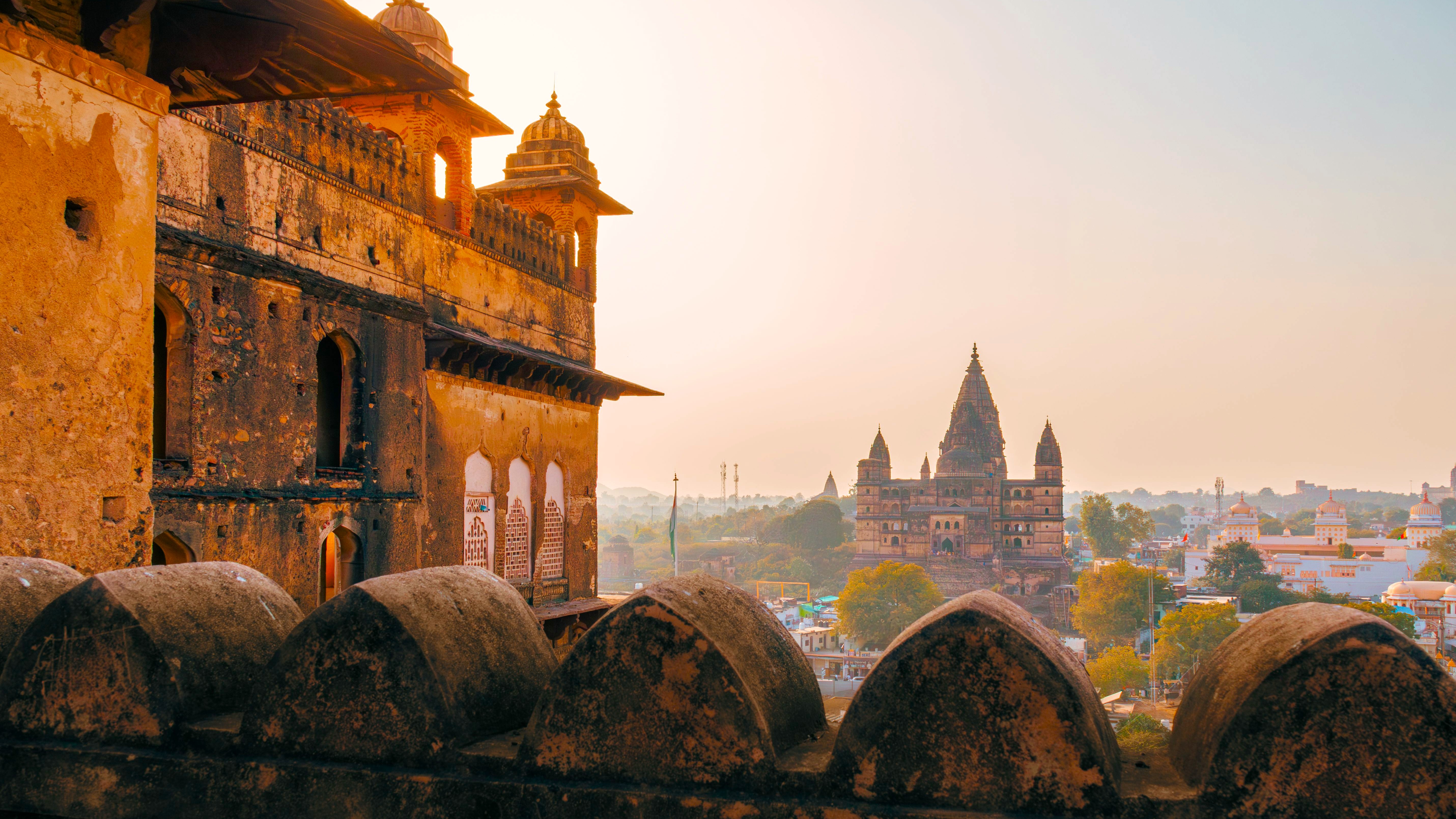
The temple features a façade adorned with sculptures depicting mythological scenes and solar motifs. The central tower (shikhara) rises above the main sanctuary, where a statue of Surya presides. The bas-reliefs on the outer walls draw from the classical iconography of temples dedicated to the sun god: horses pulling the celestial chariot, figures of devotees and secondary deities.
History and context
The worship of Surya is among the oldest in the Indian subcontinent. While great medieval solar temples such as Konark (Odisha) or Modhera (Gujarat) date from the tenth to thirteenth centuries, Surya Mandir in Gwalior is a more recent foundation that continues this architectural tradition. Gwalior itself is a city with a high density of religious and historical heritage, dominated by its ancient fort.
Highlights of your visit
The sculpted façade
The sandstone panels reproduce motifs characteristic of Hindu temple art: friezes of lotus flowers, figures of apsaras and representations of the solar chariot drawn by seven horses, a symbol of Surya.
The atmosphere during prayer hours
During puja hours — typically early morning and evening — the temple comes alive with chanting and incense. This is the most animated moment to witness the daily devotion of Gwalior's worshippers.
Etiquette and visiting rules
- Remove your shoes at the entrance to the grounds.
- Dress modestly: shoulders and knees covered for both men and women.
- Speak quietly inside the sanctuary.
- Ask permission before photographing devotees at prayer.
Photography tips
Morning light grazing the façade highlights the sculpted reliefs. In late afternoon, the stone takes on golden hues that underscore architectural details. Check on site whether photography is permitted inside the main sanctuary, as rules may vary.
Location and access
Surya Mandir is located in the city of Gwalior, accessible from Gwalior Junction railway station, well-connected to Delhi, Agra and Bhopal. The city also has an airport. By rickshaw or taxi from the city center, the journey is short. Gwalior Fort, a major monument in the region, is visible from several points around the city.
Nearby attractions
- Gwalior Fort — ancient fortress dominating the city, with Man Singh Palace and rock-cut Jain temples.
- Ghaus Muhammad Tomb — sixteenth-century Mughal mausoleum, a remarkable example of Indo-Islamic architecture in Gwalior.
- Jai Vilas Palace — residence of the Maharaja Scindia, partly converted into a museum, with its famous crystal chandeliers.
Frequently asked questions
The period from October to March offers pleasant weather in Gwalior. Summers (April-June) are very hot, and the monsoon (July-September) can make travel less comfortable.
Admission is free for all visitors.
Yes. Gwalior Fort is the major site in the city. One day is enough to visit the fort in the morning and spend an hour at Surya Mandir late morning or evening.
Photography of the exterior and sculptures is generally tolerated. Inside the sanctuary, check the signs posted on site before using your camera.
Wear clothing that covers shoulders and knees. Bring shoes that are easy to remove, as they must be taken off at the entrance to the grounds.
Interested in this visit?
We can include it in your personalised itinerary.