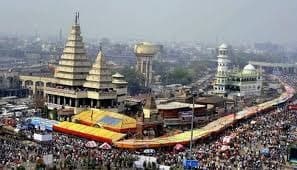
Patna
Patna
Patna, capital of Bihar and ancient Pataliputra, blends Mauryan ruins, sacred ghats on the Ganges and Sikh pilgrimage. The ideal starting point for Bihar's Buddhist circuit.
Patna, capital of Bihar, stretches across the southern bank of the Ganges. Once Pataliputra, it was one of the largest cities of the ancient world under the Mauryan Empire. Today a metropolis of over two million inhabitants, it mingles archaeological remains, bustling ghats and Sikh pilgrimage sites. It is the natural starting point for exploring Bihar, the cradle of Buddhism and Jainism.
Practical Information at a Glance
- Access: Jay Prakash Narayan international airport (PAT), Patna Junction railway station, connected to Delhi, Kolkata and Mumbai.
- Best time: October to March — manageable heat, no rainfall.
- Recommended duration: 1 to 2 days for the city; 3 to 5 days if combined with Bodh Gaya, Nalanda and Rajgir.
- Dress code: modest clothing recommended in places of worship (Takht Harmandir Sahib, mosques).
- Language: Hindi and Maithili; English is understood in hotels and travel agencies.
What to See
Patna concentrates several distinct sites. The Takht Harmandir Sahib (Patna Sahib) is one of the five sacred takhts of Sikhism — the birthplace of the tenth guru, Gobind Singh. The Golghar, a colonial granary with a dome-shaped structure built in 1786, offers panoramic views of the Ganges from its summit. The Patna Museum houses Mauryan and Gupta pieces, including the famous reliquary containing Buddha's ashes.
The Ganges ghats — Collectorate Ghat, Gandhi Ghat — come alive at dawn with ritual bathing and aarti ceremonies. The Kumhrar district contains the excavations of Pataliputra, with polished sandstone columns dating from the Mauryan period.
History and Context
Founded around the 5th century BCE under the name Pataliputra, the city became the capital of the Nanda, Mauryan and Gupta empires. Chandragupta Maurya and later Ashoka made it a political and cultural hub radiating across the subcontinent. The Greek traveler Megasthenes described it as one of the world's most populous cities. After the decline of the Guptas, the city lost importance before being reborn under the name Patna during the Mughal period.
Highlights of Your Visit
Takht Harmandir Sahib
This imposing gurdwara, rebuilt in the 19th century, marks the birthplace of Guru Gobind Singh (1666). Sikh pilgrims flock from across India. The interior houses relics of the guru. The atmosphere is contemplative and visitors are welcomed with open hearts.
Golghar
This colonial granary, standing 29 meters high, was built by the British after the 1770 famine. Its two external spiral staircases wind their way to the summit. The view over the Ganges and the city is worth the climb, especially in the late afternoon.
Patna Museum
Founded in 1917, it houses Mauryan and Gupta sculptures, ancient coins and an Egyptian mummy. The centerpiece remains the steatite reliquary containing ashes attributed to Buddha, discovered in Vaishali.
Kumhrar Archaeological Site
Excavations uncovered a hypostyle hall with 80 polished sandstone columns, a remnant of Pataliputra's palace. A small site museum displays unearthed objects. The location remains relatively untouched by foreign tourists.
Etiquette and Visiting Rules
- At Takht Harmandir Sahib: cover your head (scarves provided at the entrance), remove your shoes, refrain from tobacco and alcohol within the premises.
- On the ghats: respect ceremonies in progress, ask permission before photographing people at prayer.
- In mosques: modest dress, shoes removed, visits outside prayer times.
Photography Tips
- Golghar: golden light in late afternoon, views of the Ganges from the summit.
- Ghats: dawn recommended for ritual bathing and mist over the river.
- Takht Harmandir Sahib: illuminated façade in the evening; photography allowed in outdoor spaces.
- Avoid photographing funeral ceremonies on the ghats without explicit permission.
Location and Access
Patna is connected by air to Delhi, Mumbai and Kolkata. Patna Junction railway station serves major Indian cities. Within the city, rickshaws, auto-rickshaws and taxis are the common modes of transport. Golghar and the main ghats are accessible on foot from the center. Kumhrar is located a few kilometers east of the city center.
Patna is the logistics hub for the Buddhist circuit of Bihar: Bodh Gaya, Nalanda and Rajgir are accessible within a day.
Nearby
- Bodh Gaya — site of Buddha's Enlightenment, with the Mahabodhi Temple listed as a UNESCO World Heritage site.
- Nalanda — ruins of the great Buddhist university of the 5th century, a major archaeological site.
- Rajgir — former capital of the kingdom of Magadha, hot springs and sacred hills.
- Vaishali — Buddhist and Jain site, birthplace of Mahavira and location of Buddha's final sermon.
Frequently asked questions
From October to March, temperatures are pleasant and rainfall absent. Summer (April-June) is very hot; the monsoon (July-September) can cause flooding in some areas near the Ganges.
One day is enough for the main sites (Golghar, museum, Takht Harmandir Sahib, ghats). Plan two days if you wish to visit Kumhrar and explore the markets of old Patna.
Bodh Gaya is about 110 km from Patna. The drive takes two to three hours depending on traffic. A day trip is possible, but an overnight stay allows for a more leisurely visit.
Yes: head covering is mandatory (scarves are lent at the entrance), shoes removed before entering. Tobacco and alcohol are prohibited within the premises. Dress should be decent — shoulders and knees covered.
At Golghar and the ghats, photography is generally permitted. At the Patna Museum, restrictions may apply to certain collections — check at the entrance. Always ask permission before photographing people during ceremonies.
Yes. Patna is the natural hub for exploring Bodh Gaya, Nalanda, Rajgir and Vaishali. Most travelers organize their Buddhist circuit starting from Patna, with stays in Bodh Gaya for the more distant sites.
Photos
Want to discover this destination?
Our local advisors design your tailor-made trip.