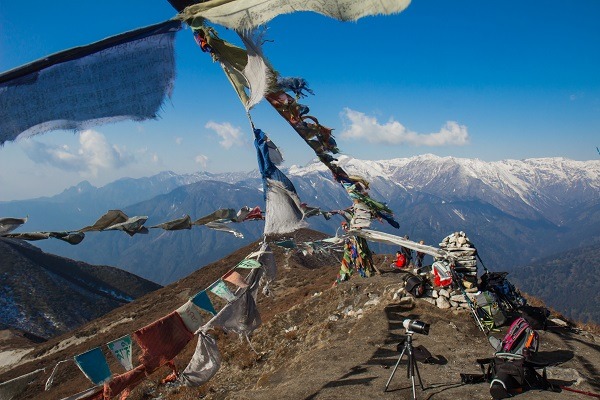
Pasighat
Founded in 1911 on the Siang River, Pasighat is the gateway to Arunachal Pradesh. Vibrant Adi culture, spectacular riverfront and direct access to remote tribal valleys in northeast India.
Pasighat is the oldest town in Arunachal Pradesh, founded by the British in 1911 on the banks of the Siang River — the Brahmaputra before it descends into the plains. As the gateway to the tribal valleys of the state's eastern reaches, it combines a spectacular riverfront, vibrant Adi culture, and direct access to still-pristine wilderness.
Essentials at a glance
- Permit required: foreign nationals must obtain an Inner Line Permit (ILP) before entering Arunachal Pradesh.
- Access: Pasighat airport (flights from Dibrugarh/Guwahati, seasonal); overland from Dibrugarh (Assam) via the Bogibeel Bridge.
- Best time to visit: October to April — heavy rainfall from June to September.
- Recommended duration: 1 to 2 days for the town and immediate surroundings.
What to see
The Siang riverfront is the heart of Pasighat. The river, still fast-flowing and untamed at this point, presents a panorama of wild banks and forested hills. The local market reflects Adi culture: hand-woven textiles, mountain produce and river fish. Mebo Road leads to Adi villages accessible as day trips.
History and context
Founded in 1911 as a colonial administrative post, Pasighat serves as the district headquarters of East Siang. It remains the commercial and cultural centre of the Adi community, one of Arunachal Pradesh's largest ethnic groups, known for their clan-based social structure and agricultural festivals such as Porag and Dobur Uie.
Highlights of your visit
The Siang riverfront
The Siang descends from Tibet with considerable force. From Pasighat's banks, you can observe rapids, sandbars and, in the dry season, Adi fishermen in dugout canoes. It's also a launch point for whitewater rafting on the Siang, organised by a handful of local operators.
The Adi market
The weekly market draws vendors from surrounding villages. Gale textiles (traditional belts), beaded jewellery, medicinal plants and rice alcohol apong are common sights. It's the most direct window into daily Adi life.
Kekar Monying
This natural site near Pasighat, at the confluence of two rivers, is a picnic and walking destination favoured by locals. Rocky banks and dense vegetation make it a pleasant stop.
Photography tips
Early morning light on the Siang is best: light mist on the water and hills in the background. The market is most animated in the morning. Always ask permission before photographing people — Adi residents are generally welcoming but appreciate courtesy.
Location and access
Pasighat lies in East Siang district, at the border between Arunachal Pradesh and Assam. Pasighat airport receives seasonal flights from Dibrugarh and Guwahati. By road, the town is accessible from Dibrugarh via the Bogibeel railway bridge, one of India's longest. Local transport (shared jeeps) connects Pasighat to neighbouring villages.
Nearby attractions
- Dibrugarh (Assam) — the closest tea-producing city and the usual transit point before Pasighat.
- Along / Aalo — an Adi town further upstream on the Siang, gateway to remote valleys in western East Siang.
- Mouling National Park — a protected forest reserve to the north, home to tigers and elephants, accessible from Pasighat.
Frequently asked questions
Yes. Foreign nationals must obtain an Inner Line Permit (ILP) to enter Arunachal Pradesh. The permit can be obtained online or at Arunachal Pradesh government offices in Delhi, Kolkata, Guwahati or Shillong.
October to April, when rainfall is absent and roads are passable. The monsoon (June-September) makes some roads impassable and the Siang rises dangerously.
Yes, the Siang is one of northeast India's most renowned rafting rivers. Local operators offer trips, mainly during the dry season. Check with local contacts or your travel agency.
By air via Dibrugarh then road, or direct seasonal flight to Pasighat. Overland from Guwahati, the journey is lengthy (over 400 km) and passes through Dibrugarh and the Bogibeel Bridge.
Pasighat is not a religious site with strict dress codes. Neat and respectful attire is sufficient, especially in Adi villages where it's advisable to avoid very light clothing.
Interested in this visit?
We can include it in your personalised itinerary.